

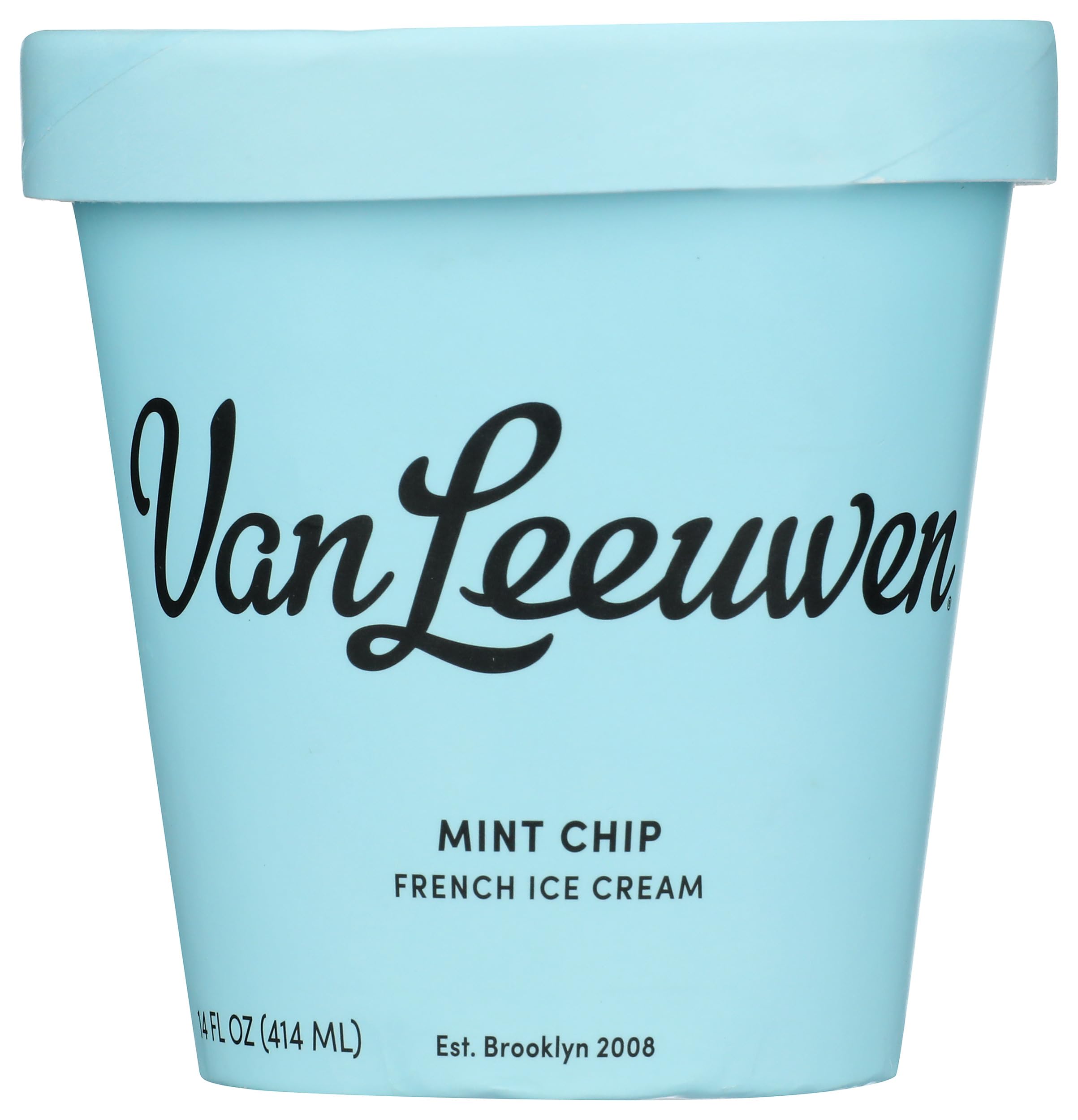



Mint Chocolate Chip Ice Cream
Summary
This ice cream is heavily processed, containing multiple additives and refined ingredients such as sugar and natural flavors, which detract from its nutritional quality. While it includes some beneficial ingredients like cream and coconut oil, the presence of peanut oil and a high level of added sugars contribute to its lower health rating. The overall processing level and use of several additives limit its score, despite some redeeming qualities.
At a glance
Key ingredients 13
CreamGood
Cream is a high-quality dairy product rich in fats and fat-soluble vitamins. It provides a creamy texture and flavor to ice cream. When sourced from grass-fed cows, it can offer additional omega-3 fatty acids.
Risks
High in saturated fats, which may contribute to heart disease if consumed in excess.
Benefits
Provides essential fat-soluble vitamins such as A, D, E, and K. Rich in healthy fats that can be beneficial when consumed in moderation.
Skim MilkNeutral
Skim milk is a low-fat dairy product that provides protein and calcium. It is often used to reduce the fat content in dairy products. However, it lacks the fat-soluble vitamins found in whole milk.
Benefits
Good source of protein and calcium, supporting bone health.
MilkGood
Milk is a nutrient-rich liquid that provides essential nutrients like calcium, protein, and vitamin D. It contributes to the creamy texture of ice cream. Whole milk offers a balance of fats and nutrients.
Risks
Lactose intolerance can cause digestive issues for some individuals.
Benefits
Excellent source of calcium and vitamin D, supporting bone health and muscle function.
SugarBad
Sugar is a refined carbohydrate that provides sweetness but lacks nutritional value. Excessive consumption can lead to health issues like obesity and diabetes. It is often used in processed foods for flavor enhancement.
Risks
High intake can increase the risk of obesity, type 2 diabetes, and dental cavities.
Coconut OilGood
Coconut oil is a plant-based fat rich in medium-chain triglycerides (MCTs). It is known for its potential health benefits, including supporting metabolism. It provides a creamy texture and flavor to foods.
Risks
High in saturated fats, which may contribute to heart disease if consumed in excess.
Benefits
Contains MCTs that may support energy metabolism and weight management.
Cocoa (Processed With Alkali)Neutral
Cocoa processed with alkali, also known as Dutch-processed cocoa, has a milder flavor and darker color. The alkalization process reduces acidity but may decrease some antioxidant content. It is commonly used in chocolate-flavored products.
Risks
May contain reduced levels of antioxidants compared to natural cocoa.
Benefits
Provides flavor and color to chocolate products.
Peanut OilBad
Peanut oil is a seed oil high in omega-6 fatty acids, which can promote inflammation when consumed in excess. It is often used for its mild flavor and high smoke point. The refining process can strip beneficial nutrients.
Risks
High omega-6 content may promote inflammation when consumed in excess.
Pasteurized Egg YolksGood
Egg yolks are rich in nutrients like choline, vitamins, and healthy fats. Pasteurization ensures safety by reducing the risk of salmonella. They contribute to the creamy texture and richness of ice cream.
Risks
High in cholesterol, which may be a concern for individuals with specific health conditions.
Benefits
Rich in choline and fat-soluble vitamins, supporting brain and liver health.
Natural Peppermint FlavorBad
Natural peppermint flavor is a concentrated extract used to impart mint flavor. It is often derived from peppermint oil but lacks the full spectrum of nutrients found in whole peppermint leaves. The term 'natural flavor' can be vague and encompass various processing methods.
Risks
May contain additives or solvents used in extraction, which can be a concern for sensitive individuals.
Benefits
Provides mint flavor without the need for artificial additives.
Natural FlavorBad
Natural flavor is a broad term that can include various extracts and compounds to enhance taste. It lacks transparency, making it difficult to assess its health impact. The processing methods and sources can vary widely.
Risks
Potential for hidden additives or allergens, and lack of transparency in sourcing.
Benefits
Enhances flavor without artificial additives.
Tara GumNeutral
Tara gum is a natural thickening agent derived from the seeds of the tara tree. It is used to improve texture and stability in food products. It is generally recognized as safe when consumed in typical amounts.
Benefits
Improves texture and stability in food products.
Guar GumNeutral
Guar gum is a natural thickener derived from guar beans. It is used to enhance texture and consistency in processed foods. It is generally considered safe but can cause digestive issues in large amounts.
Risks
May cause digestive discomfort if consumed in large quantities.
Benefits
Improves texture and consistency in food products.
Soy LecithinNeutral
Soy lecithin is an emulsifier derived from soybeans, used to stabilize and blend ingredients. It is commonly used in processed foods for its emulsifying properties. It is generally recognized as safe but may be a concern for those with soy allergies.
Risks
Potential allergen for individuals with soy allergies.
Benefits
Helps stabilize and blend ingredients in food products.
Processing
Ultra-Processed Foods
Get the full breakdown in the Scout app
Scan any product to see lab results, healthy alternatives, and your personalized analysis.
Download on theApp Store