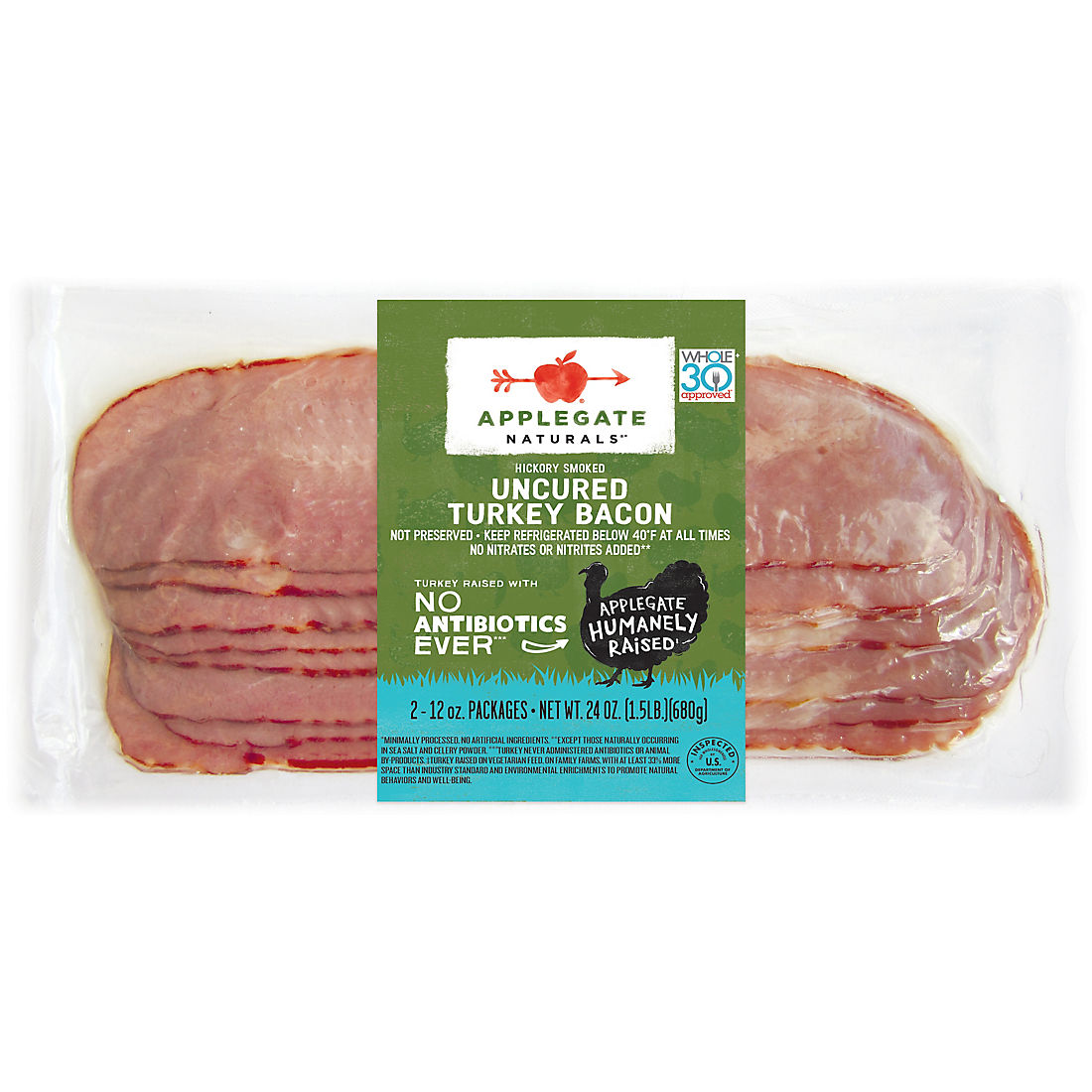
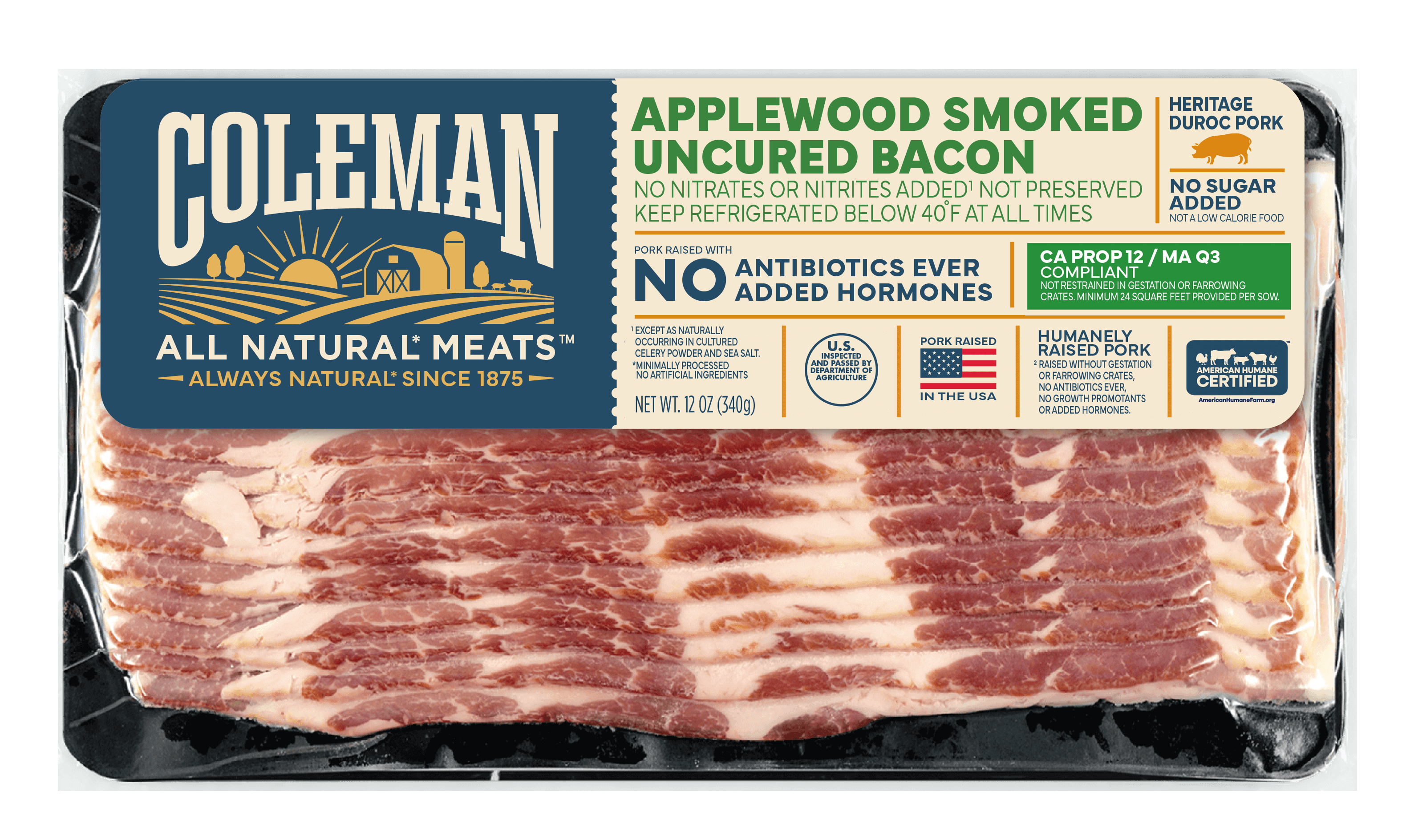
Uncured ham

At a glance
Summary
This uncured ham is a processed product with a relatively clean ingredient list, featuring pork as a high-quality protein source. However, it contains added sugars, which can contribute to increased calorie intake without nutritional benefits. The presence of natural preservatives and flavorings like citrus fruit extract is positive, but the processing level limits its overall health score. Its plastic packaging can shed microplastics into the food and lowers its score.
Key ingredients 9
PorkGood
Pork is a high-quality source of protein and essential nutrients. It provides a rich amino acid profile necessary for muscle maintenance and repair. The quality of pork can vary based on the animal's diet and living conditions.
Risks
Potential risks include high saturated fat content and possible contamination if not properly cooked.
Benefits
Rich in protein and essential vitamins such as B12, which supports energy metabolism and neurological function.
Sea SaltGood
Sea salt is a natural source of sodium and trace minerals. It is less processed than regular table salt and can enhance flavor. The mineral content can vary depending on the source.
Risks
Excessive consumption of sodium can lead to hypertension and cardiovascular issues.
Benefits
Provides essential electrolytes that are important for maintaining fluid balance and nerve function.
Natural Citrus Fruit ExtractGood
Natural citrus fruit extract is used for flavoring and as a natural preservative. It is derived from citrus fruits and contains beneficial compounds like flavonoids. It can add a refreshing taste and aroma to foods.
Benefits
Contains antioxidants that may support immune function and reduce oxidative stress.
WaterNeutral
Water is used as a processing aid and does not contribute significant nutritional value. It helps in maintaining moisture content in the product. There are no health concerns associated with water in this context.
See more about Water →VinegarNeutral
Vinegar is used as a preservative and flavor enhancer. It is a natural product derived from fermentation. The acidity can help in food preservation.
Benefits
May aid in digestion and provide antimicrobial properties.
Spice ExtractNeutral
Spice extract is used to enhance flavor and aroma in foods. It is derived from natural spices and can vary in composition. Provides flavor without adding calories or artificial additives.
Benefits
Enhances flavor and may provide some antioxidant properties depending on the spices used.
Organic Brown SugarBad
Organic brown sugar is a refined sugar that can contribute to increased calorie intake without providing essential nutrients. It is used for flavoring and preservation. Despite being organic, it still poses similar health risks as regular sugar.
Risks
Excessive consumption can lead to weight gain, insulin resistance, and dental issues.
Benefits
Provides a natural sweetness and can enhance the flavor profile of foods.
Cane SugarBad
Cane sugar is a refined sugar that adds sweetness but lacks nutritional benefits. It is commonly used in processed foods for flavor enhancement. Overconsumption is linked to various health issues.
Risks
High intake can increase the risk of obesity, type 2 diabetes, and heart disease.
Yeast ExtractBad
Concentrated glutamate source — MSG-adjacent flavor enhancer.
Risks
May contain naturally occurring glutamates, which some individuals are sensitive to.
Benefits
Provides B vitamins and enhances flavor without the need for artificial additives.
Processing
Processed Foods
Get the full breakdown in the Scout appTake Scout shopping
Scan any product to see lab results, healthy alternatives, and your personalized analysis.