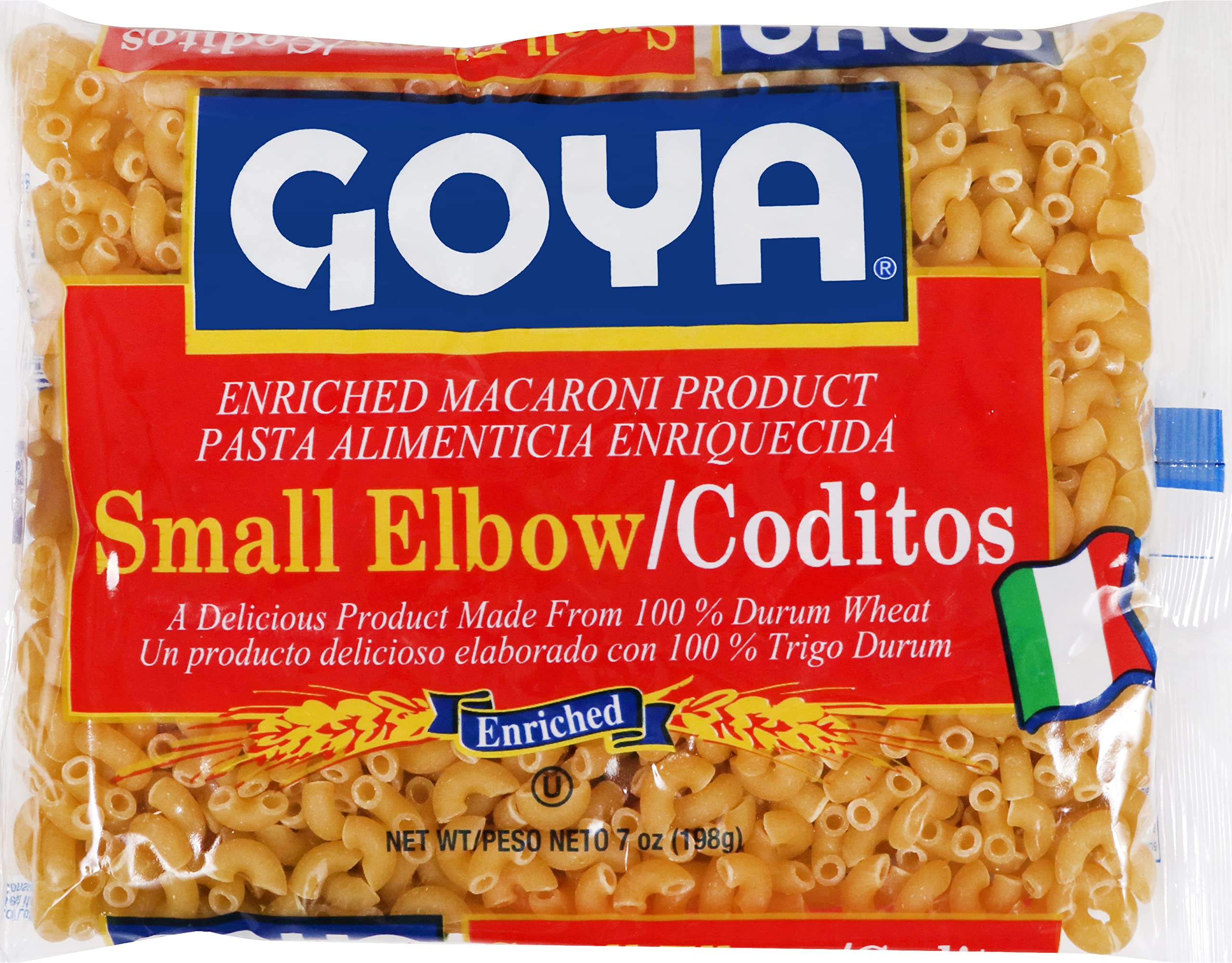
AN ENRICHED MACARONI PRODUCT, SMALL ELBOWS
At a glance
Summary
This product is made from semolina and durum flour, which are minimally processed ingredients, and it contains added vitamins and minerals for enrichment. The absence of harmful additives, artificial colors, or seed oils contributes to its high score. Its simple ingredient list and minimal processing make it a healthy choice within its category.
Key ingredients 7
SemolinaNeutral
Semolina is a coarse flour made from durum wheat, commonly used in pasta. It is minimally processed and retains some nutrients from the wheat. It provides a good source of carbohydrates but lacks significant micronutrient diversity.
Risks
Contains gluten, which may cause issues for individuals with celiac disease or gluten sensitivity.
Benefits
Provides a source of energy through carbohydrates and contains some protein and fiber.
Durum flourNeutral
Durum flour is made from durum wheat and is used to make pasta due to its high protein content. It is minimally processed and retains some nutrients. It is a staple ingredient in many traditional pasta recipes.
Risks
Contains gluten, which can be problematic for those with gluten intolerance or celiac disease.
Benefits
High in protein compared to other wheat flours, which can aid in muscle maintenance and repair.
NiacinNeutral
Niacin, also known as vitamin B3, is added to enriched flour to improve nutritional content. It is essential for energy metabolism and maintaining healthy skin and nerves. The enrichment process ensures adequate intake in populations consuming refined grains.
Benefits
Supports energy production and helps maintain healthy skin and nerve function.
Ferrous sulfateNeutral
Ferrous sulfate is an iron supplement added to enriched products to prevent iron deficiency. It is a common fortification in grain products to enhance iron intake. Iron is crucial for oxygen transport in the blood.
Risks
Excessive intake can lead to gastrointestinal issues and iron overload in susceptible individuals.
Benefits
Helps prevent iron deficiency anemia and supports oxygen transport in the body.
Thiamin mononitrateNeutral
Thiamin mononitrate is a form of vitamin B1 used to fortify foods. It plays a key role in energy metabolism and nerve function. Fortification helps prevent deficiencies in populations relying on refined grains.
Benefits
Essential for energy metabolism and proper nerve function.
RiboflavinNeutral
Riboflavin, or vitamin B2, is added to enriched products to support metabolic processes. It is important for energy production and cellular function. Fortification ensures adequate intake in diets lacking diverse food sources.
Benefits
Supports energy production and cellular function.
Folic acidNeutral
Folic acid is a synthetic form of folate used in food fortification to prevent neural tube defects. It is crucial for DNA synthesis and cell division. Fortification helps reduce the risk of birth defects in populations with low dietary folate intake.
Risks
Excessive intake may mask vitamin B12 deficiency symptoms.
Benefits
Essential for DNA synthesis and preventing neural tube defects during pregnancy.
Processing
Unprocessed or Minimally Processed Foods
Get the full breakdown in the Scout appTake Scout shopping
Scan any product to see lab results, healthy alternatives, and your personalized analysis.