
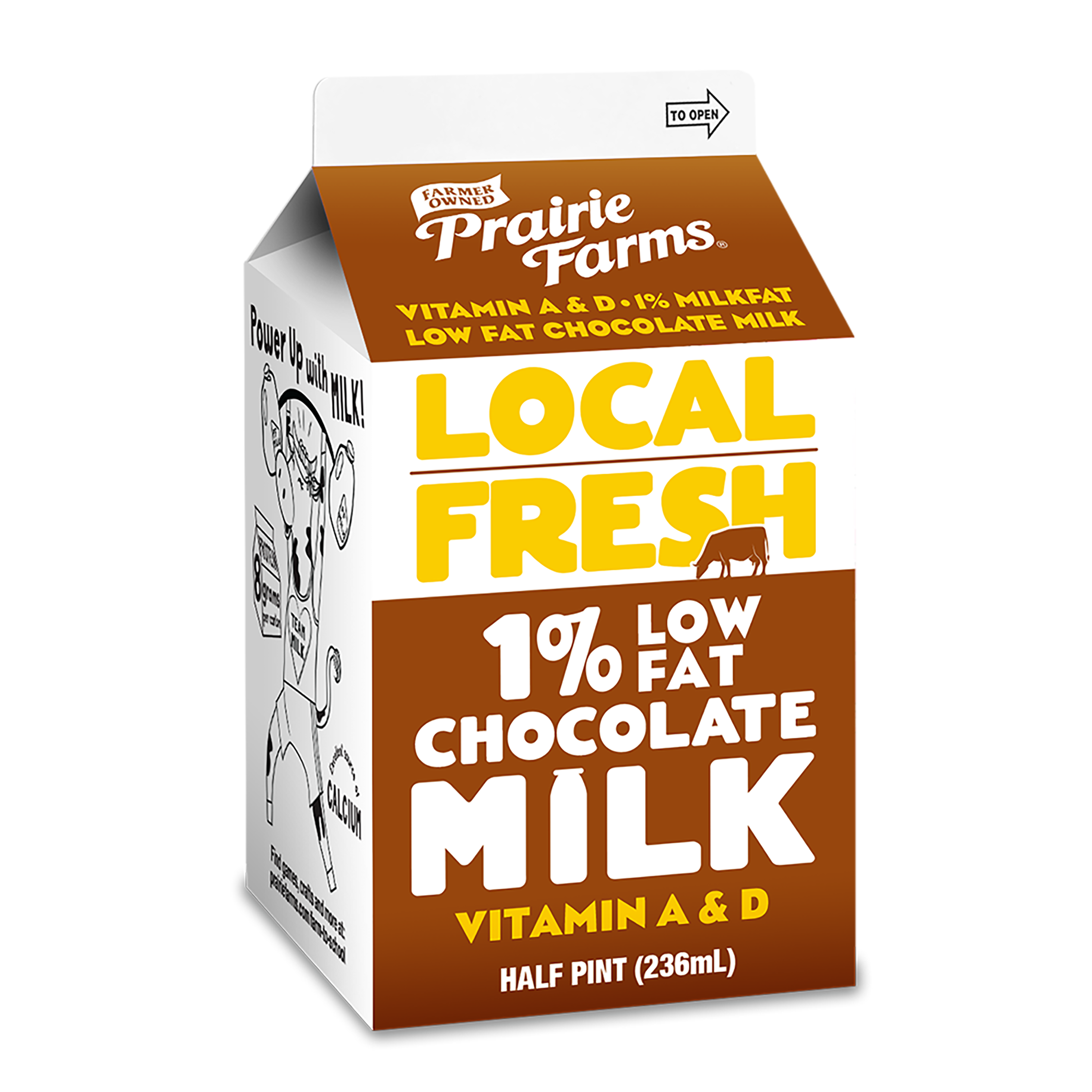

1% LOWFAT CHOCOLATE MILK
Summary
This chocolate milk is ultra-processed, which limits its potential health score. It contains added sugar, contributing to empty calories without nutritional benefits, and carrageenan, a controversial additive linked to potential digestive issues. Despite these concerns, it does provide some nutritional value from lowfat milk, offering protein and essential nutrients.
At a glance
Key ingredients 9
Lowfat milkGood
Lowfat milk is a source of essential nutrients like calcium and vitamin D. It provides protein and is lower in fat compared to whole milk, making it a healthier option for those monitoring fat intake. The pasteurization process ensures safety by eliminating harmful bacteria.
Risks
Some individuals may be lactose intolerant and experience digestive discomfort.
Benefits
Provides calcium and vitamin D, which are crucial for bone health. Contains protein that supports muscle maintenance and growth.
SugarBad
Refined sugar is added to enhance sweetness but offers no nutritional benefits. Excessive consumption can lead to health issues such as obesity and dental cavities. It is a source of empty calories, contributing to increased caloric intake without essential nutrients.
Risks
High intake of sugar is associated with increased risk of obesity, type 2 diabetes, and heart disease.
Cocoa processed with alkaliNeutral
Cocoa processed with alkali, also known as Dutch-processed cocoa, has a milder flavor and darker color. The alkalization process reduces acidity but may also decrease some antioxidant properties. It is used to provide chocolate flavor in products.
Benefits
Provides chocolate flavor and contains some antioxidants, though less than natural cocoa.
CornstarchNeutral
Cornstarch is used as a thickening agent in many food products. It is derived from corn and is highly processed, offering no significant nutritional value. It helps improve the texture and consistency of the product.
See more about Cornstarch →SaltNeutral
Salt is used to enhance flavor and preserve food. While necessary for bodily functions, excessive intake can lead to health issues such as hypertension. It is a common ingredient in processed foods to improve taste.
Risks
Excessive salt intake is linked to high blood pressure and cardiovascular diseases.
Benefits
Essential for maintaining fluid balance and nerve function in the body.
Natural flavorBad
Natural flavors are added to enhance taste but can be derived from various sources, making their exact composition unclear. They are highly processed and can contain multiple chemical compounds. The lack of transparency in their composition raises concerns about potential allergens.
Risks
Potential allergens and sensitivities due to undisclosed ingredients.
CarrageenanBad
Carrageenan is used as a thickener and stabilizer in many food products. It is derived from red seaweed but is highly processed, and some studies suggest it may cause digestive issues. Its use in food products is controversial due to potential inflammatory effects.
Risks
May cause digestive discomfort and inflammation in sensitive individuals.
Vitamin A palmitateNeutral
Vitamin A palmitate is a synthetic form of vitamin A added to fortify foods. It helps maintain healthy vision and immune function. While beneficial, excessive intake can lead to toxicity, especially in supplement form.
Risks
Excessive intake can lead to vitamin A toxicity, though this is rare from food sources alone.
Benefits
Supports vision and immune health by providing essential vitamin A.
Vitamin D3Neutral
Vitamin D3 is added to fortify foods and support bone health by aiding calcium absorption. It is essential for maintaining healthy bones and immune function. Fortification helps address common deficiencies in the general population.
Benefits
Supports bone health and immune function by enhancing calcium absorption.
Processing
Ultra-Processed Foods
Get the full breakdown in the Scout app
Scan any product to see lab results, healthy alternatives, and your personalized analysis.
Download on theApp Store