


At a glance
Summary
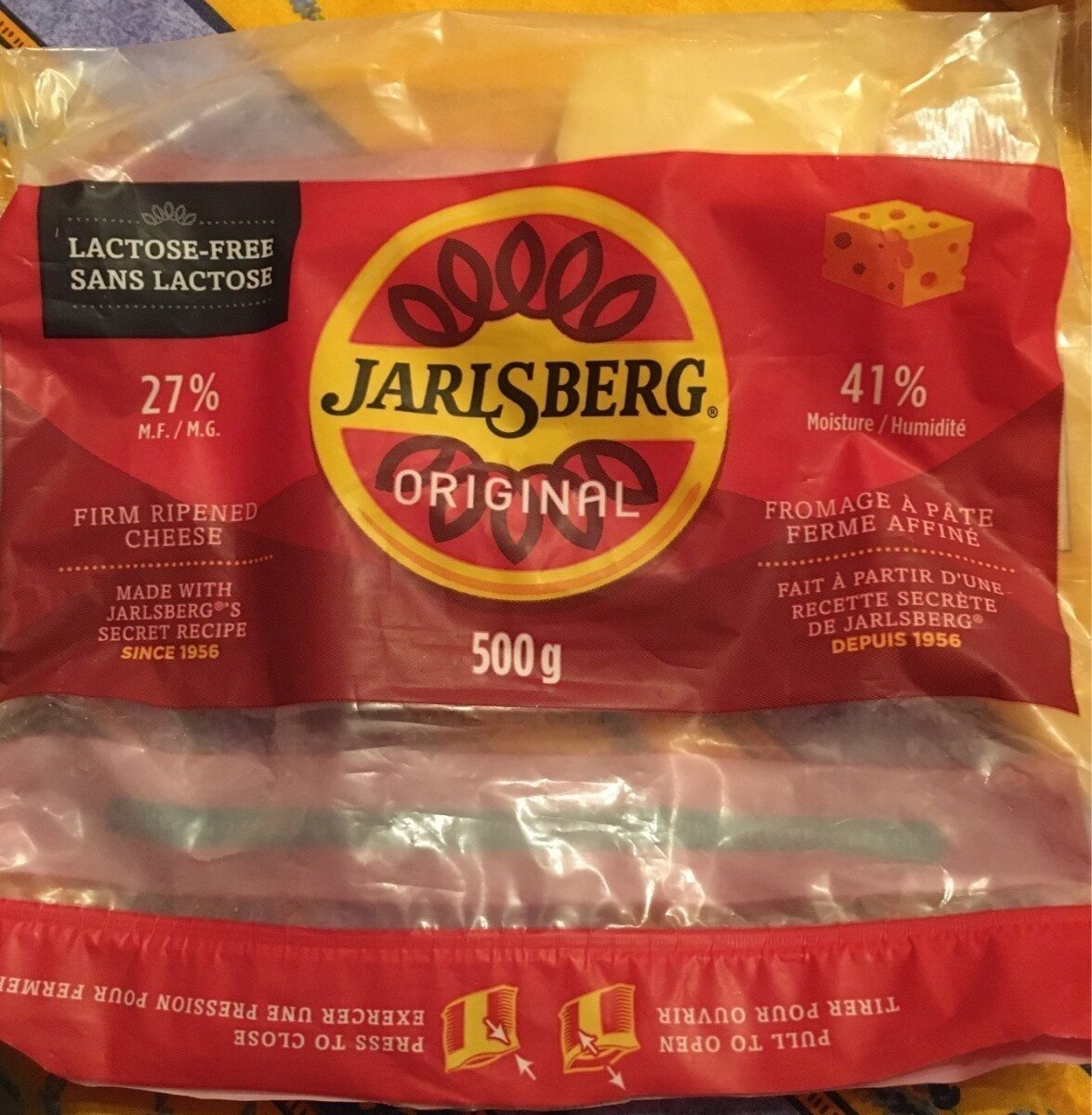
Jalsberg original is a processed cheese with a simple ingredient list consisting of pasteurized milk, bacterial culture, salt, and rennet. The absence of harmful additives or seed oils contributes positively to its score. However, as a processed food, its score is capped due to its processing level, despite the clean label.
Key ingredients 4
RennetGood
Beneficial ingredient — whole-food or functional value in this product class.
Benefits
Essential for the cheese-making process, contributing to the texture and structure of the final product.
Partially skimmed milkNeutral
Partially skimmed milk is a common base for cheese, providing essential proteins and fats. It is pasteurized to ensure safety by eliminating harmful bacteria. The nutritional profile is balanced but lacks the richness of whole milk.
Benefits
Provides a source of protein and calcium, essential for bone health and muscle function.
Bacterial cultureNeutral
Bacterial cultures are used in cheese production to ferment lactose and develop flavor. They are essential for the cheese-making process and contribute to the texture and taste. The cultures used are generally safe and beneficial for gut health.
Benefits
May support gut health by contributing beneficial bacteria to the digestive system.
SaltNeutral
Salt is used in cheese for flavor and as a preservative. It helps control moisture and inhibits the growth of undesirable bacteria. While necessary in cheese production, excessive consumption of salt can lead to health issues.
Risks
High sodium intake can contribute to hypertension and cardiovascular issues.
Benefits
Enhances flavor and acts as a natural preservative in cheese.
Processing
Processed Foods
Get the full breakdown in the Scout appTake Scout shopping
Scan any product to see lab results, healthy alternatives, and your personalized analysis.
Download on theApp Store GET IT ONGoogle Play