
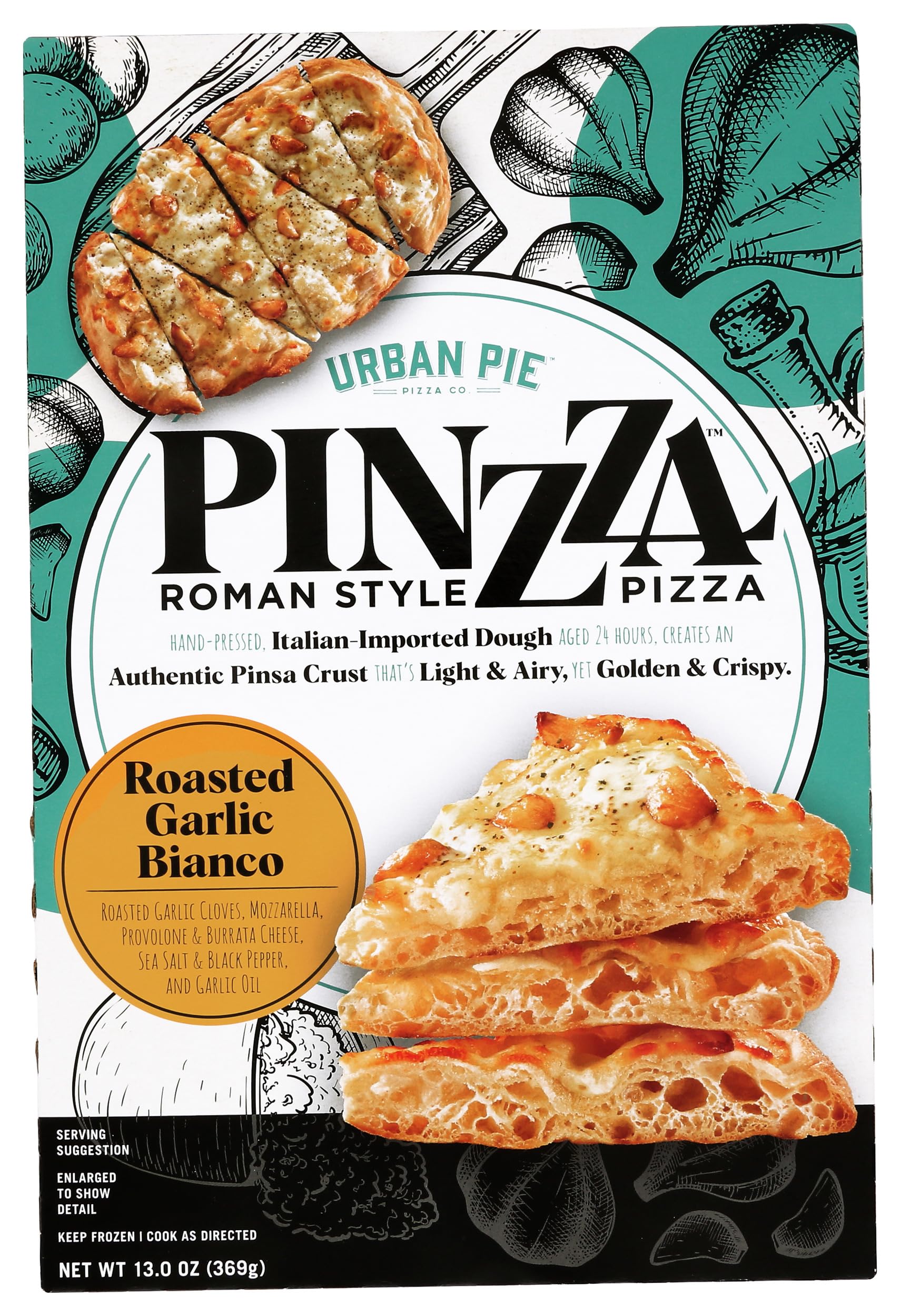


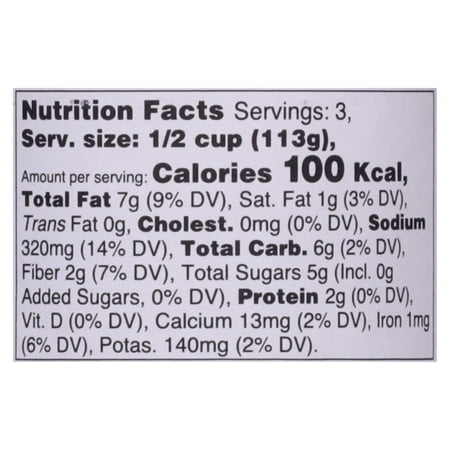
Roasted Garlic Bianco Pizza
Analysis updated July 2026 · How Scout scores
At a glance
Summary
The pizza contains high-quality ingredients like extra virgin olive oil and various cheeses, which contribute beneficial fats and proteins. However, the presence of soy flour, a processed ingredient with potential anti-nutrients, and the overall processing level limit its score. Despite the use of some fresh and minimally processed components, the product's processing level and inclusion of soy flour prevent it from achieving a higher rating.
Key ingredients 15
Extra virgin olive oilVery Good
High-quality monounsaturated fat with anti-inflammatory properties. Contains antioxidants that support heart health. Cold-pressed extraction preserves beneficial compounds.
Benefits
Rich in monounsaturated fats that support heart health and provide anti-inflammatory properties. Contains antioxidants like vitamin E and polyphenols that may reduce oxidative stress.
Stracciatella cheeseGood
Stracciatella cheese is a fresh cheese known for its creamy texture and rich flavor. It is a source of calcium and protein. Made from high-quality milk, it can enhance the taste and nutritional profile of dishes.
Risks
Contains lactose, which may be problematic for those with lactose intolerance.
Benefits
Provides calcium and protein, contributing to bone health and muscle maintenance.
Roasted garlicGood
Roasted garlic adds flavor and potential health benefits due to its antioxidant properties. It is less pungent than raw garlic and can enhance the taste of dishes. Garlic is known for its potential cardiovascular benefits.
Benefits
Contains antioxidants and may support heart health by reducing cholesterol levels.
Fresh mozzarellaGood
Fresh mozzarella is a soft cheese with a mild flavor, providing calcium and protein. It is less processed than aged cheeses and retains more moisture. Made from high-quality milk, it is a nutritious addition to meals.
Risks
Contains lactose, which may be problematic for those with lactose intolerance.
Benefits
Rich in calcium and protein, supporting bone health and muscle function.
Burrata cheeseGood
Burrata cheese is a fresh Italian cheese known for its creamy interior and rich taste. It is a good source of calcium and protein. Made from high-quality milk, it enhances the flavor and nutritional value of dishes.
Risks
Contains lactose, which may be problematic for those with lactose intolerance.
Benefits
Provides calcium and protein, contributing to bone health and muscle maintenance.
Provolone cheeseGood
Provolone cheese is a semi-hard cheese with a distinct flavor, providing calcium and protein. It is aged, which enhances its flavor profile. Made from high-quality milk, it is a nutritious addition to meals.
Risks
Contains lactose, which may be problematic for those with lactose intolerance.
Benefits
Rich in calcium and protein, supporting bone health and muscle function.
Sea saltGood
Sea salt is a minimally processed salt that contains trace minerals. It is used to enhance flavor and preserve food. Unlike refined salt, it retains natural minerals that can be beneficial.
Risks
Excessive consumption can lead to high blood pressure and cardiovascular issues.
Benefits
Provides essential minerals and enhances the flavor of food.
Black pepperGood
Black pepper is a spice that adds flavor and has potential health benefits due to its antioxidant properties. It can enhance the bioavailability of certain nutrients. Used in moderation, it is a beneficial addition to meals.
Benefits
Contains antioxidants and may improve nutrient absorption.
WaterNeutral
Water is a fundamental ingredient used to hydrate and bind ingredients. It is essential for the dough formation process. There are no health concerns associated with water in this context.
Benefits
Essential for hydration and necessary for the dough-making process.
Rice flourNeutral
Rice flour is a gluten-free alternative to wheat flour, often used to improve texture. It is less allergenic than wheat flour but lacks the fiber and nutrients found in whole grains. It is commonly used in gluten-free baking.
Risks
May contribute to a higher glycemic index if used in large amounts.
Benefits
Provides a gluten-free option for those with celiac disease or gluten intolerance.
SaltNeutral
Salt is used to enhance flavor and preserve food. It is a necessary mineral but should be consumed in moderation to avoid health issues. Excessive salt intake can lead to hypertension and cardiovascular problems.
Risks
High sodium intake can increase the risk of hypertension and cardiovascular diseases.
Benefits
Enhances flavor and acts as a preservative in food.
YeastNeutral
Yeast is a microorganism used to ferment and leaven dough. It contributes to the texture and flavor of baked goods. There are no significant health concerns associated with yeast in this context.
Benefits
Essential for fermentation, which helps dough rise and develop flavor.
Dough conditionerNeutral
Dough conditioners are additives used to improve dough handling and texture. They can include enzymes and emulsifiers to enhance the baking process. While generally safe, they are processed ingredients.
Risks
May contain additives that some individuals prefer to avoid.
Benefits
Improves dough consistency and texture, making it easier to work with.
Wheat flourBad
Refined grain flour stripped of bran and germ.
Risks
May cause blood sugar spikes and is a common allergen for those with gluten sensitivity or celiac disease.
Benefits
Provides energy and is a source of carbohydrates necessary for bodily functions.
Soy flourBad
Soy flour is a processed ingredient that can be used to increase protein content. It may contain anti-nutrients that affect mineral absorption. Soy is a common allergen and may affect hormone levels due to phytoestrogens.
Risks
May cause allergic reactions and potentially affect hormone levels due to phytoestrogens.
Benefits
Provides a plant-based source of protein and can enhance the nutritional profile of baked goods.
Processing
Processed Foods
Get the full breakdown in the Scout appTake Scout shopping
Scan any product to see lab results, healthy alternatives, and your personalized analysis.
Download on theApp Store GET IT ONGoogle Play