

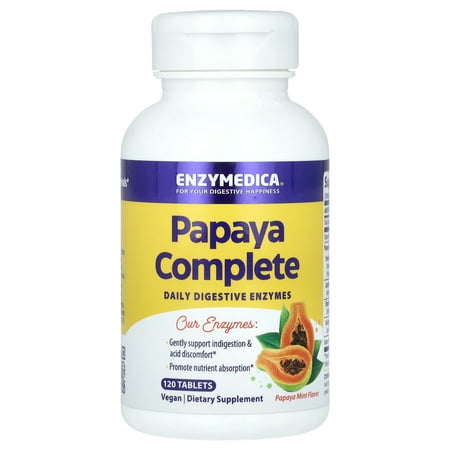


American Health Chewable Papaya Enzyme with Chlorophyll 250 Chwbls
Analysis updated July 2026 · How Scout scores
At a glance
Summary
This chewable enzyme supplement contains beneficial ingredients like papaya fruit, papain, and protease, which support digestion and nutrient absorption. However, it also includes sucrose and natural flavors, which are less desirable due to their potential health impacts and lack of transparency. The presence of multiple additives and sweeteners contributes to a moderate level of processing, affecting the overall score.
Key ingredients 15
Date PowderGood
Date powder is a natural sweetener that provides fiber, vitamins, and minerals. It is less processed than refined sugars and retains some of the nutritional benefits of whole dates. It can contribute to a more balanced glycemic response compared to refined sugars.
Risks
Excessive consumption can contribute to high sugar intake.
Benefits
Provides natural sweetness along with fiber and essential nutrients.
Papaya FruitGood
Papaya fruit is rich in vitamins, antioxidants, and enzymes that support digestion and overall health. It contains papain, which aids in protein digestion and has anti-inflammatory properties. Papaya is also a good source of vitamin C and beta-carotene.
Benefits
Supports digestive health and provides essential nutrients and antioxidants.
PapainGood
Papain is an enzyme extracted from papaya that aids in protein digestion. It is used for its digestive benefits and anti-inflammatory properties. Papain can help alleviate digestive discomfort and improve nutrient absorption.
Benefits
Supports digestion and has anti-inflammatory properties.
ProteaseGood
Protease is an enzyme that breaks down proteins into amino acids, aiding digestion. It is derived from Aspergillus oryzae and is used to improve protein absorption. Protease can help reduce bloating and improve digestive efficiency.
Benefits
Enhances protein digestion and nutrient absorption.
Alpha-AmylaseGood
Alpha-amylase is an enzyme that helps break down carbohydrates into sugars, facilitating digestion. It is beneficial for individuals with digestive issues related to carbohydrate metabolism. This enzyme supports efficient energy release from carbohydrates.
Benefits
Aids in carbohydrate digestion and energy release.
Calcium CarbonateNeutral
Standard formulation ingredient — neither beneficial nor harmful at typical use.
Risks
Excessive intake can lead to hypercalcemia and kidney stones.
Benefits
Supports bone health and may aid in maintaining proper pH balance in the stomach.
Vegetable Stearic AcidNeutral
Vegetable stearic acid is a fatty acid used as a binder and lubricant in supplements. It is generally considered safe and does not significantly impact health. It is derived from vegetable sources and is used to improve the consistency of tablets.
See more about Vegetable Stearic Acid →Vegetable Magnesium StearateNeutral
Magnesium stearate is used as a flow agent in supplement manufacturing to prevent ingredients from sticking to equipment. It is generally recognized as safe in small amounts. It does not contribute to nutritional value but aids in the manufacturing process.
See more about Vegetable Magnesium Stearate →Corn StarchNeutral
Corn starch is used as a thickening agent and filler in many food products. It is a refined carbohydrate that provides energy but lacks significant nutritional value. It is commonly used in processed foods to improve texture.
Benefits
Provides a source of energy but lacks other nutritional benefits.
Papaya FlavorNeutral
Papaya flavor is used to enhance the taste of the product. It is typically derived from natural sources but does not contribute to nutritional value. Flavorings are added to improve palatability.
Sodium Copper ChlorophyllinNeutral
Sodium copper chlorophyllin is a water-soluble derivative of chlorophyll used for its potential deodorizing properties. It is often used in supplements for its purported health benefits, though evidence is limited. It is considered safe for consumption.
Benefits
May have deodorizing properties and potential antioxidant effects.
SucroseBad
Sucrose is a simple sugar that can contribute to increased blood sugar levels and dental cavities. It is often used as a sweetener in processed foods, which can lead to overconsumption. Excessive intake of sucrose is linked to obesity and metabolic disorders.
Risks
High consumption of sucrose can lead to obesity, insulin resistance, and dental issues.
Benefits
Sucrose provides a quick source of energy but has no significant nutritional benefits.
FructoseBad
Processed additive flagged under Scout's ingredient doctrine.
Risks
High intake of fructose can lead to insulin resistance and liver issues.
Benefits
Provides sweetness and energy but should be consumed in moderation.
MaltodextrinBad
Processed additive flagged under Scout's ingredient doctrine.
Risks
May cause blood sugar spikes and is not suitable for diabetics in large amounts.
Benefits
Provides a quick source of energy but lacks other nutritional benefits.
Natural FlavorsBad
Natural flavors are used to enhance the taste of products but can be derived from a wide range of sources. They are often criticized for lack of transparency and potential allergenic properties. The term 'natural' does not guarantee safety or health benefits.
Risks
Potential allergenic properties and lack of transparency in sourcing.
Benefits
Improves taste but offers no nutritional benefits.
Processing
Processed Foods
Get the full breakdown in the Scout appTake Scout shopping
Scan any product to see lab results, healthy alternatives, and your personalized analysis.
Download on theApp Store GET IT ONGoogle PlayAmazon pricing & content
Amazon price as of . Product prices and availability are accurate as of the date/time indicated and are subject to change. Any price and availability information displayed on Amazon.com at the time of purchase will apply to the purchase of this product.
CERTAIN CONTENT THAT APPEARS ON THIS SITE COMES FROM AMAZON. THIS CONTENT IS PROVIDED “AS IS” AND IS SUBJECT TO CHANGE OR REMOVAL AT ANY TIME.