
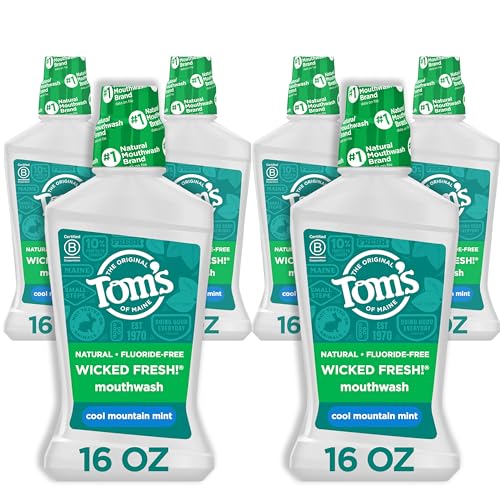

Tom s of Maine Wicked Fresh! Mouthwash Peppermint Wave 16 oz
Analysis updated August 2026 · How Scout scores
At a glance
Summary
This mouthwash contains beneficial ingredients such as xylitol, which helps reduce cavity-causing bacteria, and zinc citrate, which aids in reducing plaque formation. The inclusion of organic aloe vera and menthol further supports oral health by soothing gums and providing a fresh sensation. The product avoids harmful chemicals like SLS and fluoride, resulting in a clean formula with a low level of processing.
Key ingredients 11
XylitolVery Good
Xylitol is a natural sweetener that reduces cavity-causing bacteria in the mouth. It is highly beneficial for oral health and helps prevent tooth decay. It is a preferred ingredient in oral care products for its dental benefits.
Risks
There are no significant risks associated with xylitol in oral care products.
Benefits
Xylitol helps reduce the risk of cavities by inhibiting the growth of harmful bacteria.
GlycerinGood
Beneficial ingredient — whole-food or functional value in this product class.
Risks
There are no significant risks associated with glycerin in oral care products.
Benefits
Glycerin helps to keep the mouthwash moist and pleasant to use.
Organic Aloe Barbadensis Leaf JuiceGood
Aloe vera is known for its soothing properties and can help reduce inflammation in oral tissues. It is a natural ingredient that supports oral health. It is beneficial for soothing gums and oral tissues.
Risks
There are minimal risks associated with aloe vera in oral care products.
Benefits
Aloe vera provides soothing and anti-inflammatory benefits to oral tissues.
Zinc CitrateGood
Zinc citrate is used for its antimicrobial properties and helps reduce plaque formation. It is beneficial for maintaining oral hygiene and fresh breath. It is a positive addition to oral care products for its health benefits.
Risks
There are minimal risks associated with zinc citrate in oral care products.
Benefits
Zinc citrate helps reduce plaque and supports oral hygiene.
WaterNeutral
Water is a common solvent used in many products. It helps dissolve other ingredients and provides a liquid base. It does not have any direct oral health benefits or risks.
Risks
There are no known risks associated with water in oral care products.
Benefits
Water helps to dissolve and evenly distribute other ingredients in the mouthwash.
SorbitolNeutral
Sorbitol is a sugar alcohol used as a sweetener and humectant. It provides a sweet taste without promoting tooth decay. It is generally considered safe in oral care products.
Risks
Excessive use of sorbitol can cause digestive issues, but this is not a concern in mouthwash.
Benefits
Sorbitol adds sweetness and helps maintain moisture in the mouthwash.
PropanediolNeutral
Propanediol is used as a solvent and moisturizer in oral care products. It helps to dissolve other ingredients and maintain product consistency. It is generally considered safe for use in mouthwash.
Risks
There are no significant risks associated with propanediol in oral care products.
Benefits
Propanediol helps to maintain the consistency and effectiveness of the mouthwash.
Benzoic AcidNeutral
Benzoic acid is used as a preservative to prevent microbial growth in the product. It helps maintain the shelf life and safety of the mouthwash. It is generally recognized as safe for use in oral care products.
Risks
There are no significant risks associated with benzoic acid in oral care products.
Benefits
Benzoic acid helps preserve the mouthwash and prevent spoilage.
MentholNeutral
Standard formulation ingredient — neither beneficial nor harmful at typical use.
Risks
There are no significant risks associated with menthol in oral care products.
Benefits
Menthol freshens breath and provides a pleasant cooling sensation.
Sodium HydroxideNeutral
Sodium hydroxide is used to adjust the pH of the mouthwash. It ensures the product is not too acidic or basic, maintaining safety and effectiveness. It is generally considered safe in small amounts for oral care products.
Risks
There are no significant risks associated with sodium hydroxide in oral care products.
Benefits
Sodium hydroxide helps maintain the appropriate pH balance of the mouthwash.
Natural FlavorBad
Umbrella term that can hide dozens of undisclosed synthetic constituents.
Risks
There are no significant risks associated with natural flavors in oral care products.
Benefits
Natural flavors improve the taste and user experience of the mouthwash.
Processing
Processed Culinary Ingredients
Get the full breakdown in the Scout appTake Scout shopping
Scan any product to see lab results, healthy alternatives, and your personalized analysis.
Download on theApp Store GET IT ONGoogle Play