

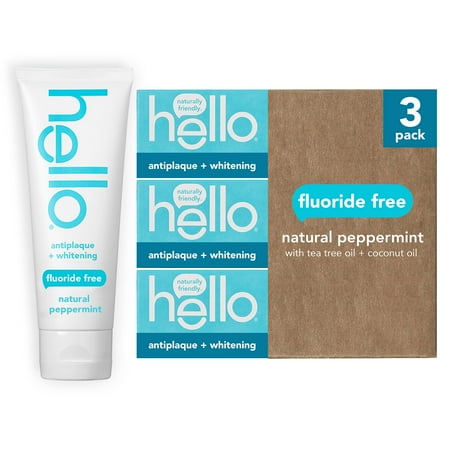

Hello Natural Sweet Mint Fluoride Free Toothpaste, 4.2 oz
Analysis updated August 2026 · How Scout scores
At a glance
Summary
This toothpaste features beneficial ingredients like aloe vera and xylitol, which are known for their soothing and cavity-reducing properties, respectively. The absence of fluoride and other harmful chemicals such as SLS and triclosan contributes to its favorable rating. However, the inclusion of titanium dioxide, which is a potential concern for some consumers, slightly impacts the overall score.
Key ingredients 14
XylitolVery Good
Xylitol is a natural sweetener that helps reduce cavity-causing bacteria in the mouth. It is highly beneficial in oral care products for its anti-cariogenic properties.
Risks
There are no significant risks associated with Xylitol in oral care.
Benefits
Xylitol helps prevent tooth decay by inhibiting the growth of harmful bacteria, making it an excellent ingredient for oral health.
Aloe Barbadensis Gel (Aloe Vera)Good
Aloe Vera is known for its soothing properties, which can help calm irritated oral tissues. It is a natural ingredient that is often used for its anti-inflammatory effects.
Risks
There are minimal risks associated with Aloe Vera when used in oral care products.
Benefits
Aloe Vera can help soothe and heal oral tissues, making it beneficial for maintaining oral health.
Glycerin (Plant)Good
Beneficial ingredient — whole-food or functional value in this product class.
Risks
There are minimal risks associated with plant-based Glycerin in oral care.
Benefits
Glycerin helps maintain the moisture and texture of the toothpaste, ensuring a pleasant user experience.
Calcium GlycerophosphateNeutral
Calcium Glycerophosphate is used to help remineralize teeth and protect against cavities. It is considered a safe ingredient in oral care products.
Risks
There are no significant risks associated with Calcium Glycerophosphate in oral care.
Benefits
It can aid in the remineralization of enamel and help prevent tooth decay.
ErythritolNeutral
Erythritol is a sugar alcohol used as a sweetener in oral care products. It is non-cariogenic, meaning it does not contribute to tooth decay.
Risks
Erythritol is generally safe, but excessive consumption can cause digestive discomfort.
Benefits
It can help reduce the risk of cavities by not feeding harmful oral bacteria.
Hydrated SilicaNeutral
Hydrated Silica is used as a mild abrasive to help remove plaque and surface stains from teeth. It is commonly found in toothpaste formulations.
Risks
Excessive use of abrasive agents can potentially wear down enamel over time.
Benefits
It effectively aids in cleaning teeth and removing surface stains without being overly abrasive.
Sodium Lauroyl GlutamateNeutral
Sodium Lauroyl Glutamate is a mild surfactant used to help clean teeth and create foam. It is derived from natural sources and is gentle on the skin.
Risks
There are minimal risks associated with Sodium Lauroyl Glutamate in oral care.
Benefits
It helps in the effective cleaning of teeth by aiding in the removal of debris and plaque.
SorbitolNeutral
Sorbitol is a sugar alcohol used as a sweetener and humectant in toothpaste. It helps maintain moisture and improve texture.
Risks
Excessive consumption can lead to digestive discomfort, but it is generally safe in toothpaste.
Benefits
It helps keep the toothpaste moist and palatable without contributing to tooth decay.
Water/Aqua/EauNeutral
Water is used as a solvent in toothpaste to dissolve other ingredients and provide the desired consistency. It is an essential component of the formulation.
Risks
There are no risks associated with water in oral care products.
Benefits
It acts as a carrier for other ingredients, ensuring they are evenly distributed throughout the product.
Xanthan GumNeutral
Xanthan Gum is used as a thickening agent to stabilize the toothpaste and maintain its texture. It is derived from natural sources.
Risks
There are minimal risks associated with Xanthan Gum in oral care products.
Benefits
It helps maintain the consistency and stability of the toothpaste, ensuring a smooth application.
Stevia Rebaudiana Leaf ExtractNeutral
Stevia is a natural sweetener derived from the leaves of the Stevia plant. It is used to enhance the taste of toothpaste without adding sugar.
Risks
There are minimal risks associated with Stevia in oral care products.
Benefits
It provides a sweet taste without contributing to tooth decay, making it a suitable alternative to sugar.
Natural FlavorBad
Umbrella term that can hide dozens of undisclosed synthetic constituents.
Risks
There are minimal risks associated with natural flavors in oral care products.
Benefits
They improve the taste of the toothpaste, encouraging regular use.
Potassium SorbateBad
Synthetic preservative — flagged in daily-use products.
Risks
In rare cases, it may cause mild irritation in sensitive individuals.
Benefits
It helps extend the shelf life of the product by preventing microbial growth.
Titanium DioxideVery Bad
Heavily flagged ingredient class under Scout's doctrine.
Risks
There are concerns about its safety in high concentrations, but it is generally considered safe in toothpaste.
Benefits
It enhances the visual appeal of the toothpaste by providing a clean, white color.
Get the full breakdown in the Scout appTake Scout shopping
Scan any product to see lab results, healthy alternatives, and your personalized analysis.
Download on theApp Store GET IT ONGoogle PlayAmazon pricing & content
Amazon price as of . Product prices and availability are accurate as of the date/time indicated and are subject to change. Any price and availability information displayed on Amazon.com at the time of purchase will apply to the purchase of this product.
CERTAIN CONTENT THAT APPEARS ON THIS SITE COMES FROM AMAZON. THIS CONTENT IS PROVIDED “AS IS” AND IS SUBJECT TO CHANGE OR REMOVAL AT ANY TIME.