

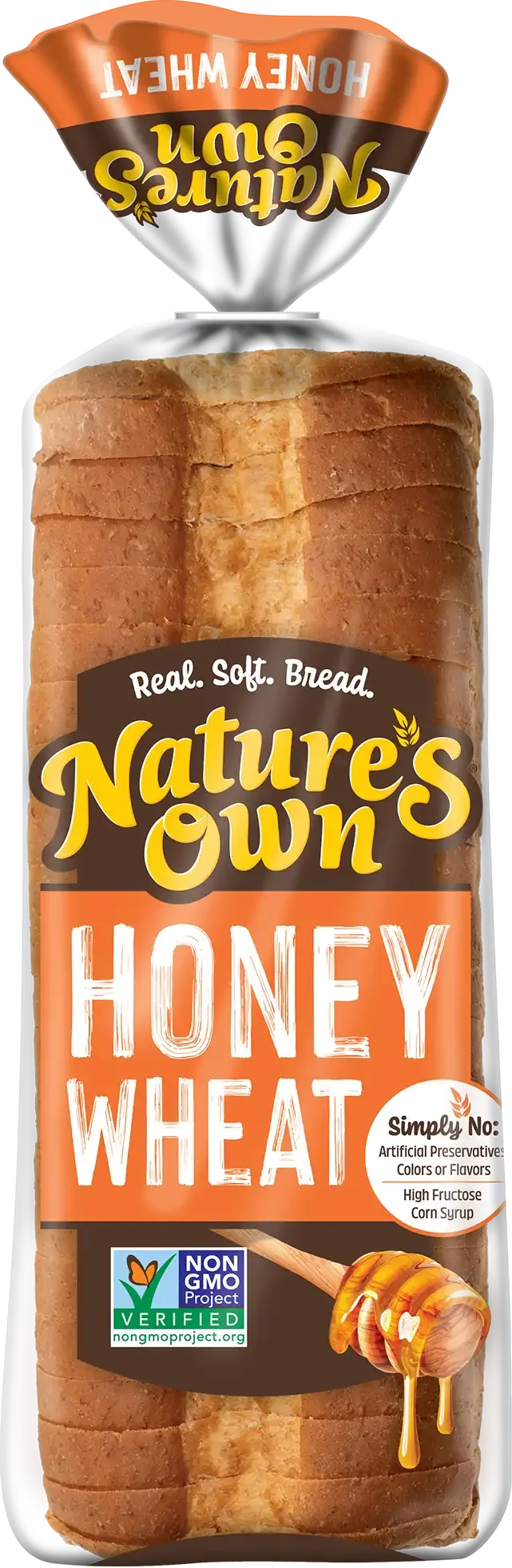
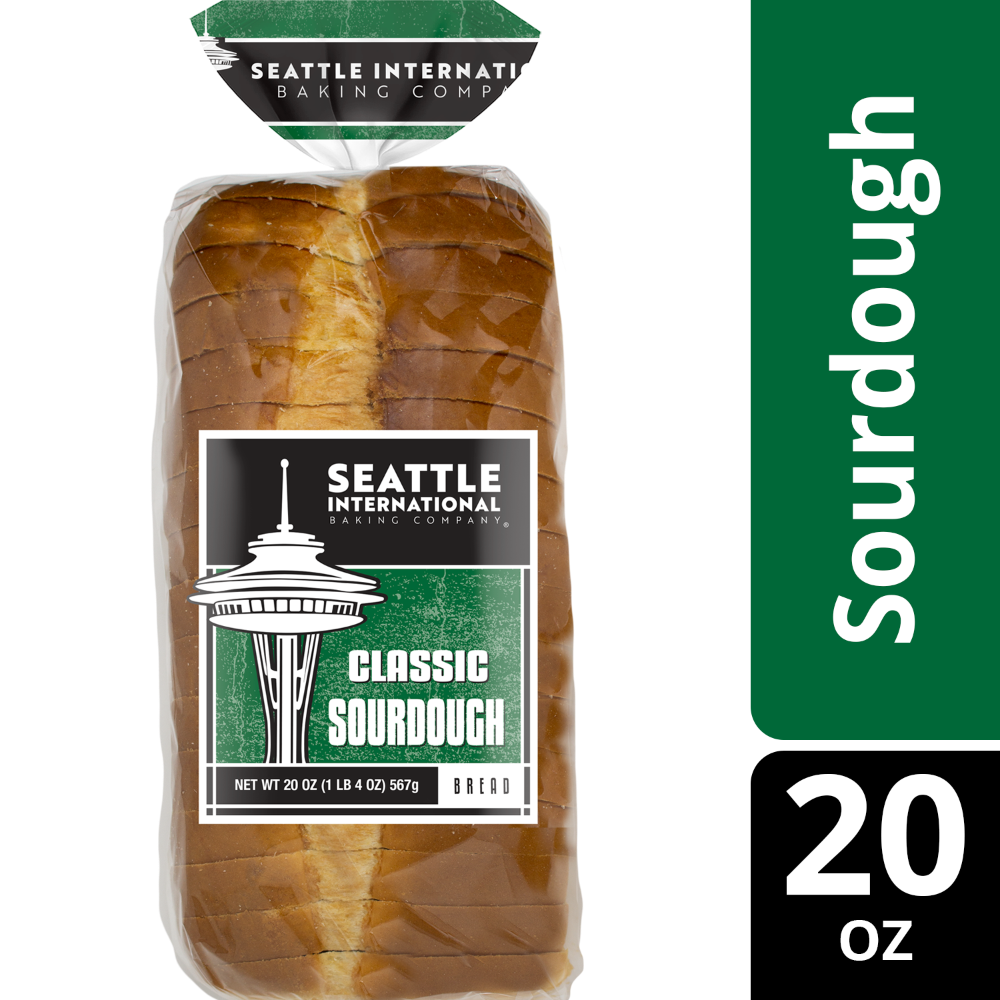


SUNFLOWER & HONEY HOME-MAID BREAD
Summary
This bread contains enriched wheat flour as a primary ingredient, which is a refined grain, and includes added sugars such as honey and molasses. While it features beneficial ingredients like cracked wheat and sunflower seeds, the presence of soy lecithin as an emulsifier and its ultra-processed nature limit its overall healthfulness. The product's processing level and inclusion of refined ingredients contribute to a moderate score.
At a glance
Key ingredients 14
Enriched wheat flourNeutral
Enriched wheat flour is a refined grain product that has been fortified with vitamins and minerals. It lacks the fiber and nutrients found in whole grains. The enrichment process adds back some nutrients lost during processing, but it is still less nutritious than whole grain flour.
Risks
May contribute to blood sugar spikes and lacks the fiber of whole grains.
Benefits
Provides essential vitamins and minerals like iron and B vitamins due to fortification.
WaterNeutral
Water is a fundamental ingredient used to hydrate and bind ingredients in bread. It is essential for the dough formation and yeast activation. Water itself does not provide any nutritional value but is crucial for the baking process.
See more about Water →Cracked wheatGood
Cracked wheat is a whole grain that retains the bran and germ, providing fiber and nutrients. It contributes to the bread's texture and nutritional profile. Whole grains like cracked wheat are associated with various health benefits, including improved digestion.
Benefits
Rich in dietary fiber, which supports digestive health and may help regulate blood sugar levels.
Sunflower seedsGood
Sunflower seeds are a nutrient-dense food rich in healthy fats, protein, and vitamins. They add texture and nutritional value to the bread. Sunflower seeds are known for their high vitamin E content, which acts as an antioxidant.
Benefits
Provide healthy fats and are a good source of vitamin E, which supports skin health and acts as an antioxidant.
HoneyNeutral
Honey is a natural sweetener that adds flavor and moisture to the bread. It is less processed than refined sugar and contains trace amounts of vitamins and minerals. However, it is still a source of sugar and should be consumed in moderation.
Risks
Excessive consumption may contribute to increased blood sugar levels.
Benefits
Contains antioxidants and has a lower glycemic index than refined sugar.
MolassesNeutral
Molasses is a byproduct of sugar refining that adds a rich flavor and color to the bread. It contains some vitamins and minerals, such as iron and calcium. Despite its nutrient content, it is still a form of sugar and should be used sparingly.
Risks
High sugar content may contribute to blood sugar spikes if consumed in excess.
Benefits
Provides trace minerals like iron and calcium, which are beneficial for health.
SugarBad
Sugar is a refined sweetener that contributes to the bread's flavor and texture. It provides empty calories with no essential nutrients. Excessive sugar consumption is linked to various health issues, including obesity and diabetes.
Risks
High intake can lead to weight gain, increased risk of diabetes, and dental issues.
Wheat glutenNeutral
Wheat gluten is a protein that provides elasticity and structure to bread. It is essential for the texture of many baked goods. While it is beneficial for bread quality, it can cause issues for those with gluten intolerance or celiac disease.
Risks
May cause adverse reactions in individuals with gluten intolerance or celiac disease.
Benefits
Enhances the texture and structure of bread, making it more palatable.
SaltNeutral
Salt is used to enhance flavor and control yeast activity in bread. It is a necessary component for taste and texture. However, excessive salt intake can lead to health issues such as hypertension.
Risks
High sodium intake can contribute to hypertension and cardiovascular disease.
Benefits
Enhances flavor and helps control yeast fermentation in bread.
Cultured wheat flourNeutral
Cultured wheat flour is treated with bacterial cultures to improve shelf life and flavor. It is a natural preservative alternative. While it does not provide significant nutritional benefits, it helps maintain product quality.
Benefits
Acts as a natural preservative, extending the shelf life of the product.
Potato flakesNeutral
Potato flakes are dehydrated potatoes used to add moisture and texture to bread. They are a source of carbohydrates and provide a unique flavor. While they contribute to the bread's texture, they do not offer significant nutritional benefits.
Benefits
Adds moisture and texture to the bread, enhancing its palatability.
YeastNeutral
Yeast is a microorganism used to ferment and leaven bread, creating a light and airy texture. It is essential for the bread-making process. Yeast itself does not provide significant nutritional benefits but is crucial for bread quality.
Benefits
Essential for fermentation and leavening, contributing to the bread's texture.
Grain vinegarNeutral
Grain vinegar is used to enhance flavor and act as a natural preservative in bread. It provides acidity that can improve the bread's shelf life. While it contributes to flavor, it does not offer significant nutritional benefits.
Benefits
Enhances flavor and acts as a natural preservative, extending shelf life.
Soy lecithinBad
Soy lecithin is an emulsifier used to improve texture and extend shelf life in processed foods. It is derived from soybeans and may contain traces of allergens. While it helps maintain product quality, it is a processed additive with minimal nutritional value.
Risks
May cause allergic reactions in individuals sensitive to soy.
Benefits
Improves texture and shelf life of the product.
Processing
Ultra-Processed Foods
Get the full breakdown in the Scout app
Scan any product to see lab results, healthy alternatives, and your personalized analysis.
Download on theApp Store