

Kind
Summary
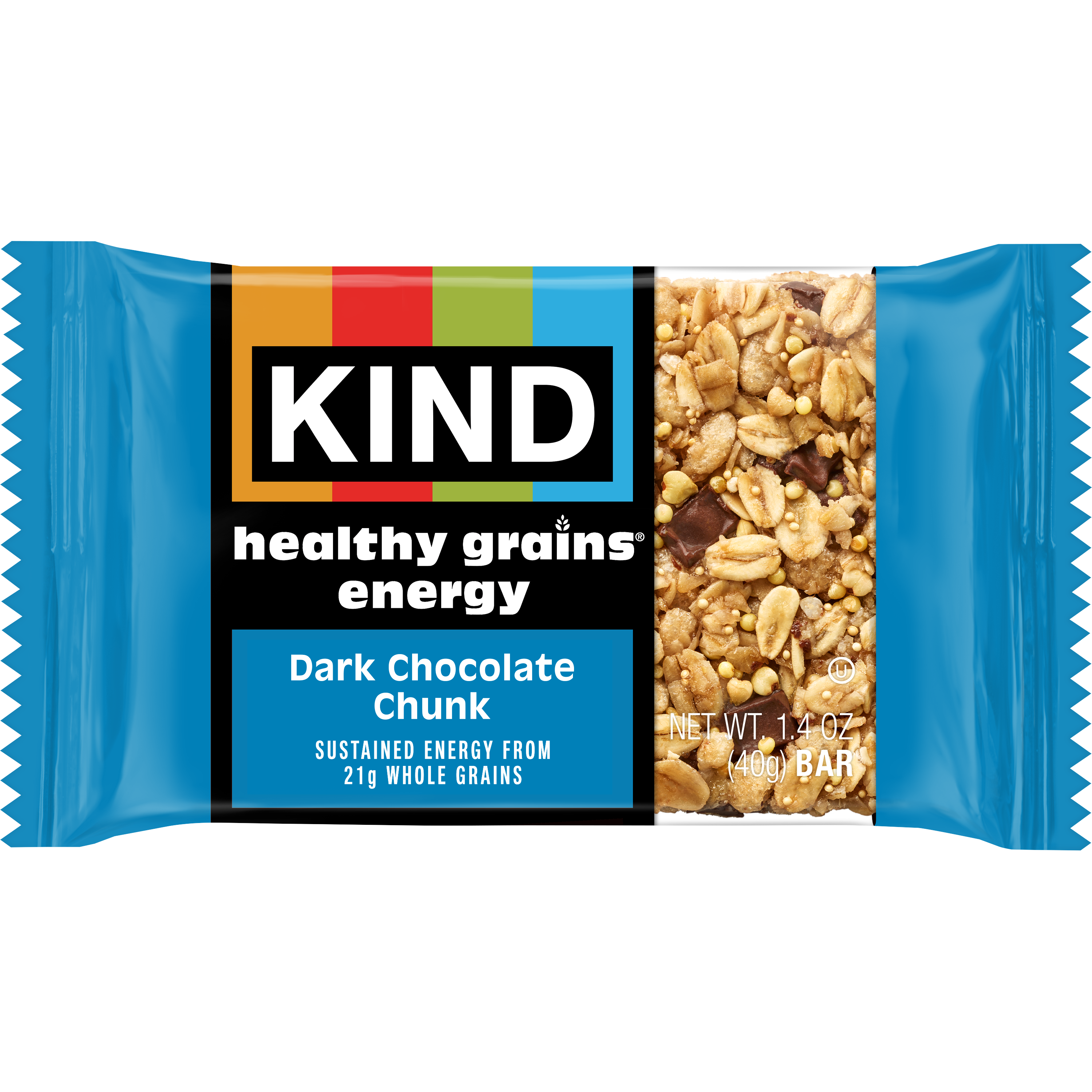
This product contains beneficial ingredients like almonds and peanuts, which provide healthy fats and essential nutrients. However, the presence of palm kernel oil, cane sugar, and glucose syrup introduces concerns due to high saturated fat content and refined sugars, which can negatively impact heart health and blood sugar levels. The product's processing level and inclusion of these less desirable ingredients limit its overall healthiness.
At a glance
Key ingredients 11
AlmondsVery Good
Almonds are a nutrient-dense nut rich in healthy fats, protein, and fiber. They provide essential vitamins and minerals such as vitamin E and magnesium. Their consumption is associated with improved heart health and reduced inflammation.
Risks
Potential allergen for individuals with nut allergies.
Benefits
Rich in monounsaturated fats and antioxidants, supporting heart health and reducing oxidative stress.
PeanutsGood
Peanuts are a good source of protein and healthy fats, particularly monounsaturated and polyunsaturated fats. They contain important nutrients like niacin, folate, and vitamin E. Regular consumption may support heart health and weight management.
Risks
Common allergen and may contain aflatoxins if not properly stored.
Benefits
Provides protein and healthy fats that can support heart health and satiety.
Chicory Root FiberGood
Chicory root fiber is a prebiotic fiber that supports digestive health by promoting beneficial gut bacteria. It is often used to improve the fiber content of foods without adding calories. Its consumption can aid in maintaining healthy blood sugar levels.
Risks
Excessive consumption may cause digestive discomfort such as bloating or gas.
Benefits
Supports digestive health and can help maintain healthy blood sugar levels.
HoneyNeutral
Honey is a natural sweetener with some antioxidant properties. It is less processed than refined sugars and can provide trace nutrients. However, it is still a source of sugar and should be consumed in moderation.
Risks
High in sugar and calories, which can contribute to weight gain if consumed in excess.
Benefits
Contains antioxidants and trace nutrients that may offer minor health benefits.
Palm Kernel OilBad
Palm kernel oil is high in saturated fats, which can raise LDL cholesterol levels. It is often used in processed foods due to its stability and long shelf life. Its production is associated with environmental concerns such as deforestation.
Risks
High saturated fat content may increase the risk of heart disease if consumed in large amounts.
Benefits
Provides a stable fat source for cooking and food production.
Cane SugarBad
Cane sugar is a refined sugar that provides empty calories without nutritional benefits. Excessive consumption is linked to obesity, type 2 diabetes, and dental cavities. It is often used to enhance sweetness in processed foods.
Risks
Contributes to weight gain, insulin resistance, and dental issues when consumed in excess.
Glucose SyrupBad
Glucose syrup is a liquid sweetener derived from corn or wheat starch. It is high in simple sugars and provides no nutritional value. Its consumption can lead to rapid spikes in blood sugar levels.
Risks
May contribute to insulin resistance and weight gain if consumed excessively.
Rice FlourNeutral
Rice flour is a gluten-free flour alternative made from finely milled rice. It is often used in gluten-free baking and cooking. While it provides carbohydrates, it lacks significant protein and fiber compared to whole grains.
Risks
May contribute to high glycemic index if consumed in large amounts.
Benefits
Provides a gluten-free alternative for baking and cooking.
Unsweetened ChocolateGood
Unsweetened chocolate is rich in antioxidants and flavonoids, which can support heart health. It contains minimal sugar and provides a source of magnesium and iron. Its consumption in moderation can offer health benefits.
Risks
High in calories and fat, which can contribute to weight gain if consumed in excess.
Benefits
Rich in antioxidants that may support heart health and reduce inflammation.
Alkalized CocoaNeutral
Alkalized cocoa, also known as Dutch-processed cocoa, is treated to reduce acidity and enhance flavor. It contains fewer antioxidants than natural cocoa due to processing. It is commonly used in baking and chocolate products.
Risks
Reduced antioxidant content compared to natural cocoa.
Benefits
Provides flavor and color to chocolate products.
Sea SaltGood
Unrefined sea salt — a minimally processed, natural source of sodium and essential trace minerals, and a legitimate whole-food seasoning. Treated as a positive ingredient.
Risks
Excessive sodium intake can lead to high blood pressure and cardiovascular issues.
Benefits
Contains trace minerals and enhances flavor in foods.
Processing
Processed Foods
Get the full breakdown in the Scout app
Scan any product to see lab results, healthy alternatives, and your personalized analysis.
Download on theApp Store