


At a glance
Summary
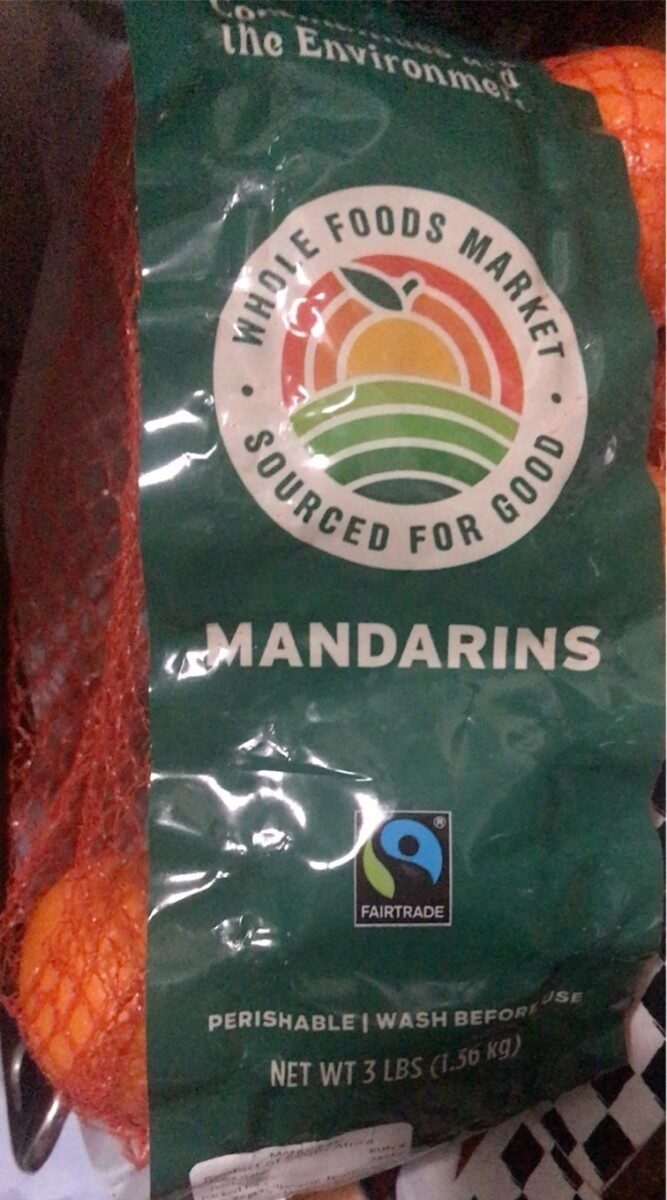
This product is a whole fruit, minimally processed, and rich in essential nutrients and antioxidants. Oranges provide dietary fiber, vitamin C, and other phytonutrients that support overall health. Being unprocessed, they retain all their natural benefits, making them an excellent choice for a healthy diet.
Key ingredients 18
OrangesVery Good
Oranges are a whole fruit rich in essential nutrients and antioxidants. They provide dietary fiber, vitamin C, and other phytonutrients that support overall health. Being unprocessed, they retain all their natural benefits.
Benefits
Rich in vitamin C, which supports immune function and skin health. Contains dietary fiber that aids digestion and promotes heart health.
Vitamin CVery Good
Vitamin C is a powerful antioxidant that supports immune function and collagen synthesis. It is a water-soluble vitamin found abundantly in citrus fruits. Essential for the repair of tissues and enzymatic production of certain neurotransmitters.
Benefits
Boosts immune function and supports collagen synthesis. Acts as a powerful antioxidant protecting against oxidative stress.
Vitamin AGood
Vitamin A is essential for maintaining healthy vision and immune function. It is a fat-soluble vitamin that supports skin health and cellular growth. Naturally present in many fruits and vegetables.
Risks
Excessive intake can lead to toxicity, but this is unlikely from natural sources.
Benefits
Supports eye health and immune function. Plays a role in maintaining healthy skin and mucous membranes.
ThiamineGood
Thiamine, or vitamin B1, is crucial for energy metabolism and nerve function. It is a water-soluble vitamin found in various foods. Essential for converting nutrients into energy.
Benefits
Supports energy production and nerve function. Helps in the metabolism of carbohydrates.
RiboflavinGood
Riboflavin, or vitamin B2, is important for energy production and cellular function. It is a water-soluble vitamin that also acts as an antioxidant. Found in many foods, it helps maintain healthy skin and eyes.
Benefits
Supports energy production and acts as an antioxidant. Helps maintain healthy skin and eyes.
NiacinGood
Niacin, or vitamin B3, is essential for energy metabolism and DNA repair. It is a water-soluble vitamin that supports skin health and nervous system function. Found in various foods, it helps convert food into energy.
Risks
High doses can cause flushing and liver damage, but this is unlikely from natural sources.
Benefits
Supports energy metabolism and DNA repair. Helps maintain healthy skin and nervous system.
Vitamin B6Good
Vitamin B6 is crucial for protein metabolism and cognitive development. It is a water-soluble vitamin that supports immune function and neurotransmitter synthesis. Found in many foods, it aids in the production of hemoglobin.
Benefits
Supports protein metabolism and cognitive development. Aids in the production of neurotransmitters and hemoglobin.
FolateGood
Folate, or vitamin B9, is vital for DNA synthesis and cell division. It is a water-soluble vitamin important for fetal development and red blood cell formation. Naturally present in many fruits and vegetables.
Benefits
Supports DNA synthesis and cell division. Important for fetal development and red blood cell formation.
Vitamin DGood
Vitamin D is essential for calcium absorption and bone health. It is a fat-soluble vitamin that also supports immune function. Naturally synthesized in the skin upon exposure to sunlight.
Risks
Excessive intake can lead to toxicity, but this is unlikely from natural sources.
Benefits
Supports calcium absorption and bone health. Plays a role in immune function and inflammation regulation.
Vitamin EGood
Vitamin E is a fat-soluble antioxidant that protects cell membranes from oxidative damage. It supports immune function and skin health. Found in various foods, it helps prevent oxidative stress.
Benefits
Acts as an antioxidant protecting cells from damage. Supports immune function and skin health.
Vitamin KGood
Vitamin K is essential for blood clotting and bone metabolism. It is a fat-soluble vitamin found in green leafy vegetables and other foods. Plays a crucial role in maintaining bone health and preventing excessive bleeding.
Benefits
Supports blood clotting and bone metabolism. Helps maintain bone health and prevent excessive bleeding.
CalciumGood
Calcium is a mineral essential for bone health and muscle function. It is crucial for maintaining strong bones and teeth. Found in various foods, it also plays a role in nerve transmission and blood clotting.
Risks
Excessive intake can lead to kidney stones, but this is unlikely from natural sources.
Benefits
Supports bone health and muscle function. Plays a role in nerve transmission and blood clotting.
IronGood
Iron is a mineral essential for oxygen transport and energy production. It is a key component of hemoglobin in red blood cells. Found in various foods, it supports immune function and cognitive development.
Risks
Excessive intake can cause toxicity, but this is unlikely from natural sources.
Benefits
Supports oxygen transport and energy production. Important for immune function and cognitive development.
MagnesiumGood
Magnesium is a mineral important for muscle and nerve function. It plays a role in over 300 enzymatic reactions in the body. Found in various foods, it supports bone health and energy production.
Benefits
Supports muscle and nerve function. Plays a role in bone health and energy production.
PhosphorusGood
Phosphorus is a mineral essential for bone health and energy production. It is a component of DNA and cell membranes. Found in various foods, it supports the formation of bones and teeth.
Risks
Excessive intake can affect calcium balance, but this is unlikely from natural sources.
Benefits
Supports bone health and energy production. Important for the formation of bones and teeth.
PotassiumGood
Potassium is a mineral crucial for heart and muscle function. It helps maintain fluid balance and nerve transmission. Found in various foods, it supports cardiovascular health and reduces blood pressure.
Benefits
Supports heart and muscle function. Helps maintain fluid balance and reduce blood pressure.
ZincGood
Zinc is a mineral important for immune function and wound healing. It plays a role in DNA synthesis and cell division. Found in various foods, it supports growth and development.
Risks
Excessive intake can lead to toxicity, but this is unlikely from natural sources.
Benefits
Supports immune function and wound healing. Important for growth and development.
SodiumNeutral
Sodium is a mineral important for fluid balance and nerve function. It is naturally present in many foods and is essential for maintaining blood pressure. While necessary, excessive intake can lead to hypertension.
Risks
Excessive intake can lead to hypertension and cardiovascular issues.
Benefits
Supports fluid balance and nerve function. Essential for maintaining blood pressure.
Processing
Unprocessed or Minimally Processed Foods
Get the full breakdown in the Scout appTake Scout shopping
Scan any product to see lab results, healthy alternatives, and your personalized analysis.
Download on theApp Store GET IT ONGoogle PlayAmazon pricing & content
Amazon price as of . Product prices and availability are accurate as of the date/time indicated and are subject to change. Any price and availability information displayed on Amazon.com at the time of purchase will apply to the purchase of this product.
CERTAIN CONTENT THAT APPEARS ON THIS SITE COMES FROM AMAZON. THIS CONTENT IS PROVIDED “AS IS” AND IS SUBJECT TO CHANGE OR REMOVAL AT ANY TIME.