


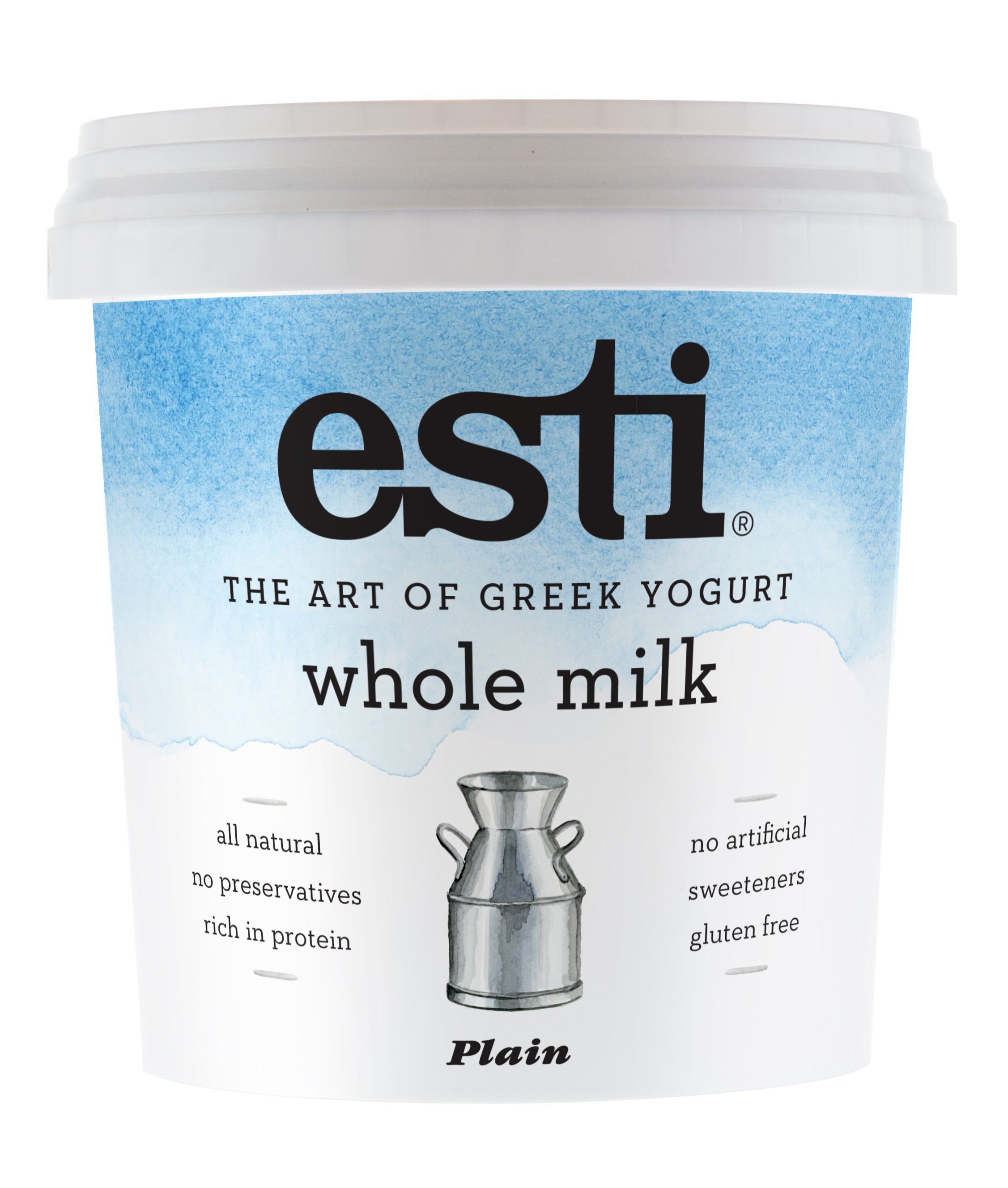


At a glance
Summary
This Greek Yogurt is a processed food with a relatively clean ingredient list, featuring strained yogurt as the primary component, which is beneficial for its high protein content and probiotics. However, the presence of natamycin as a preservative slightly detracts from its overall healthiness, as it indicates reliance on additives. Despite this, the product maintains a good nutritional profile with moderate sugar content and no seed oils or artificial sweeteners.
Key ingredients 3
Strained YogurtGood
Strained yogurt is a high-protein dairy product that supports muscle maintenance and growth. It is made by removing whey, resulting in a thicker texture and higher protein content. The fermentation process also provides beneficial probiotics for gut health.
Benefits
Rich in protein and probiotics, which can aid in digestion and support a healthy gut microbiome.
Vitamin DNeutral
Vitamin D is added to support bone health and immune function. It is often fortified in dairy products to enhance nutritional value. However, the amount added may not significantly impact overall vitamin D levels without additional dietary sources.
Benefits
Supports bone health and immune function, especially when dietary intake is insufficient.
NatamycinBad
Natamycin is a preservative used to prevent mold growth in dairy products. While it is generally recognized as safe, its use as a preservative can be seen as a negative due to potential over-reliance on additives. It does not contribute any nutritional value to the product.
Risks
Overuse of preservatives like natamycin may lead to reduced microbial diversity in the gut.
Benefits
Helps extend the shelf life of dairy products by preventing mold growth.
Processing
Processed Foods
Get the full breakdown in the Scout appTake Scout shopping
Scan any product to see lab results, healthy alternatives, and your personalized analysis.
Download on theApp Store GET IT ONGoogle Play