


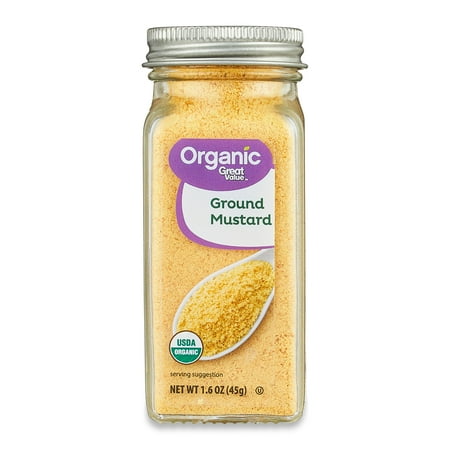


At a glance
Summary
Kania Mustard contains beneficial ingredients like mustard seeds and turmeric, which offer antioxidants and anti-inflammatory properties. However, the presence of refined sugar, which adds empty calories, and the product's processed nature limit its health benefits. Despite these concerns, the ingredient list is relatively clean, contributing to a moderate score.
Key ingredients 7
Mustard seedsGood
Mustard seeds are a good source of minerals and antioxidants. They contain compounds that may have anti-inflammatory and antibacterial properties. The seeds are minimally processed, retaining their nutritional benefits.
Risks
May cause allergic reactions in sensitive individuals.
Benefits
Rich in minerals like selenium and magnesium, and contain antioxidants that support overall health.
TurmericGood
Turmeric is known for its anti-inflammatory and antioxidant properties. It contains curcumin, which has been studied for various health benefits. It is a natural spice with minimal processing.
Risks
May cause stomach upset or interact with certain medications in high doses.
Benefits
Supports joint health and may reduce inflammation.
WaterNeutral
Water is a neutral ingredient used as a base in many condiments. It provides no nutritional value but is essential for consistency. It is a natural and unprocessed component.
See more about Water →VinegarNeutral
Vinegar is used as a preservative and flavor enhancer in condiments. It is a natural product derived from fermentation. While it adds acidity, it does not provide significant nutritional benefits.
Risks
Excessive consumption may lead to enamel erosion or digestive discomfort.
Benefits
May aid in digestion and has antimicrobial properties.
SaltNeutral
Salt is used to enhance flavor and preserve food. It is a common culinary ingredient but should be consumed in moderation. Excessive intake can lead to health issues.
Risks
High sodium intake is linked to hypertension and cardiovascular diseases.
Benefits
Essential for maintaining fluid balance and nerve function.
Spice extractNeutral
Spice extracts are used to enhance flavor in condiments. They are concentrated forms of spices and provide aromatic compounds. The specific health impact depends on the spices used.
Benefits
May provide flavor without adding calories or significant nutrients.
SugarBad
Refined sugar is associated with various health issues when consumed in excess. It provides empty calories without nutritional benefits. Its inclusion in condiments can contribute to increased sugar intake.
Risks
High consumption can lead to weight gain, insulin resistance, and dental issues.
Processing
Processed Foods
Get the full breakdown in the Scout appTake Scout shopping
Scan any product to see lab results, healthy alternatives, and your personalized analysis.
Download on theApp Store GET IT ONGoogle Play