
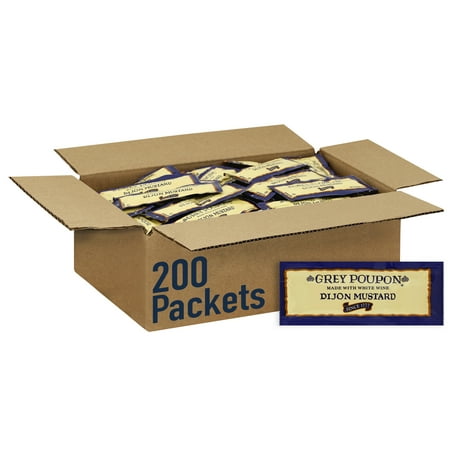


Grey Poupon Single Serve Dijon Mustard 0.25 oz. Packets (Pack of 200)
Analysis updated August 2026 · How Scout scores
At a glance
Summary
This Dijon mustard is a processed food with a relatively clean ingredient list, featuring mustard seed and fruit pectin, which are beneficial. However, it contains added sugar and multiple acids, which contribute to its processing level. The absence of harmful additives like artificial colors or seed oils helps maintain a moderate score.
Key ingredients 10
Mustard seedGood
Mustard seeds are a source of essential nutrients and phytochemicals. They contain compounds like glucosinolates, which have been studied for their potential health benefits. Mustard seeds are minimally processed and retain their natural properties.
Risks
May cause allergic reactions in sensitive individuals.
Benefits
Rich in antioxidants and may have anti-inflammatory properties.
SpicesGood
Whole-food seasonings, antioxidant-bearing.
Benefits
May provide antioxidants and enhance flavor.
Distilled white vinegarNeutral
Distilled white vinegar is a common acidic ingredient used for flavor and preservation. It is produced through the fermentation of ethanol by acetic acid bacteria. While it has no significant nutritional benefits, it is generally considered safe and non-harmful.
See more about Distilled white vinegar →WaterNeutral
Water is used as a solvent and to adjust the consistency of the product. It is a neutral ingredient with no direct nutritional impact. Water is essential for hydration but does not contribute additional nutrients in this context.
See more about Water →SaltNeutral
Salt is used for flavor enhancement and preservation. It is a refined ingredient that provides sodium, an essential mineral. While necessary in small amounts, excessive consumption can lead to health issues.
Risks
High sodium intake can contribute to hypertension and cardiovascular issues.
Benefits
Provides essential sodium for bodily functions.
White wineNeutral
White wine is used for flavoring and adds a distinct taste to the mustard. It is made from fermented grapes and contains alcohol, which evaporates during cooking. The nutritional impact is minimal due to the small quantity used.
Benefits
Adds flavor complexity to the product.
Citric acidNeutral
Citric acid is a natural preservative and flavor enhancer. It is commonly used to add acidity and improve shelf life. Derived from citrus fruits, it is generally recognized as safe.
Risks
Excessive consumption may cause stomach upset in sensitive individuals.
Benefits
Helps preserve the product and enhance flavor.
Tartaric acidNeutral
Tartaric acid is used as an acidulant and stabilizer in food products. It is naturally found in grapes and bananas and is used to control acidity. It is generally considered safe in food applications.
Benefits
Contributes to the stability and flavor of the product.
Fruit pectinNeutral
Standard formulation ingredient — neither beneficial nor harmful at typical use.
Benefits
May aid in digestion and provide dietary fiber.
SugarBad
Refined added sugar.
Risks
Excessive sugar intake can lead to weight gain and metabolic issues.
Benefits
Provides sweetness and energy.
Processing
Processed Foods
Get the full breakdown in the Scout appTake Scout shopping
Scan any product to see lab results, healthy alternatives, and your personalized analysis.
Download on theApp Store GET IT ONGoogle PlayAmazon pricing & content
Amazon price as of . Product prices and availability are accurate as of the date/time indicated and are subject to change. Any price and availability information displayed on Amazon.com at the time of purchase will apply to the purchase of this product.
CERTAIN CONTENT THAT APPEARS ON THIS SITE COMES FROM AMAZON. THIS CONTENT IS PROVIDED “AS IS” AND IS SUBJECT TO CHANGE OR REMOVAL AT ANY TIME.