

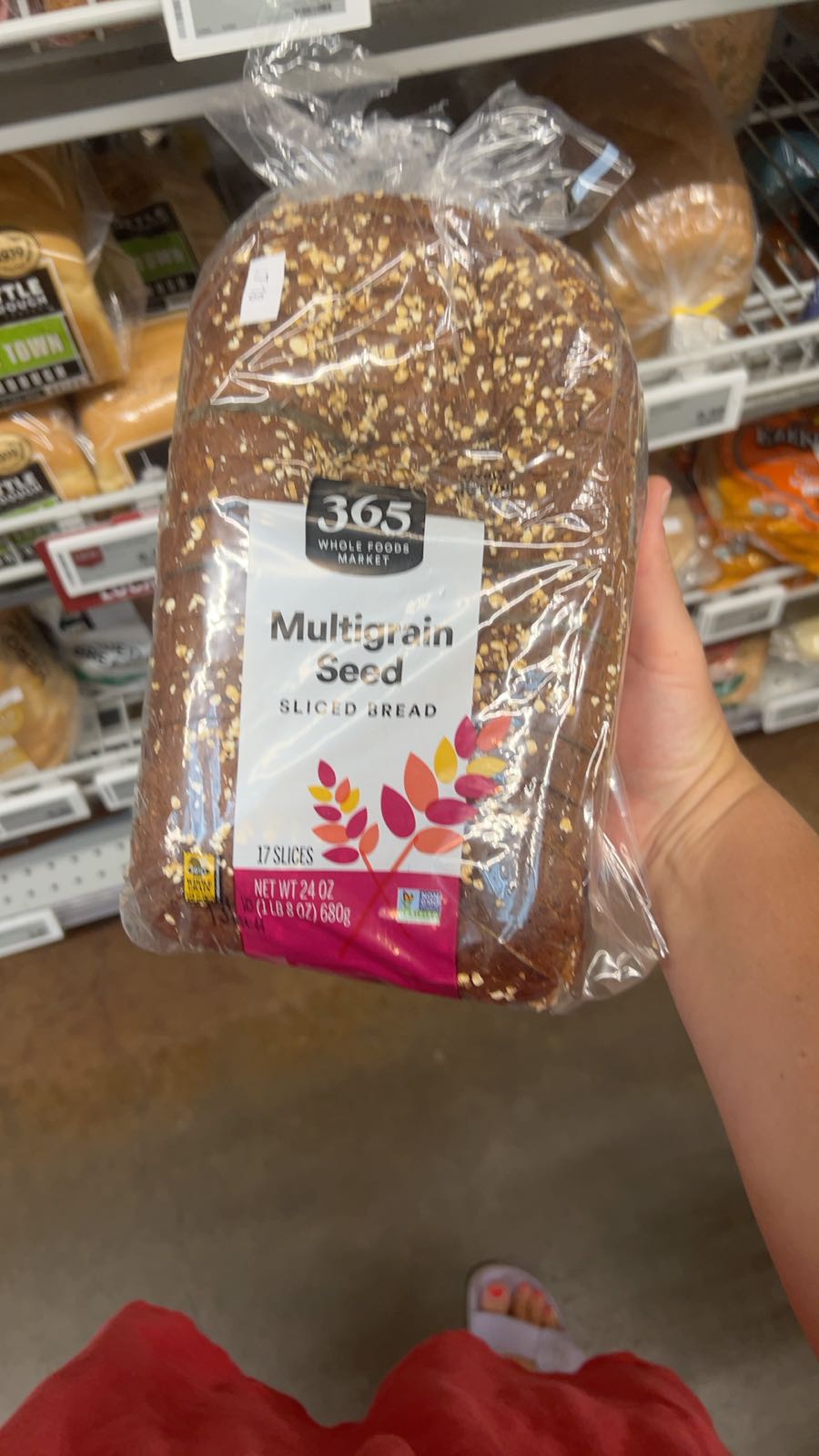


Whole Foods Market Forbidden Rice Batard
Whole Foods MarketAnalysis updated September 2026 · How Scout scores
At a glance
Summary
This bread includes beneficial ingredients like whole wheat flour and softgrain purple rice, which provide fiber and nutrients. However, it is a processed food with enriched unbleached flour and a moderate level of sodium, which slightly detracts from its overall healthiness. The absence of harmful additives and the use of whole grains contribute positively to its score, but the processing level limits its maximum potential rating.
Key ingredients 8
Softgrain Purple RiceGood
Purple rice is rich in antioxidants and nutrients, making it a healthy addition to the bread.
Whole Wheat FlourGood
Whole wheat flour provides dietary fiber and nutrients, supporting digestive health.
See more about Whole Wheat Flour →Sesame SeedsGood
Sesame seeds are a good source of healthy fats, protein, and minerals, enhancing nutritional value.
See more about Sesame Seeds →Black Carrot PowderGood
Black carrot powder adds antioxidants and natural color, contributing to the nutritional profile.
WaterNeutral
Water is essential for baking and has a neutral impact on health, serving as a base ingredient.
See more about Water →SaltNeutral
Salt is necessary for flavor and preservation but should be consumed in moderation.
See more about Salt →YeastNeutral
Baker's/nutritional yeast in standard use — benign.
See more about Yeast →Enriched Unbleached FlourBad
Enriched unbleached flour is highly processed and often contains additives, which can reduce its nutritional value.
See more about Enriched Unbleached Flour →Processing
Processed Foods
Get the full breakdown in the Scout appTake Scout shopping
Scan any product to see lab results, healthy alternatives, and your personalized analysis.
Download on theApp Store GET IT ONGoogle PlayAmazon pricing & content
Amazon price as of . Product prices and availability are accurate as of the date/time indicated and are subject to change. Any price and availability information displayed on Amazon.com at the time of purchase will apply to the purchase of this product.
CERTAIN CONTENT THAT APPEARS ON THIS SITE COMES FROM AMAZON. THIS CONTENT IS PROVIDED “AS IS” AND IS SUBJECT TO CHANGE OR REMOVAL AT ANY TIME.