
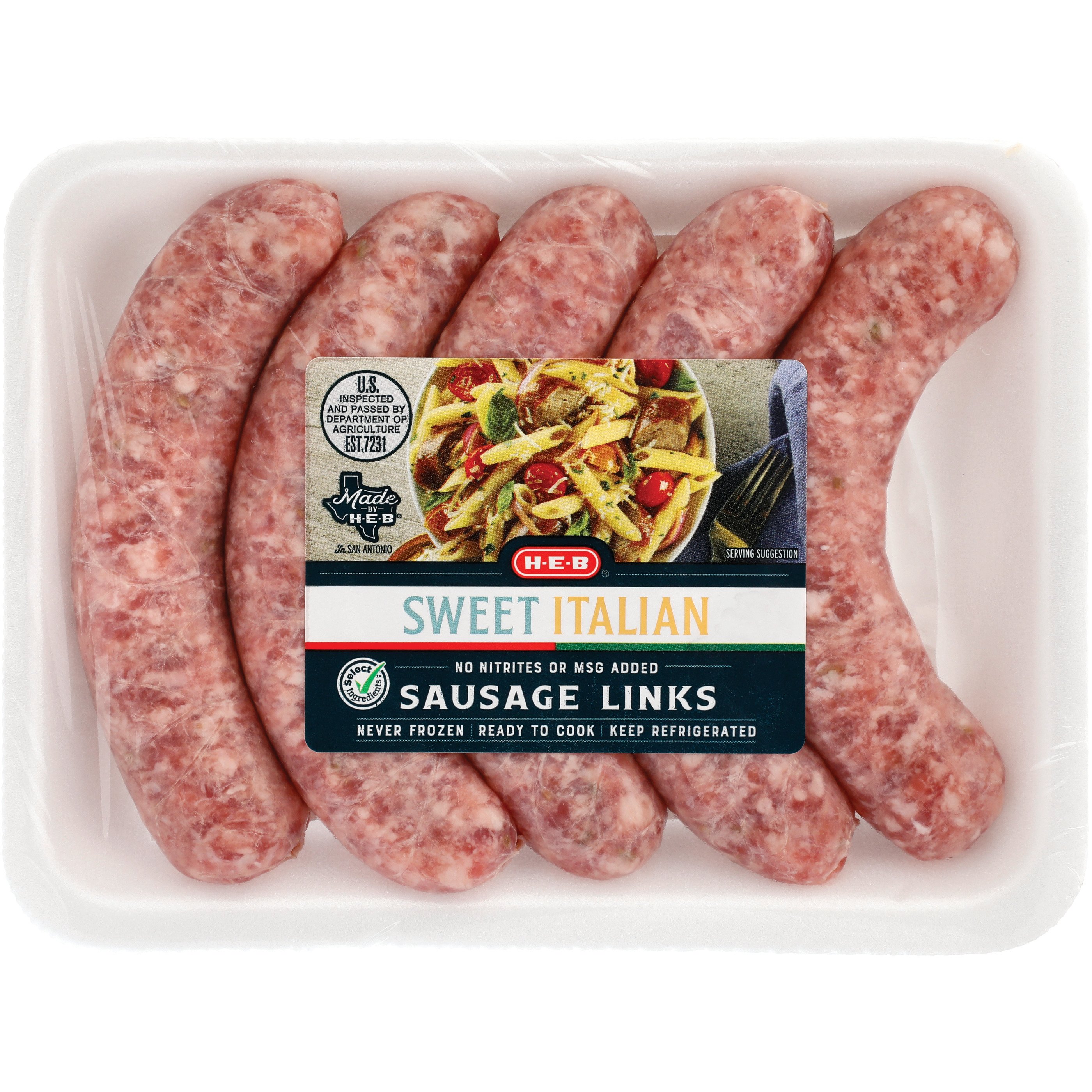


H-E-B Sweet Italian Pork Sausage
Analysis updated August 2026 · How Scout scores
At a glance
Summary
This sweet Italian pork sausage is a processed food with added sugar and natural flavors, which are common in processed meats to enhance taste but can be concerning due to their lack of transparency. While it contains beneficial fennel for flavor and potential digestive benefits, the presence of sugar and natural flavors, along with its processing level, limits its healthiness compared to less processed meat options.
Key ingredients 10
FennelGood
Fennel is a spice that adds flavor and has potential digestive benefits. It contains antioxidants and may support digestive health. Its use in small amounts in sausages is primarily for flavor.
Benefits
Contains antioxidants and may aid in digestion.
PorkNeutral
Pork is a source of high-quality protein and essential nutrients. The quality depends on the farming practices, such as whether the pork is pasture-raised. Without specific quality indicators, it is considered a standard protein source.
Risks
Potential risks include high saturated fat content and possible contamination if not cooked properly.
Benefits
Provides essential amino acids and nutrients like B vitamins and zinc.
WaterNeutral
Water is used as a processing aid and does not contribute nutritional value. It helps in maintaining moisture in the sausage. There are no health concerns associated with water in this context.
See more about Water →SaltNeutral
Salt is used for flavor enhancement and preservation. It is a common ingredient in processed meats. Excessive consumption can lead to health issues like hypertension.
Risks
High sodium intake can increase the risk of hypertension and cardiovascular diseases.
Benefits
Enhances flavor and acts as a preservative.
Spice ExtractivesNeutral
Spice extractives are concentrated forms of spices used for flavoring. They enhance the taste without adding significant calories. The specific health impact depends on the spices used.
Benefits
Enhances flavor without adding significant calories.
Sodium AcetateNeutral
Sodium acetate is used as a preservative and flavoring agent. It helps maintain the product's shelf life and stability. In small amounts, it is generally recognized as safe.
Benefits
Acts as a preservative and flavor enhancer.
FlavoringsNeutral
Flavorings are added to enhance the taste of the product. They can be natural or artificial, but specifics are not provided. Without detailed information, they are considered neutral.
Risks
Potential allergens and unknown compounds may pose health risks.
Benefits
Enhances flavor but offers no nutritional benefits.
SugarBad
Sugar is added for flavor but provides no essential nutrients. It is a refined carbohydrate that can contribute to health issues if consumed in excess. In processed foods, it is often used to balance flavors.
Risks
Excessive sugar intake can lead to obesity, diabetes, and dental issues.
DextroseBad
Refined added sugar.
Risks
Excessive consumption can contribute to blood sugar spikes and related health issues.
Benefits
Provides quick energy but lacks other nutritional benefits.
Natural FlavorsBad
Natural flavors are used to enhance taste but lack transparency in their composition. They are highly processed and can contain a variety of chemical compounds. This lack of transparency can be concerning for consumers.
Risks
Potential allergens and unknown chemical compounds may pose health risks.
Benefits
Enhances flavor but offers no nutritional benefits.
Processing
Processed Foods
Get the full breakdown in the Scout appTake Scout shopping
Scan any product to see lab results, healthy alternatives, and your personalized analysis.
Download on theApp Store GET IT ONGoogle PlayAmazon pricing & content
Amazon price as of . Product prices and availability are accurate as of the date/time indicated and are subject to change. Any price and availability information displayed on Amazon.com at the time of purchase will apply to the purchase of this product.
CERTAIN CONTENT THAT APPEARS ON THIS SITE COMES FROM AMAZON. THIS CONTENT IS PROVIDED “AS IS” AND IS SUBJECT TO CHANGE OR REMOVAL AT ANY TIME.