
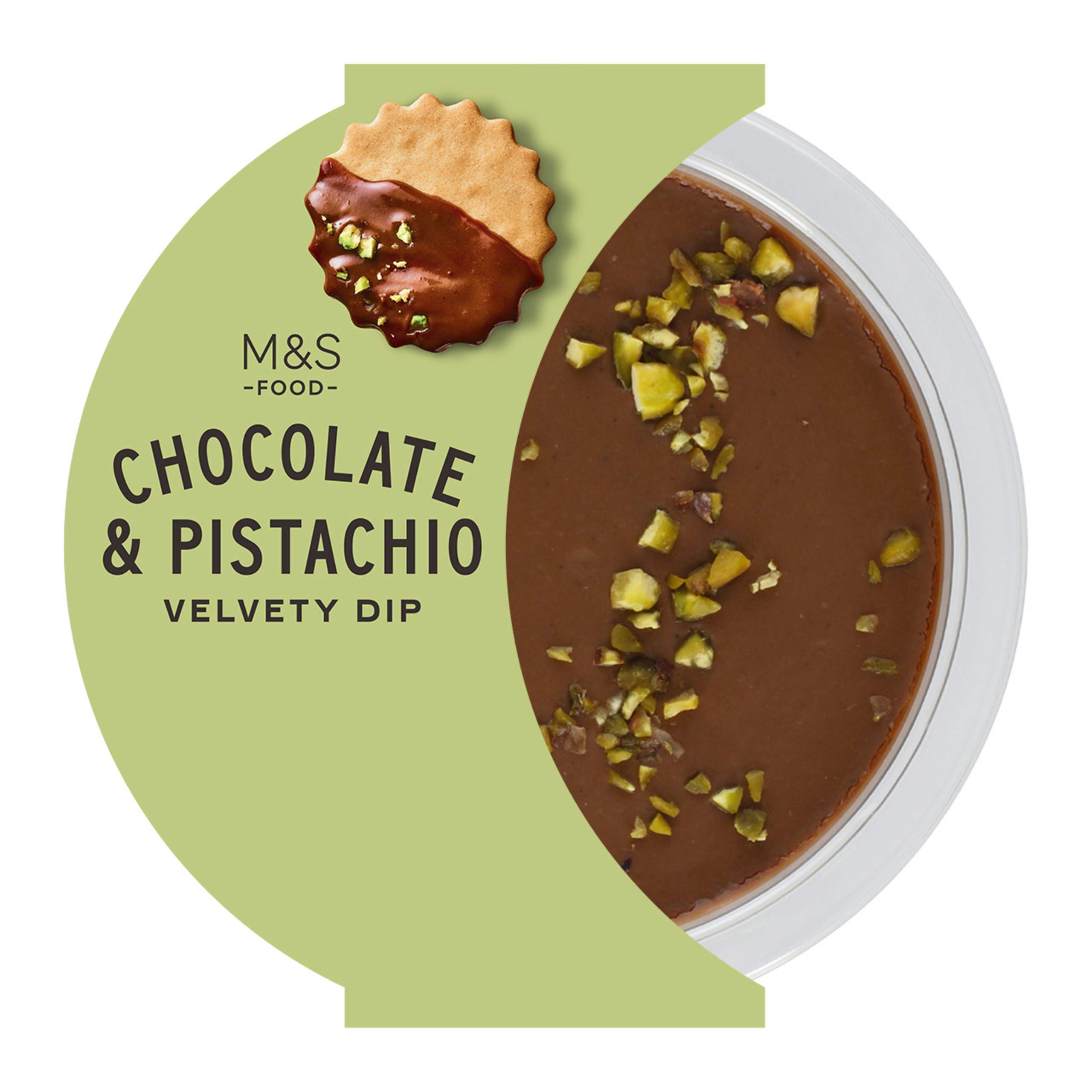



Chocolate and Pistachio Velvety Dip
Analysis updated July 2026 · How Scout scores
At a glance
Summary
This product contains beneficial ingredients like pistachio nuts, dark chocolate, and whole milk, which provide healthy fats and antioxidants. However, it is heavily processed, with added sugars and emulsifiers like soya lecithin, which detract from its nutritional profile. The high level of processing and presence of refined sugar limit its overall healthiness despite some nutritious components.
Key ingredients 9
Pistachio NutsVery Good
Pistachio nuts are rich in healthy fats, protein, and antioxidants. They provide essential nutrients like vitamin B6 and potassium. Their natural form offers health benefits without added processing.
Risks
May cause allergic reactions in individuals with nut allergies.
Benefits
High in monounsaturated fats and antioxidants, supporting heart health and reducing inflammation.
Whipping CreamGood
Whipping cream is a source of high-quality saturated fats and fat-soluble vitamins. It is minimally processed and provides a rich texture to foods. Grass-fed or organic versions offer additional nutritional benefits.
Risks
High in saturated fat, which may contribute to heart disease if consumed in excess.
Benefits
Provides fat-soluble vitamins like A, D, E, and K, and contributes to a creamy texture and flavor in culinary applications.
Whole MilkGood
Whole milk is a source of complete protein and essential nutrients like calcium and vitamin D. It is less processed than skim or low-fat milk, retaining more natural fats. Organic or grass-fed milk offers additional health benefits.
Risks
Contains lactose, which can cause digestive issues for lactose-intolerant individuals.
Benefits
Rich in calcium and vitamin D, supporting bone health and providing a complete protein source.
Dark ChocolateGood
Dark chocolate contains antioxidants and flavonoids that support heart health. It is less processed than milk chocolate, retaining more beneficial compounds. Higher cocoa content increases health benefits.
Risks
Contains sugar and caffeine, which can be concerns if consumed in large amounts.
Benefits
Rich in antioxidants and flavonoids, which may improve heart health and reduce inflammation.
Pasteurised EggGood
Eggs are a high-quality source of protein and essential nutrients like choline and vitamin D. Pasteurization reduces the risk of foodborne illness while maintaining nutritional value. Eggs provide a complete amino acid profile.
Risks
May cause allergic reactions in individuals with egg allergies.
Benefits
Excellent source of protein and essential nutrients, supporting muscle health and brain function.
Milk ChocolateNeutral
Milk chocolate contains sugar and milk solids, offering a sweeter taste than dark chocolate. It is more processed and contains less cocoa, reducing its antioxidant content. It provides some calcium and protein from milk.
Risks
High in sugar and fat, which can contribute to weight gain and metabolic issues.
Benefits
Contains some calcium and protein from milk, but benefits are limited compared to dark chocolate.
SaltNeutral
Salt is a common seasoning that enhances flavor. It is a source of sodium, which is essential for fluid balance and nerve function. Excessive intake can lead to health issues.
Risks
High sodium intake is associated with increased blood pressure and cardiovascular risk.
Benefits
Essential for maintaining fluid balance and nerve function, but should be consumed in moderation.
SugarBad
Refined sugar is a source of empty calories with no essential nutrients. It can contribute to weight gain and metabolic issues when consumed in excess. High sugar intake is linked to increased risk of chronic diseases.
Risks
Excessive consumption can lead to obesity, type 2 diabetes, and dental cavities.
Benefits
Provides quick energy but lacks nutritional benefits.
Soya LecithinBad
Soya lecithin is an emulsifier used to improve texture and stability in foods. It is derived from soybeans and is highly processed. While generally recognized as safe, it offers no nutritional benefits.
Risks
May cause allergic reactions in individuals with soy allergies.
Benefits
Improves texture and stability in food products, but offers no significant nutritional benefits.
Processing
Ultra-Processed Foods
Get the full breakdown in the Scout appTake Scout shopping
Scan any product to see lab results, healthy alternatives, and your personalized analysis.
Download on theApp Store GET IT ONGoogle Play