
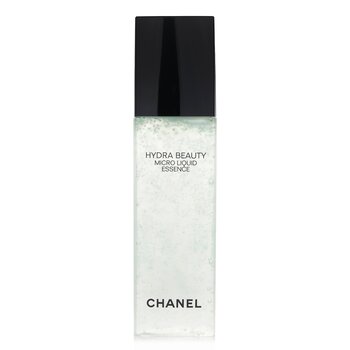
ChanelHydra Beauty Micro Liquid Essence Refining Energizing Hydration 150ml/5oz
Summary
This serum contains beneficial ingredients like Camellia Japonica Flower Extract and Sodium Hyaluronate, which are known for their hydrating properties. However, the presence of synthetic fragrance and phenoxyethanol, a preservative with potential irritation risks, lowers its safety profile. The inclusion of several synthetic compounds and a processed formulation further impacts its overall rating.
At a glance
Key ingredients 21
Water
Water is a universal solvent and is used as a base in many cosmetic formulations. It helps dissolve other ingredients and provides hydration. It is generally considered safe and non-irritating.
Risks
There are no significant risks associated with water in cosmetics.
Benefits
Water helps in hydrating the skin and acts as a carrier for other beneficial ingredients.
Glycerin
Glycerin is a humectant that attracts moisture to the skin, helping to keep it hydrated. It is commonly used in skincare products for its moisturizing properties. It is generally well-tolerated and beneficial for dry skin.
Risks
Glycerin is generally safe, but in rare cases, it may cause irritation if used in high concentrations.
Benefits
Glycerin helps maintain skin hydration and improves skin barrier function.
Butylene Glycol
Butylene Glycol is a solvent and conditioning agent that helps improve the texture of skincare products. It enhances the penetration of other ingredients into the skin. It is generally considered safe for use in cosmetics.
Risks
In some individuals, Butylene Glycol may cause mild irritation or allergic reactions.
Benefits
It helps in improving the texture and spreadability of products and aids in skin hydration.
Pentylene Glycol
Pentylene Glycol is a synthetic humectant and solvent that helps retain moisture in the skin. It also has antimicrobial properties, which can help preserve the product. It is generally considered safe for use in cosmetics.
Risks
Pentylene Glycol may cause mild irritation in sensitive individuals.
Benefits
It provides moisturizing benefits and helps in preserving the product.
Isononyl Isononanoate
Isononyl Isononanoate is an emollient that helps to soften and smooth the skin. It is used to improve the texture and feel of cosmetic products. It is generally considered safe and non-irritating.
Risks
There are minimal risks associated with this ingredient, though it may cause mild irritation in very sensitive skin.
Benefits
It enhances the skin's smoothness and provides a silky feel to products.
Camellia Japonica Flower Extract
Camellia Japonica Flower Extract is a botanical ingredient known for its antioxidant properties. It helps protect the skin from environmental damage and provides soothing benefits. It is generally considered beneficial for skin health.
Risks
There are minimal risks, but some individuals may experience allergic reactions.
Benefits
It provides antioxidant protection and helps soothe and calm the skin.
Zingiber Officinale Root Extract
Zingiber Officinale Root Extract, commonly known as ginger root extract, is used for its antioxidant and anti-inflammatory properties. It helps protect the skin from oxidative stress and soothes irritation. It is generally considered beneficial for skin health.
Risks
In rare cases, it may cause irritation or allergic reactions.
Benefits
It provides antioxidant protection and helps reduce inflammation.
Phenoxyethanol
Phenoxyethanol is a preservative used to prevent microbial growth in cosmetic products. It is effective in extending the shelf life of products. However, it can be a skin irritant for some individuals.
Risks
Phenoxyethanol may cause irritation or allergic reactions, particularly in sensitive skin.
Benefits
It helps maintain product integrity by preventing microbial contamination.
Dextrin Palmitate
Dextrin Palmitate is an emulsifier that helps blend oil and water-based ingredients. It improves the texture and stability of cosmetic formulations. It is generally considered safe for use in cosmetics.
Risks
There are minimal risks associated with this ingredient.
Benefits
It enhances the stability and texture of products.
Carbomer
Carbomer is a thickening agent used to create gel-like textures in cosmetic products. It helps stabilize emulsions and provides a smooth application. It is generally considered safe for use in cosmetics.
Risks
Carbomer may cause mild irritation in sensitive individuals.
Benefits
It improves the texture and consistency of products.
Parfum
Parfum, or fragrance, is used to impart a pleasant scent to cosmetic products. However, it is a common allergen and can cause skin irritation or sensitization. It is generally considered a negative ingredient due to potential allergic reactions.
Risks
Fragrance can cause allergic reactions, irritation, and sensitization, especially in sensitive skin.
Benefits
It provides a pleasant scent to products, enhancing user experience.
Dipropylene Glycol
Dipropylene Glycol is a solvent and viscosity-decreasing agent used in cosmetics. It helps improve the texture and spreadability of products. It is generally considered safe for use in cosmetics.
Risks
There are minimal risks, but it may cause mild irritation in sensitive individuals.
Benefits
It enhances the texture and application of products.
Disodium EDTA
Disodium EDTA is a chelating agent that helps stabilize cosmetic formulations by binding metal ions. It enhances the efficacy and shelf life of products. However, it can cause irritation in some individuals.
Risks
Disodium EDTA may cause irritation or allergic reactions in sensitive skin.
Benefits
It helps maintain product stability and efficacy.
Sodium Hydroxide
Sodium Hydroxide is used to adjust the pH of cosmetic formulations. It is effective in small concentrations but can be irritating in higher amounts. It is generally considered safe when used appropriately.
Risks
Sodium Hydroxide can cause irritation or burns if used in high concentrations.
Benefits
It helps maintain the desired pH level in products.
Dehydroxanthan Gum
Dehydroxanthan Gum is a thickening and stabilizing agent used in cosmetics. It helps improve the texture and consistency of products. It is generally considered safe for use in cosmetics.
Risks
There are minimal risks associated with this ingredient.
Benefits
It enhances the texture and stability of products.
Amodimethicone
Amodimethicone is a silicone-based conditioning agent used to improve the feel and appearance of hair and skin. It provides a smooth, silky texture. It is generally considered safe for use in cosmetics.
Risks
Silicones like Amodimethicone can build up on the skin or hair, potentially causing dullness or breakouts.
Benefits
It provides a smooth, silky feel and improves the appearance of hair and skin.
Sodium Hyaluronate
Sodium Hyaluronate is a form of hyaluronic acid, a powerful humectant that attracts and retains moisture in the skin. It is highly beneficial for hydration and plumping the skin. It is generally considered very good for skin health.
Risks
There are minimal risks, but it may cause irritation in very sensitive skin.
Benefits
It provides intense hydration and helps plump and smooth the skin.
Ethylhexyl Salicylate
Ethylhexyl Salicylate is a UV filter used to protect the skin from sun damage. It absorbs UVB radiation, helping to prevent sunburn. However, it can cause irritation or allergic reactions in some individuals.
Risks
It may cause skin irritation or allergic reactions, particularly in sensitive individuals.
Benefits
It provides UVB protection, helping to prevent sunburn and skin damage.
Butyl Methoxydibenzoylmethane
Butyl Methoxydibenzoylmethane, also known as Avobenzone, is a UVA filter used in sunscreens. It helps protect the skin from UVA-induced damage. However, it can degrade in sunlight, reducing its effectiveness.
Risks
It may cause skin irritation or allergic reactions, and its effectiveness can decrease with sun exposure.
Benefits
It provides broad-spectrum UVA protection, helping to prevent skin aging and damage.
Diethylhexyl Syringylidenemalonate
Diethylhexyl Syringylidenemalonate is an antioxidant and UV filter used in cosmetics. It helps protect the skin from oxidative stress and UV damage. It is generally considered safe for use in cosmetics.
Risks
There are minimal risks, but it may cause irritation in sensitive individuals.
Benefits
It provides antioxidant protection and helps protect the skin from UV damage.
CI 61565
CI 61565, also known as D&C Green No. 6, is a synthetic colorant used to impart color to cosmetic products. It is approved for use in cosmetics but can cause irritation in some individuals. It is generally considered safe when used within regulatory limits.
Risks
It may cause irritation or allergic reactions, particularly in sensitive skin.
Benefits
It provides color to cosmetic products, enhancing their visual appeal.
Processing
Processed Foods
Get the full breakdown in the Scout app
Scan any product to see lab results, healthy alternatives, and your personalized analysis.
Download on theApp Store