
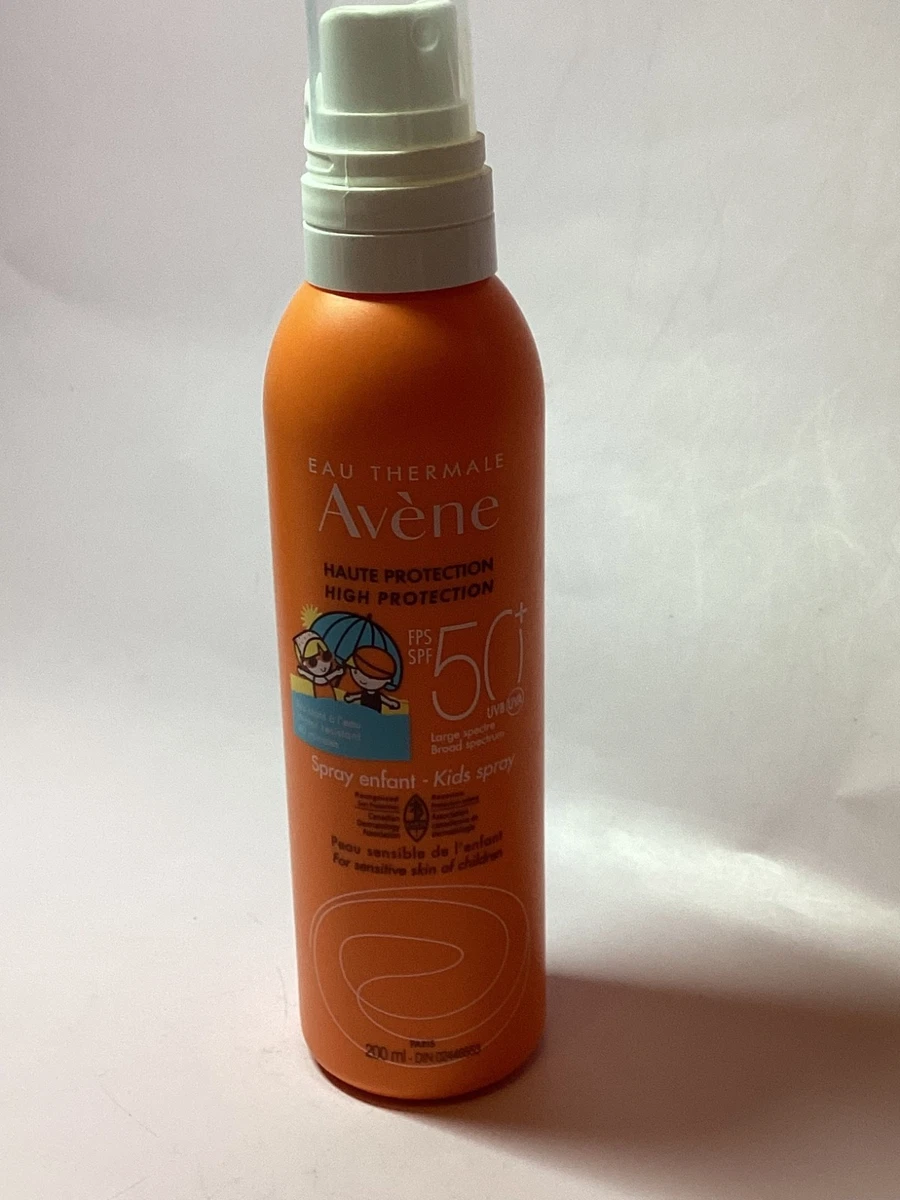

Avene Sunscreen Spray for Children SPF 50+ 200ml Exp 01/2025 Spray Cream Lotion
Analysis updated August 2026 · How Scout scores
At a glance
Summary
This sunscreen spray contains beneficial ingredients like Avene Thermal Spring Water, glycerin, and tocopherol, which provide soothing, moisturizing, and antioxidant benefits. However, the presence of octocrylene, a chemical sunscreen agent, raises concerns due to its potential for skin irritation and environmental impact. The product's processing level and the inclusion of a chemical UV filter limit its overall score.
Key ingredients 8
Avene Thermal Spring WaterGood
Avene Thermal Spring Water is known for its soothing and anti-irritating properties. It is often used in skincare products to calm sensitive skin and reduce inflammation.
Risks
There are minimal risks associated with thermal spring water, though individual reactions can vary.
Benefits
It provides hydration and can help soothe irritated skin, making it beneficial for sensitive skin types.
Coco-Caprylate/CaprateGood
Coco-Caprylate/Caprate is a natural emollient derived from coconut oil and glycerin. It is used to enhance skin hydration and improve the spreadability of products.
Risks
There are minimal risks, though it may cause mild irritation in very sensitive individuals.
Benefits
It provides a lightweight, non-greasy feel and helps to moisturize the skin effectively.
GlycerinGood
Glycerin is a humectant that attracts moisture to the skin, helping to keep it hydrated. It is widely used in skincare for its moisturizing properties.
Risks
There are minimal risks, though overuse can lead to a sticky feeling on the skin.
Benefits
It helps to maintain skin hydration and improve skin barrier function.
TocopherolGood
Tocopherol, or Vitamin E, is an antioxidant that helps protect the skin from free radical damage. It is commonly used in skincare for its nourishing and protective properties.
Risks
It is generally safe, though high concentrations can cause skin irritation in sensitive individuals.
Benefits
It provides antioxidant protection and helps to nourish and repair the skin.
C12-15 Alkyl BenzoateNeutral
C12-15 Alkyl Benzoate is an emollient that helps to improve the texture and spreadability of products. It is commonly used in sunscreens and moisturizers.
Risks
It may cause irritation in some individuals with very sensitive skin.
Benefits
It helps to create a smooth application and can enhance the skin's softness.
Methylene Bis-Benzotriazolyl Tetramethylbutylphenol [Nano]Neutral
This ingredient is a broad-spectrum UV filter used in sunscreens to protect the skin from UVA and UVB rays. It is effective in preventing sunburn and skin damage.
Risks
There are concerns about the use of nano-sized particles and their potential to penetrate the skin, though current research is inconclusive.
Benefits
It provides effective sun protection, reducing the risk of sunburn and long-term skin damage.
Titanium DioxideNeutral
Titanium Dioxide is a mineral sunscreen agent that provides broad-spectrum protection by reflecting UV rays. It is often used in physical sunscreens.
Risks
Inhalation of its powder form can be harmful, but it is generally safe in cream or lotion form.
Benefits
It is effective in protecting the skin from both UVA and UVB rays without causing irritation.
OctocryleneBad
Octocrylene is a chemical sunscreen agent that absorbs UVB and short UVA rays. It is often used to stabilize other sunscreen ingredients.
Risks
It can cause skin irritation and has been linked to potential endocrine disruption.
Benefits
It helps to protect the skin from sun damage and enhances the stability of other sunscreen agents.
Processing
Processed Foods
Get the full breakdown in the Scout appTake Scout shopping
Scan any product to see lab results, healthy alternatives, and your personalized analysis.
Download on theApp Store GET IT ONGoogle Play