
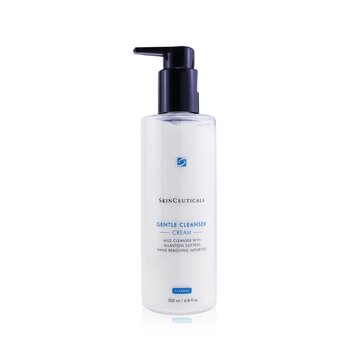
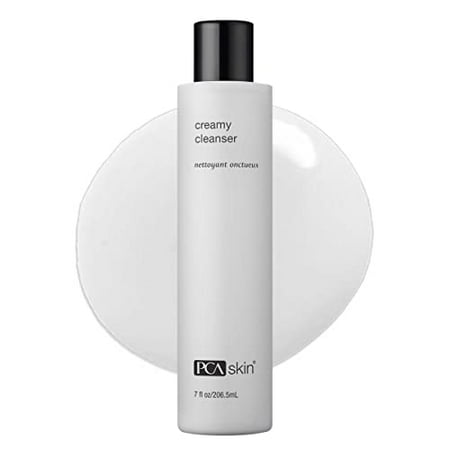
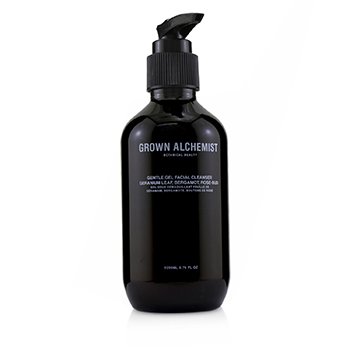

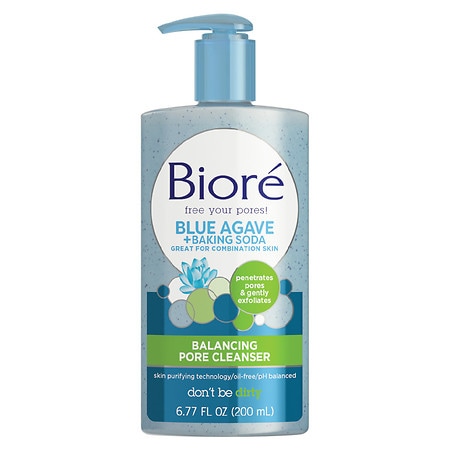
SkinCeuticals Gentle Cleanser Cream Unisex 6.8 oz
Analysis updated July 2026 · How Scout scores
At a glance
Summary
This face wash contains beneficial ingredients like glycerin, cetyl alcohol, and allantoin, which are known for their moisturizing and soothing properties. However, the presence of phenoxyethanol, a preservative that can cause irritation, and PEG compounds, which are synthetic emulsifiers, slightly detracts from its overall safety profile. The product is moderately processed, which also influences its rating.
Key ingredients 27
glycerinGood
Glycerin is a humectant that attracts moisture to the skin, making it a popular ingredient in skincare. It helps to maintain skin hydration and improve barrier function. It is well-tolerated and beneficial for most skin types.
Risks
There are minimal risks associated with glycerin, though overuse can lead to a sticky feel.
Benefits
Glycerin helps to keep the skin hydrated and soft, enhancing overall skin health.
citrus aurantium dulcis oil / orange peel oilGood
Orange peel oil is a natural essential oil used for its fragrance and potential skin benefits. It has antioxidant properties and can help to refresh the skin. It is generally considered safe when used in appropriate concentrations.
Risks
There is a risk of skin irritation and photosensitivity, especially in high concentrations.
Benefits
It provides a pleasant scent and has potential antioxidant benefits for the skin.
allantoinGood
Allantoin is a skin-soothing agent known for its ability to promote skin healing and reduce irritation. It is commonly used in skincare products for its calming properties. It is well-tolerated and beneficial for sensitive skin.
Risks
There are minimal risks associated with allantoin.
Benefits
It helps to soothe and protect the skin, promoting healing and reducing irritation.
glycolic acidGood
Glycolic acid is an alpha hydroxy acid (AHA) used for its exfoliating properties. It helps to remove dead skin cells and improve skin texture. It is effective in promoting skin renewal and enhancing radiance.
Risks
It can cause skin irritation and sensitivity, especially in high concentrations.
Benefits
It helps to exfoliate the skin, improving texture and promoting a brighter complexion.
aqua / water / eauNeutral
Water is a common solvent used in cosmetic formulations. It helps dissolve other ingredients and provides a base for the product. It is generally considered safe and non-irritating.
Risks
There are no significant risks associated with water in cosmetics.
Benefits
Water helps to hydrate the skin and is essential for the formulation of many cosmetic products.
c12-15 alkyl benzoateNeutral
C12-15 alkyl benzoate is an emollient that helps to improve the texture and spreadability of products. It is commonly used in cosmetics for its skin-conditioning properties. It is generally considered safe for use in cosmetics.
Risks
There is a low risk of skin irritation for sensitive individuals.
Benefits
It provides a silky feel to the skin and helps to lock in moisture.
propanediolNeutral
Propanediol is used as a solvent and skin-conditioning agent in cosmetics. It helps to improve the texture and absorption of products. It is generally considered safe and non-irritating.
Risks
There is a low risk of skin irritation, particularly for sensitive skin.
Benefits
Propanediol enhances the penetration of other ingredients and provides a smooth application.
cetyl alcoholNeutral
Standard formulation ingredient — neither beneficial nor harmful at typical use.
Risks
There is a low risk of irritation, but it is generally considered safe.
Benefits
Cetyl alcohol helps to improve the texture of products and provides moisturizing benefits.
methyl gluceth-20Neutral
Methyl gluceth-20 is a humectant and emollient that helps to hydrate the skin. It is derived from glucose and is considered safe for use in cosmetics. It is non-irritating and suitable for sensitive skin.
Risks
There are minimal risks associated with this ingredient.
Benefits
It helps to maintain skin moisture and improve the feel of the product.
neopentyl glycol dicaprateNeutral
Neopentyl glycol dicaprate is an emollient that provides a silky feel to the skin. It is used to enhance the texture and spreadability of cosmetic products. It is generally considered safe and non-irritating.
Risks
There is a low risk of skin irritation.
Benefits
It helps to improve the texture of products and provides a smooth application.
peg-100 stearateNeutral
PEG-100 stearate is an emulsifier that helps to blend oil and water-based ingredients. It is commonly used in cosmetics for its stabilizing properties. It is generally considered safe for use in cosmetics.
Risks
There is a potential risk of contamination with 1,4-dioxane, a byproduct of ethoxylation.
Benefits
It helps to stabilize formulations and improve product consistency.
glyceryl stearateNeutral
Glyceryl stearate is an emulsifier and emollient that helps to soften the skin. It is commonly used in cosmetics to improve texture and stability. It is generally considered safe and non-irritating.
Risks
There is a low risk of skin irritation.
Benefits
It helps to maintain skin moisture and improve product texture.
polyglyceryl-4 caprateNeutral
Polyglyceryl-4 caprate is an emulsifier that helps to blend ingredients in cosmetic formulations. It is derived from natural sources and is considered safe for use. It is non-irritating and suitable for sensitive skin.
Risks
There are minimal risks associated with this ingredient.
Benefits
It helps to stabilize formulations and improve product consistency.
capryl/capramidopropyl betaineNeutral
Capryl/capramidopropyl betaine is a mild surfactant used to cleanse the skin. It is derived from coconut oil and is considered gentle and non-irritating. It is suitable for sensitive skin and helps to improve product foaming.
Risks
There is a low risk of skin irritation.
Benefits
It provides gentle cleansing and helps to improve product foaming.
caprylyl glycolNeutral
Caprylyl glycol is a skin-conditioning agent and preservative booster. It helps to hydrate the skin and enhance the efficacy of preservatives. It is generally considered safe and non-irritating.
Risks
There is a low risk of skin irritation.
Benefits
It helps to maintain skin moisture and enhance preservative efficacy.
polysorbate 20Neutral
Polysorbate 20 is an emulsifier used to blend oil and water-based ingredients. It is commonly used in cosmetics for its stabilizing properties. It is generally considered safe for use in cosmetics.
Risks
There is a potential risk of skin irritation.
Benefits
It helps to stabilize formulations and improve product consistency.
sodium hydroxideNeutral
Sodium hydroxide is used to adjust the pH of cosmetic formulations. It is effective in small concentrations but can be irritating in higher amounts. It is generally considered safe when used appropriately.
Risks
It can cause skin irritation if used in high concentrations.
Benefits
It helps to maintain the desired pH of the product, ensuring stability and efficacy.
pentaerythrityl tetra-di-t-butyl hydroxyhydrocinnamateNeutral
This ingredient is an antioxidant used to stabilize cosmetic formulations. It helps to prevent the degradation of other ingredients. It is generally considered safe for use in cosmetics.
Risks
There are minimal risks associated with this ingredient.
Benefits
It helps to stabilize formulations and extend product shelf life.
polyquaternium-39Neutral
Polyquaternium-39 is a conditioning agent used to improve the texture and feel of cosmetic products. It helps to enhance the spreadability and smoothness of formulations. It is generally considered safe for use in cosmetics.
Risks
There is a low risk of skin irritation.
Benefits
It provides conditioning benefits and improves product texture.
sodium chlorideNeutral
Sodium chloride is used as a thickening agent and stabilizer in cosmetic formulations. It helps to improve the texture and consistency of products. It is generally considered safe for use in cosmetics.
Risks
There is a low risk of skin irritation.
Benefits
It helps to stabilize formulations and improve product texture.
peg-30 dipolyhydroxystearateNeutral
PEG-30 dipolyhydroxystearate is an emulsifier used to blend oil and water-based ingredients. It is commonly used in cosmetics for its stabilizing properties. It is generally considered safe for use in cosmetics.
Risks
There is a potential risk of contamination with 1,4-dioxane, a byproduct of ethoxylation.
Benefits
It helps to stabilize formulations and improve product consistency.
trideceth-6Neutral
Trideceth-6 is an emulsifier and surfactant used to improve the texture and spreadability of cosmetic products. It helps to blend ingredients and enhance product performance. It is generally considered safe for use in cosmetics.
Risks
There is a low risk of skin irritation.
Benefits
It helps to stabilize formulations and improve product texture.
phenoxyethanolBad
Phenoxyethanol is a preservative used to prevent microbial growth in cosmetics. It is effective but can be irritating to the skin and eyes. It is considered safe in low concentrations but has potential for irritation.
Risks
It can cause skin and eye irritation, especially in sensitive individuals.
Benefits
It helps to preserve the product and extend its shelf life.
limoneneBad
Processed additive flagged under Scout's ingredient doctrine.
Risks
It can cause skin irritation and sensitization, particularly in sensitive individuals.
Benefits
It provides a refreshing citrus scent and has potential antioxidant benefits.
acrylates/c10-30 alkyl acrylate crosspolymerBad
Processed additive flagged under Scout's ingredient doctrine.
Risks
There is a low risk of skin irritation.
Benefits
It helps to stabilize formulations and improve product texture.
disodium edtaBad
Processed additive flagged under Scout's ingredient doctrine.
Risks
There is a low risk of skin irritation.
Benefits
It helps to stabilize formulations and enhance product performance.
sodium benzoateBad
Synthetic preservative that can form benzene in the presence of vitamin C.
Risks
There is a low risk of skin irritation.
Benefits
It helps to preserve the product and extend its shelf life.
Get the full breakdown in the Scout appTake Scout shopping
Scan any product to see lab results, healthy alternatives, and your personalized analysis.
Download on theApp Store GET IT ONGoogle Play