
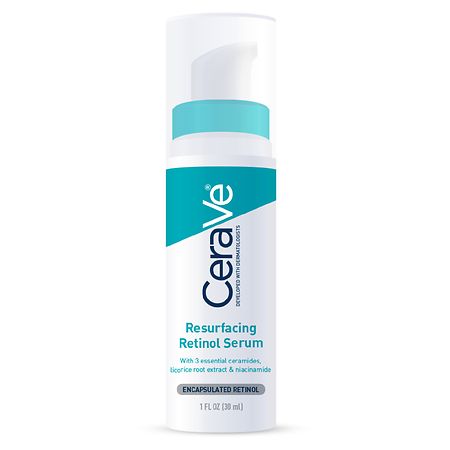



CeraVe Resurfacing Retinol Face Serum - 1 fl oz: Dark Spot Reduction, Skin Tone Improvement, Paraben-Free
Analysis updated August 2026 · How Scout scores
At a glance
Summary
This serum contains beneficial ingredients like niacinamide, retinol, and ceramides, which are known for their skin-enhancing properties, including improving skin texture and hydration. However, the presence of phenoxyethanol, a preservative that can cause irritation in some individuals, slightly lowers its safety profile. The product is moderately processed, which also impacts its overall rating.
Key ingredients 6
RetinolVery Good
Retinol is a derivative of Vitamin A that is widely used for its anti-aging benefits. It promotes cell turnover and stimulates collagen production, which can reduce the appearance of fine lines and wrinkles. It is also effective in improving skin tone and texture.
Risks
Retinol can cause irritation, dryness, and increased sensitivity to sunlight, especially when first introduced.
Benefits
It is effective in reducing signs of aging and improving skin clarity and brightness.
Ceramide APVery Good
Ceramide AP is another type of ceramide that supports the skin's barrier function and hydration. It works synergistically with other ceramides to enhance skin resilience and moisture retention. It is beneficial for dry and sensitive skin types.
Risks
Ceramide AP is typically well-tolerated, with minimal risk of irritation.
Benefits
It helps in maintaining skin hydration and protecting against environmental stressors.
NiacinamideGood
Niacinamide is a form of Vitamin B3 that is known for its anti-inflammatory properties and ability to improve skin texture. It helps in reducing redness and blotchiness, making it beneficial for sensitive skin. Additionally, it enhances the skin's barrier function.
Risks
Niacinamide is generally well-tolerated, but in rare cases, it may cause mild irritation or redness.
Benefits
It helps in reducing the appearance of enlarged pores, uneven skin tone, and fine lines.
Sodium HyaluronateGood
Sodium Hyaluronate is a salt form of Hyaluronic Acid, known for its ability to retain moisture in the skin. It helps in keeping the skin hydrated and plump, reducing the appearance of fine lines. It is suitable for all skin types, including sensitive skin.
Risks
There are minimal risks associated with Sodium Hyaluronate, though overuse can lead to excessive moisture retention.
Benefits
It provides intense hydration and helps maintain skin elasticity and firmness.
Ceramide NPGood
Ceramide NP is a lipid molecule that helps restore the skin's natural barrier and retain moisture. It is essential for maintaining skin hydration and protecting against environmental damage. Ceramides are naturally found in the skin and are crucial for healthy skin function.
Risks
Ceramide NP is generally safe, but in rare cases, it may cause mild irritation.
Benefits
It strengthens the skin barrier and improves moisture retention, leading to healthier skin.
PhenoxyethanolBad
Phenoxyethanol is a preservative used to prevent microbial growth in cosmetic products. While effective, it can cause skin irritation and allergic reactions in some individuals. It is often used as a safer alternative to parabens.
Risks
Phenoxyethanol can cause irritation, especially in sensitive skin, and has been linked to allergic reactions.
Benefits
It helps in preserving the product by preventing bacterial and fungal contamination.
Get the full breakdown in the Scout appTake Scout shopping
Scan any product to see lab results, healthy alternatives, and your personalized analysis.
Download on theApp Store GET IT ONGoogle PlayAmazon pricing & content
Amazon price as of . Product prices and availability are accurate as of the date/time indicated and are subject to change. Any price and availability information displayed on Amazon.com at the time of purchase will apply to the purchase of this product.
CERTAIN CONTENT THAT APPEARS ON THIS SITE COMES FROM AMAZON. THIS CONTENT IS PROVIDED “AS IS” AND IS SUBJECT TO CHANGE OR REMOVAL AT ANY TIME.