


At a glance
Summary
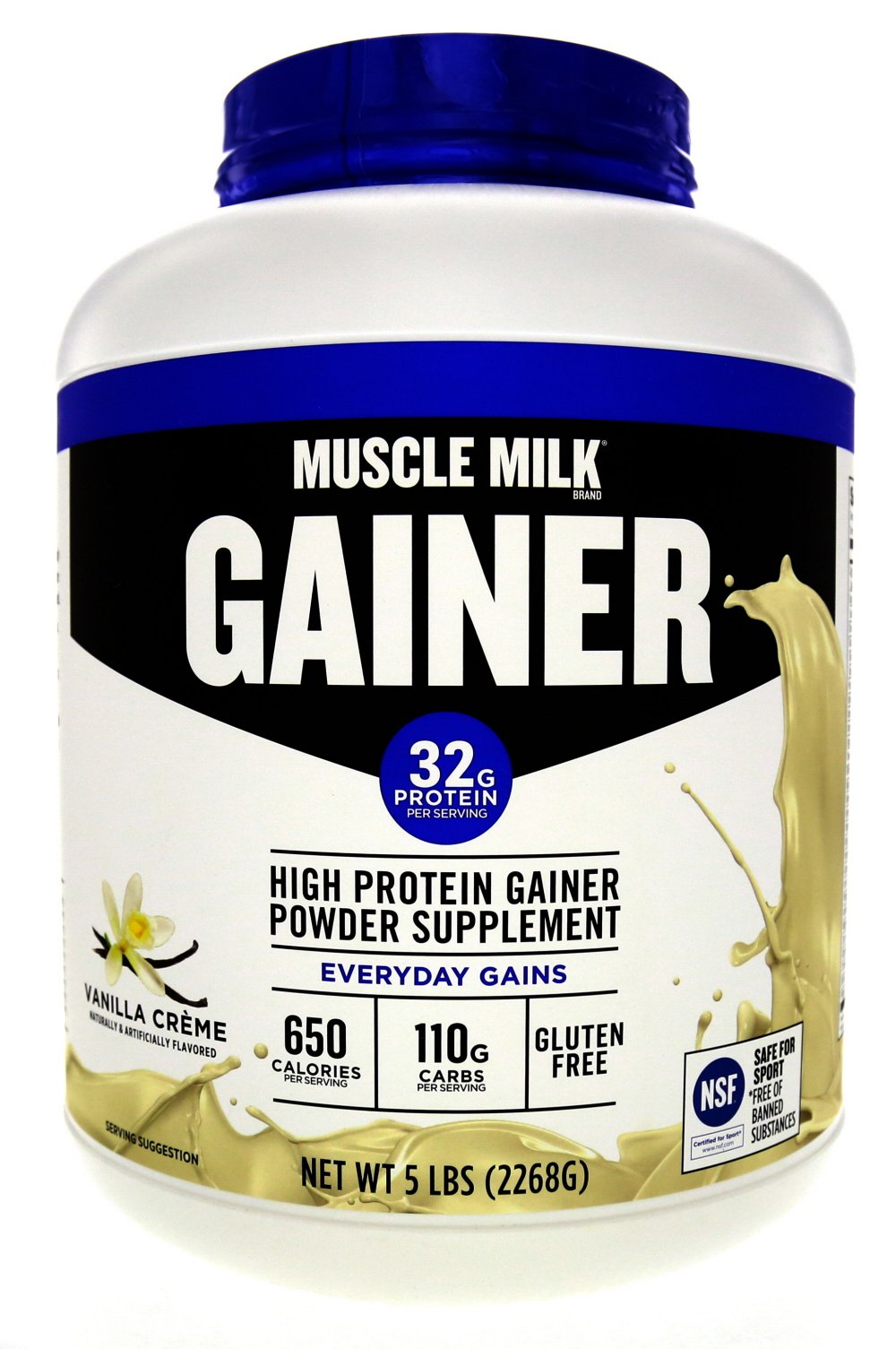
This muscle gainer contains high-quality whey protein concentrate and oat flour, which provide essential amino acids and complex carbohydrates. However, the presence of added sugar and sunflower lecithin, a processed emulsifier, slightly detracts from its overall healthiness. The product is moderately processed, but it includes beneficial vitamins and minerals, enhancing its nutritional profile.
Key ingredients 12
Whey Protein ConcentrateGood
Whey protein concentrate is a high-quality protein source rich in essential amino acids. It is derived from milk and is minimally processed, making it a superior choice for muscle building and recovery. Compared to plant-based proteins, it offers a more complete amino acid profile.
Benefits
Provides essential amino acids necessary for muscle repair and growth.
Oat FlourGood
Oat flour is a whole grain ingredient that provides complex carbohydrates and fiber. It is minimally processed and retains most of its nutritional value, including beta-glucans which support heart health. It is a healthier carbohydrate source compared to refined flours.
Risks
May contain gluten, which can be a concern for individuals with celiac disease or gluten sensitivity.
Benefits
Rich in fiber and beta-glucans, supporting digestive health and heart health.
Magnesium CitrateGood
Magnesium citrate is a bioavailable form of magnesium, an essential mineral important for muscle and nerve function. It is well-absorbed and supports various bodily functions, including energy production and bone health. It is a beneficial addition to supplements for its role in maintaining overall health.
Risks
Excessive intake may lead to digestive issues such as diarrhea.
Benefits
Supports muscle function, energy production, and bone health.
Pyridoxine Hydrochloride (B6)Good
Pyridoxine hydrochloride is a form of vitamin B6, essential for protein metabolism and cognitive development. It is crucial for the synthesis of neurotransmitters and red blood cells. Supplementation can be beneficial, especially for those with dietary deficiencies.
Benefits
Supports protein metabolism and cognitive health.
Pteroylmonoglutamic Acid (B9)Good
Pteroylmonoglutamic acid, or folic acid, is a synthetic form of vitamin B9 important for DNA synthesis and repair. It is crucial during periods of rapid growth, such as pregnancy. Supplementation helps prevent neural tube defects in developing fetuses.
Benefits
Essential for DNA synthesis and preventing birth defects.
Cholecalciferol (D3)Good
Cholecalciferol is a form of vitamin D3 that supports calcium absorption and bone health. It is crucial for maintaining healthy bones and immune function. Supplementation is beneficial, especially in regions with limited sunlight exposure.
Risks
Excessive intake can lead to hypercalcemia, a condition of elevated calcium levels in the blood.
Benefits
Supports bone health and immune function.
Cyanocobalamin (B12)Good
Cyanocobalamin is a synthetic form of vitamin B12 essential for nerve function and red blood cell production. It is particularly important for vegetarians and vegans who may not get enough B12 from their diet. It supports energy metabolism and neurological health.
Benefits
Supports nerve function and energy metabolism.
Zinc BisglycinateGood
Zinc bisglycinate is a highly bioavailable form of zinc, an essential mineral for immune function and wound healing. It is well-absorbed and supports various enzymatic reactions in the body. Supplementation can be beneficial for maintaining immune health.
Risks
Excessive intake can lead to zinc toxicity, causing nausea and immune dysfunction.
Benefits
Supports immune function and enzymatic reactions.
Oat ExtractNeutral
Oat extract is derived from oats and is used for its potential health benefits, including antioxidant properties. It is a natural ingredient with minimal processing. However, its contribution to the overall nutritional profile is limited.
Risks
May contain gluten, which can be a concern for individuals with celiac disease or gluten sensitivity.
Benefits
Contains antioxidants that may support overall health.
SugarBad
Sugar is a simple carbohydrate that provides quick energy but lacks nutritional value. Excessive consumption can lead to health issues such as obesity and insulin resistance. It is often added to enhance flavor but should be consumed in moderation.
Risks
High intake can contribute to obesity, diabetes, and dental issues.
Benefits
Provides quick energy but should be consumed in moderation.
Natural FlavorsBad
Umbrella term that can hide dozens of undisclosed synthetic constituents.
Risks
Lack of transparency in composition may be a concern for some consumers.
Benefits
Enhances flavor without adding calories.
Sunflower LecithinBad
Sunflower lecithin is used as an emulsifier to improve texture and mixability. While it is derived from sunflower seeds, it is a processed ingredient that may contain residual solvents. It is not as harmful as seed oils but does not provide significant nutritional benefits.
Risks
May contain residual solvents from processing.
Benefits
Improves texture and mixability of products.
Processing
Ultra-Processed Foods
Get the full breakdown in the Scout appTake Scout shopping
Scan any product to see lab results, healthy alternatives, and your personalized analysis.
Download on theApp Store GET IT ONGoogle Play