


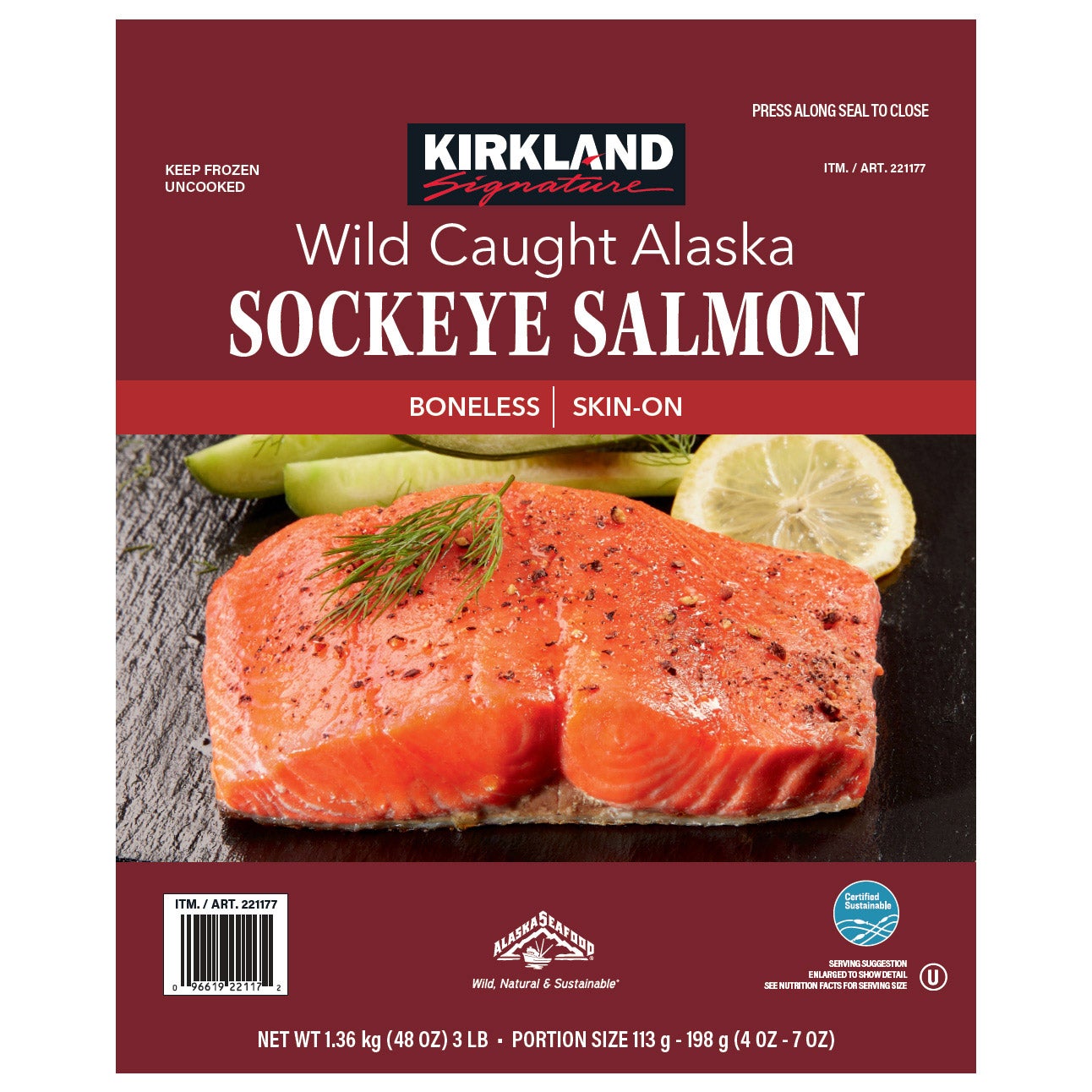


Smoked Paprika Wild Alaskan Sockeye Salmon
Analysis updated July 2026 · How Scout scores
At a glance
Summary
This product contains high-quality sockeye salmon, which is a good source of protein and omega-3 fatty acids, along with beneficial spices and vegetables like garlic, paprika, and red bell pepper. However, the inclusion of canola oil, a highly processed seed oil, detracts from its overall healthiness. The product's processing level also limits its score, as it is not minimally processed.
Key ingredients 11
Sockeye SalmonVery Good
Sockeye salmon is a high-quality source of protein and omega-3 fatty acids. It is rich in essential nutrients like vitamin D and selenium. Wild-caught salmon is generally considered superior due to its natural diet and lower contaminant levels.
Benefits
Provides essential omega-3 fatty acids that support heart and brain health. Rich in high-quality protein and essential vitamins and minerals.
SpicesGood
Spices add flavor and may provide antioxidant properties. They are minimally processed and can enhance the nutritional profile of foods. The specific spices used are not detailed, but they generally contribute positively to health.
Benefits
May provide antioxidants and enhance flavor without adding calories.
GarlicGood
Garlic is known for its potential health benefits, including antimicrobial and cardiovascular support. It contains allicin, which may help reduce cholesterol levels. Fresh or minimally processed garlic retains most of its beneficial properties.
Benefits
May support heart health and provide antimicrobial benefits.
PaprikaGood
Paprika is a spice rich in antioxidants and vitamins like vitamin A. It adds flavor and color to dishes. The processing of paprika is minimal, preserving its nutritional benefits.
Benefits
Rich in antioxidants and vitamins, contributing to overall health.
OnionGood
Onion is a vegetable that provides flavor and potential health benefits, including anti-inflammatory properties. It contains quercetin, an antioxidant that may support heart health. Onions are minimally processed and retain their nutritional value.
Benefits
May provide anti-inflammatory benefits and support heart health.
Red Bell PepperGood
Red bell pepper is rich in vitamins A and C and provides antioxidants. It adds color and flavor to dishes. The minimal processing of bell peppers helps retain their nutritional benefits.
Benefits
Rich in vitamins and antioxidants, supporting immune health.
WaterNeutral
Water is used as a basic ingredient and does not contribute significant nutritional value. It acts as a medium for other ingredients. No processing concerns are associated with water in this context.
See more about Water →SaltNeutral
Salt is used for flavor enhancement and preservation. It is a common culinary ingredient with no significant processing concerns. Excessive consumption can lead to health issues like hypertension.
Risks
Excessive sodium intake can contribute to high blood pressure and cardiovascular issues.
Natural Alderwood SmokeNeutral
Natural alderwood smoke is used for flavoring and preservation. It is a traditional method of smoking that does not involve artificial additives. The health impact is neutral as it primarily affects taste.
Brown SugarBad
Processed additive flagged under Scout's ingredient doctrine.
Risks
Excessive consumption can contribute to weight gain and metabolic issues.
Benefits
Provides flavor and color, but minimal nutritional benefits.
Canola OilVery Bad
Canola oil is a seed oil high in omega-6 fatty acids, which can promote inflammation when consumed in excess. It is often highly processed and refined. The extraction process may involve chemical solvents, reducing its nutritional quality.
Risks
High omega-6 content may promote inflammation when consumed in excess.
Processing
Processed Foods
Get the full breakdown in the Scout appTake Scout shopping
Scan any product to see lab results, healthy alternatives, and your personalized analysis.
Download on theApp Store GET IT ONGoogle Play