


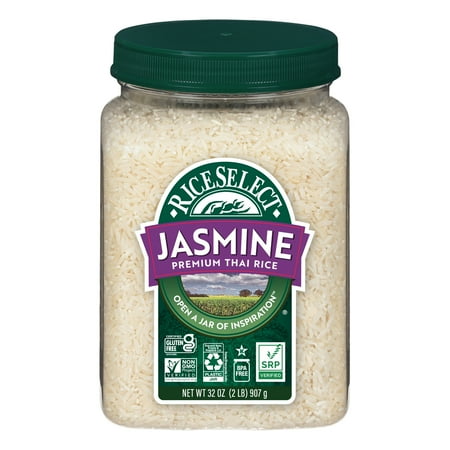
90 Second Microwavable White Rice Jasmine
Analysis updated September 2026 · How Scout scores
At a glance
Summary
This microwavable rice product contains sunflower and/or canola oil, which are seed oils known for their high omega-6 fatty acid content and potential to promote inflammation. The presence of soy lecithin, a processed emulsifier, further contributes to its processed nature. While the product is convenient, the use of these ingredients and its processing level limit its healthfulness compared to less processed whole grains.
Key ingredients 5
White jasmine riceNeutral
White jasmine rice is a refined grain that provides carbohydrates as a primary energy source. It lacks the fiber and nutrients found in whole grains due to the removal of the bran and germ. While it is a staple food in many diets, it offers limited nutritional benefits compared to whole grain alternatives.
Risks
Consumption of refined grains like white rice may contribute to spikes in blood sugar levels.
Benefits
Provides a quick source of energy and is easy to digest, making it suitable for those with sensitive digestive systems.
WaterNeutral
Water is used as a cooking medium and does not contribute any calories or nutrients. It is essential for hydration and cooking processes. In this product, it serves to hydrate the rice during microwaving.
Benefits
Essential for hydration and necessary for cooking the rice properly.
Acacia gumNeutral
Acacia gum is a natural gum used as a stabilizer and thickener in food products. It is derived from the sap of the acacia tree and is considered safe for consumption. While it does not provide significant nutritional benefits, it is a natural alternative to synthetic additives.
Risks
Excessive consumption may cause digestive discomfort in some individuals.
Benefits
May have prebiotic effects, supporting gut health by promoting beneficial bacteria.
Soy lecithinBad
Soy lecithin is an emulsifier derived from soybeans, often used to improve texture and shelf life. It is a processed ingredient that may contain traces of soy allergens. While it is generally recognized as safe, it is not a whole food and offers limited nutritional value.
Risks
May contain soy allergens, which can be a concern for individuals with soy allergies.
Sunflower and/or canola oilVery Bad
Sunflower and canola oils are seed oils high in omega-6 fatty acids, which can promote inflammation when consumed in excess. These oils are often highly processed and may contain trans fats. Their use in processed foods is discouraged due to potential negative health impacts.
Risks
High omega-6 content may promote inflammation and contribute to an imbalance in the omega-3 to omega-6 ratio.
Processing
Processed Foods
Get the full breakdown in the Scout appTake Scout shopping
Scan any product to see lab results, healthy alternatives, and your personalized analysis.
Download on theApp Store GET IT ONGoogle Play