



At a glance
Summary
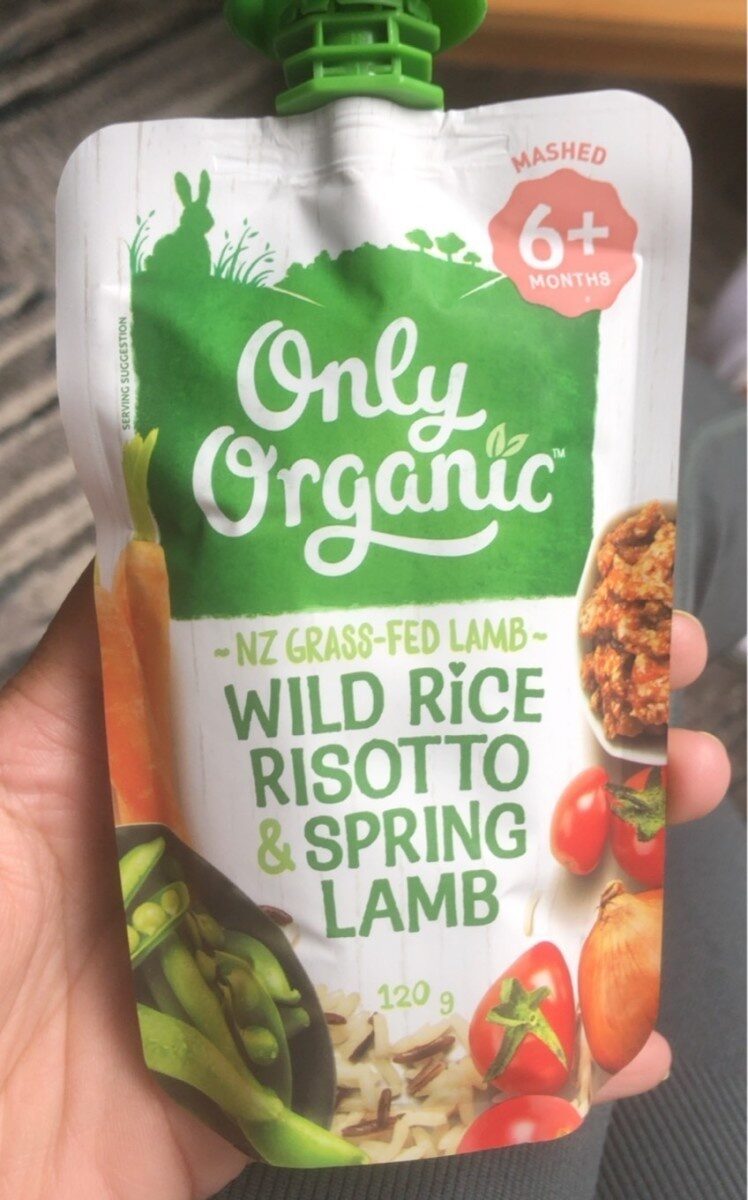
This asparagus risotto is ultra-processed, which limits its potential health score despite containing some beneficial ingredients like asparagus, whey, and eggs. The presence of sunflower seed oil, a refined oil high in omega-6 fatty acids, contributes to inflammation concerns. Additionally, the use of multiple processed ingredients and additives further impacts its overall health rating.
Key ingredients 15
AsparagusVery Good
Asparagus is a nutrient-dense vegetable rich in vitamins A, C, E, and K. It provides antioxidants and dietary fiber, supporting digestive health. Its low-calorie content makes it a healthy addition to meals.
Benefits
Rich in vitamins and antioxidants, supporting overall health and digestion.
Rehydrated WheyGood
Whey is a high-quality protein source with a complete amino acid profile. It is beneficial for muscle repair and growth. Derived from milk, it is a natural byproduct of cheese production.
Risks
May cause allergic reactions in individuals with milk allergies.
Benefits
Supports muscle growth and repair due to its rich amino acid content.
CreamGood
Traditional whole-fat dairy ingredient.
Risks
High in saturated fats, which may contribute to heart disease if consumed in excess.
Benefits
Adds flavor and texture to dishes, providing some vitamins and minerals.
OnionGood
Onions are a flavorful vegetable rich in antioxidants and vitamin C. They have anti-inflammatory properties and can enhance the taste of dishes. Onions are low in calories and provide dietary fiber.
Risks
May cause digestive discomfort in some individuals.
Benefits
Rich in antioxidants and vitamin C, supporting immune health and reducing inflammation.
EggsGood
Eggs are a high-quality protein source with essential amino acids. They provide vitamins and minerals, including B vitamins and choline. Eggs are versatile and support muscle and brain health.
Risks
May cause allergic reactions in some individuals.
Benefits
Rich in protein and nutrients, supporting muscle and brain health.
CeleryGood
Celery is a low-calorie vegetable rich in vitamins and antioxidants. It provides dietary fiber and supports digestive health. Celery is hydrating and can add flavor to dishes.
Benefits
Rich in vitamins and fiber, supporting digestion and hydration.
GarlicGood
Garlic is known for its strong flavor and health benefits, including antimicrobial properties. It contains compounds like allicin that support heart health. Garlic is a natural ingredient that enhances the taste of dishes.
Risks
May cause digestive discomfort in some individuals.
Benefits
Supports heart health and has antimicrobial properties.
White PepperGood
Beneficial ingredient — whole-food or functional value in this product class.
Benefits
Adds flavor and contains some antioxidants.
Precooked RiceNeutral
Precooked rice is a convenient source of carbohydrates. It is minimally processed but lacks significant nutritional benefits beyond energy provision. The inclusion of salt in the cooking process may increase sodium content.
Risks
Excessive consumption may contribute to high sodium intake.
Benefits
Provides a quick source of energy and is easy to digest.
Hard Grating CheeseNeutral
Hard grating cheese provides flavor and a source of calcium and protein. It is made from pasteurized milk and aged for flavor development. While nutritious, it is also high in sodium and saturated fats.
Risks
High in sodium and saturated fats, which may impact heart health if consumed in excess.
Benefits
Provides calcium and protein, supporting bone health and muscle function.
ButterNeutral
Butter is a dairy product that adds flavor and richness to dishes. It contains saturated fats and some vitamins like A and D. While it enhances taste, its high-fat content should be moderated.
Risks
High in saturated fats, which may contribute to heart disease if consumed in excess.
Benefits
Adds flavor and provides vitamins A and D.
Vegetable BrothNeutral
Vegetable broth adds flavor and moisture to dishes. It is made from a blend of vegetables and spices, providing some nutrients. However, it may be high in sodium depending on preparation.
Risks
May be high in sodium, contributing to increased blood pressure if consumed in excess.
Benefits
Adds flavor and moisture, with some nutrient content from vegetables.
SaltNeutral
Salt is used to enhance flavor and preserve food. It is a natural mineral but should be consumed in moderation due to its impact on blood pressure. Salt is essential for bodily functions but often overconsumed.
Risks
Excessive intake can lead to high blood pressure and related health issues.
Benefits
Essential for bodily functions and enhances flavor.
NutmegNeutral
Nutmeg is a spice that adds warmth and flavor to dishes. It contains antioxidants and has been used in traditional medicine. While beneficial in small amounts, it should be used sparingly.
Risks
Excessive consumption can lead to toxicity and adverse effects.
Benefits
Contains antioxidants and adds flavor to dishes.
Sunflower Seed OilVery Bad
Sunflower seed oil is high in omega-6 fatty acids, which can promote inflammation when consumed in excess. It is a refined oil often used for cooking due to its high smoke point. The processing methods can strip beneficial nutrients.
Risks
High omega-6 content may promote inflammation when consumed in excess.
Processing
Ultra-Processed Foods
Get the full breakdown in the Scout appTake Scout shopping
Scan any product to see lab results, healthy alternatives, and your personalized analysis.
Download on theApp Store GET IT ONGoogle Play