
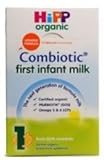


HiPP Organic First Infant Milk Stage 1 (From Birth Onwards), 800g
Analysis updated August 2026 · How Scout scores
At a glance
Summary
This infant formula contains high-quality organic ingredients such as skimmed milk, whey, and lactose, which provide essential nutrients for infant development. The inclusion of beneficial oils like fish oil and Mortierella alpina oil supports brain and eye health. However, the product is processed and contains several additives, which limits its score despite the organic certification and absence of harmful substances.
Key ingredients 34
Organic skimmed milkGood
Organic skimmed milk is a high-quality source of protein and essential nutrients. Being organic, it is free from synthetic pesticides and hormones. It provides a clean base for infant nutrition.
Benefits
Provides essential proteins and calcium necessary for infant growth and development.
Organic whey productGood
Organic whey product is a rich source of high-quality protein and amino acids. It is derived from milk and supports muscle development and repair. The organic certification ensures it is free from harmful additives.
Benefits
Supports muscle growth and provides essential amino acids for infant development.
Organic lactoseGood
Organic lactose is a natural sugar found in milk that provides energy. It is essential for the absorption of calcium and other minerals. Being organic, it is free from synthetic additives.
Benefits
Supports energy needs and aids in the absorption of calcium and other nutrients.
Organic galacto-oligosaccharidesGood
Organic galacto-oligosaccharides are prebiotics that support gut health by promoting beneficial bacteria. Derived from lactose, they enhance digestive health. The organic certification ensures purity and safety.
Benefits
Promotes healthy gut flora and supports digestive health in infants.
Fish oilGood
Fish oil is a rich source of omega-3 fatty acids, crucial for brain and eye development. It provides DHA and EPA, essential for cognitive function. The inclusion of fish oil in infant formula supports overall development.
Benefits
Supports brain and eye development with essential omega-3 fatty acids.
Mortierella alpina oilGood
Mortierella alpina oil is a source of arachidonic acid (ARA), an omega-6 fatty acid important for brain development. It complements DHA from fish oil for balanced infant nutrition. The oil is derived from a fungus, ensuring a stable and safe source of ARA.
Benefits
Provides ARA, supporting brain development and cognitive function in infants.
CholineGood
Choline is an essential nutrient that supports brain development and function. It is crucial for the formation of cell membranes and neurotransmitters. Its inclusion in infant formula aids cognitive development.
Benefits
Supports brain development and cognitive function in infants.
Magnesium carbonateGood
Beneficial ingredient — whole-food or functional value in this product class.
Benefits
Supports muscle and nerve function and contributes to bone health.
Vitamin CGood
Vitamin C is an essential nutrient that supports immune function and collagen synthesis. It acts as an antioxidant, protecting cells from damage. Its inclusion in infant formula supports overall health and development.
Benefits
Supports immune function and acts as an antioxidant, protecting cells from damage.
Vitamin EGood
Vitamin E is an antioxidant that protects cells from oxidative damage. It supports immune function and skin health. Its inclusion in infant formula ensures adequate intake for overall health.
Benefits
Acts as an antioxidant, supporting immune function and protecting cells from damage.
NiacinGood
Beneficial ingredient — whole-food or functional value in this product class.
Benefits
Supports energy metabolism and contributes to healthy skin and nerve function.
Vitamin AGood
Vitamin A is essential for vision, immune function, and cell growth. It supports skin health and the development of mucous membranes. Its inclusion in infant formula ensures adequate intake for overall health.
Benefits
Supports vision, immune function, and cell growth in infants.
Vitamin DGood
Vitamin D is essential for calcium absorption and bone health. It supports immune function and muscle strength. Its inclusion in infant formula ensures adequate intake for overall health and development.
Benefits
Supports calcium absorption and bone health, contributing to overall growth and development.
Vitamin B12Good
Beneficial ingredient — whole-food or functional value in this product class.
Benefits
Supports red blood cell formation and neurological function in infants.
Organic vegetable oilsNeutral
Organic vegetable oils provide essential fatty acids necessary for brain development. The inclusion of palm, rapeseed, and sunflower oils offers a balanced fatty acid profile. However, the presence of rapeseed oil, a seed oil, is typically discouraged, but its organic nature mitigates some concerns.
Risks
High omega-6 content in rapeseed oil may promote inflammation if consumed in excess.
Benefits
Provides essential fatty acids crucial for brain and eye development in infants.
Potassium chlorideNeutral
Potassium chloride is used to provide essential potassium, an important electrolyte. It helps maintain fluid balance and supports nerve function. Its inclusion in infant formula is standard for nutritional balance.
Risks
Excessive intake may lead to hyperkalemia, but this is unlikely in controlled formula amounts.
Benefits
Supports electrolyte balance and proper nerve and muscle function.
Sodium citrateNeutral
Sodium citrate is used as an acidity regulator and stabilizer in infant formula. It helps maintain the pH balance and prevents curdling. Its use is standard in processed foods for stability.
Benefits
Helps maintain pH balance and stability in the formula.
L-phenylalanineNeutral
L-phenylalanine is an essential amino acid necessary for protein synthesis. It supports growth and development in infants. Its inclusion ensures a complete amino acid profile in the formula.
Risks
Excessive intake may lead to health issues in individuals with phenylketonuria (PKU), but this is controlled in formula amounts.
Benefits
Supports protein synthesis and growth in infants.
Calcium salts of orthophosphoric acidNeutral
Calcium salts of orthophosphoric acid provide essential calcium and phosphorus. These minerals are crucial for bone development and strength. Their inclusion ensures adequate mineral intake in infants.
Benefits
Supports bone development and mineral balance in infants.
L-tryptophanNeutral
L-tryptophan is an essential amino acid important for protein synthesis and serotonin production. It supports mood regulation and sleep. Its inclusion in infant formula ensures a balanced amino acid profile.
Benefits
Supports protein synthesis and contributes to mood regulation and sleep.
Calcium carbonateNeutral
Calcium carbonate is a source of calcium, essential for bone development and strength. It is commonly used in infant formulas to ensure adequate calcium intake. Its inclusion supports skeletal health in infants.
Benefits
Supports bone development and provides essential calcium for infants.
L-histidineNeutral
L-histidine is an essential amino acid necessary for growth and tissue repair. It supports immune function and the production of histamine. Its inclusion in infant formula ensures a complete amino acid profile.
Benefits
Supports growth, tissue repair, and immune function in infants.
Zinc sulphateNeutral
Zinc sulphate provides essential zinc, important for immune function and growth. It supports enzyme activity and DNA synthesis. Its inclusion in infant formula ensures adequate zinc intake.
Benefits
Supports immune function and growth in infants.
Ferrous sulphateNeutral
Ferrous sulphate is a source of iron, essential for oxygen transport and cognitive development. It supports the production of hemoglobin and myoglobin. Its inclusion in infant formula prevents iron deficiency anemia.
Risks
Excessive intake may cause gastrointestinal discomfort, but this is controlled in formula amounts.
Benefits
Supports oxygen transport and cognitive development in infants.
Pantothenic acidNeutral
Pantothenic acid, or vitamin B5, is essential for energy metabolism and the synthesis of coenzyme A. It supports the production of hormones and cholesterol. Its inclusion in infant formula ensures adequate intake for growth and development.
Benefits
Supports energy metabolism and the synthesis of essential compounds in the body.
Cupric sulphateNeutral
Cupric sulphate provides essential copper, important for iron metabolism and the formation of red blood cells. It supports immune function and bone health. Its inclusion in infant formula ensures adequate copper intake.
Benefits
Supports iron metabolism and contributes to immune function and bone health.
Vitamin B1Neutral
Vitamin B1, or thiamine, is essential for energy metabolism and nerve function. It supports the conversion of carbohydrates into energy. Its inclusion in infant formula ensures adequate intake for growth and development.
Benefits
Supports energy metabolism and nerve function in infants.
Potassium iodateNeutral
Potassium iodate provides essential iodine, important for thyroid function and hormone production. It supports growth and development in infants. Its inclusion in infant formula ensures adequate iodine intake.
Risks
Excessive intake may affect thyroid function, but this is controlled in formula amounts.
Benefits
Supports thyroid function and hormone production in infants.
Vitamin B6Neutral
Vitamin B6 is essential for protein metabolism and the production of neurotransmitters. It supports brain development and immune function. Its inclusion in infant formula ensures adequate intake for growth and development.
Benefits
Supports protein metabolism and contributes to brain development and immune function.
Folic acidNeutral
Folic acid is essential for DNA synthesis and cell division. It supports the development of the nervous system and prevents neural tube defects. Its inclusion in infant formula ensures adequate intake for growth and development.
Benefits
Supports DNA synthesis and the development of the nervous system in infants.
Sodium seleniteNeutral
Sodium selenite provides essential selenium, important for antioxidant defense and immune function. It supports thyroid health and DNA synthesis. Its inclusion in infant formula ensures adequate selenium intake.
Risks
Excessive intake may lead to selenium toxicity, but this is controlled in formula amounts.
Benefits
Supports antioxidant defense and immune function in infants.
Vitamin KNeutral
Vitamin K is essential for blood clotting and bone health. It supports the synthesis of proteins involved in coagulation. Its inclusion in infant formula ensures adequate intake for overall health.
Benefits
Supports blood clotting and bone health in infants.
Manganese sulphateNeutral
Manganese sulphate provides essential manganese, important for bone development and metabolism. It supports enzyme activity and antioxidant defense. Its inclusion in infant formula ensures adequate manganese intake.
Benefits
Supports bone development and contributes to metabolism and antioxidant defense.
D-biotinNeutral
D-biotin, or vitamin B7, is essential for energy metabolism and the synthesis of fatty acids. It supports skin health and hair growth. Its inclusion in infant formula ensures adequate intake for growth and development.
Benefits
Supports energy metabolism and contributes to skin health and hair growth.
Processing
Processed Foods
Get the full breakdown in the Scout appTake Scout shopping
Scan any product to see lab results, healthy alternatives, and your personalized analysis.
Download on theApp Store GET IT ONGoogle Play