


At a glance
Summary
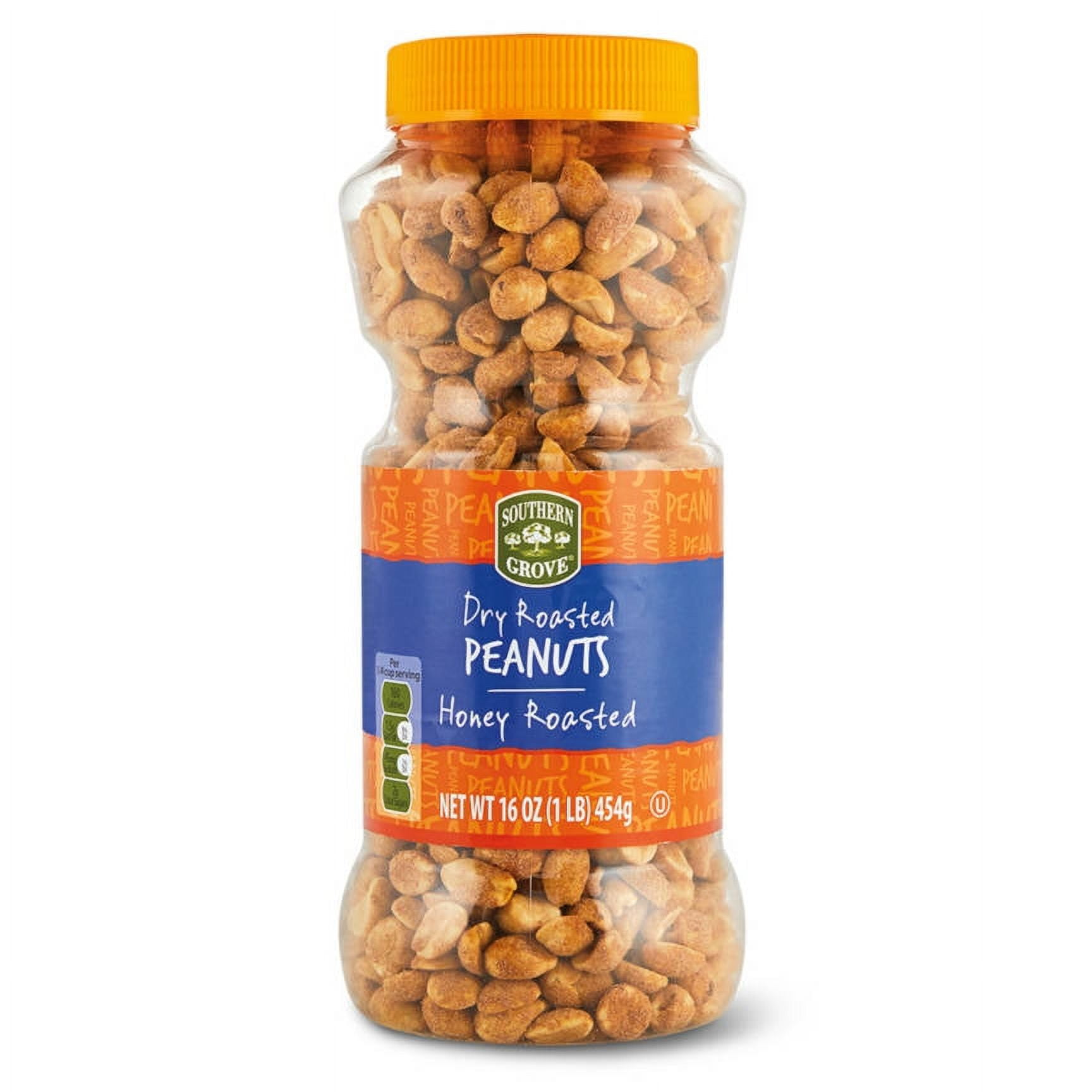
Honey Roasted Peanuts are moderately processed and contain both beneficial and harmful ingredients. While peanuts provide protein and healthy fats, the addition of refined sugar and maltodextrin contributes to a higher glycemic index and reduced nutritional value. The presence of these processed ingredients limits the healthfulness of the product compared to whole nuts.
Key ingredients 7
PeanutsGood
Peanuts are a good source of protein and healthy fats. They contain essential nutrients like magnesium and vitamin E. As a whole food, they provide dietary fiber and antioxidants.
Risks
Potential allergen for some individuals, which can cause severe allergic reactions.
Benefits
Rich in monounsaturated fats that support heart health and provide protein for muscle maintenance.
HoneyGood
Traditional whole-food sweetener with trace enzymes and antioxidants.
Risks
High sugar content can contribute to weight gain if consumed in excess.
Benefits
Contains antioxidants and may have antimicrobial properties.
Sea SaltGood
Sea salt is a natural source of sodium and trace minerals. It is less processed than table salt and can enhance flavor. Provides essential electrolytes for bodily functions.
Risks
Excessive sodium intake can lead to hypertension and cardiovascular issues.
Benefits
Provides essential minerals and can help maintain electrolyte balance.
Modified Potato StarchNeutral
Modified potato starch is used as a thickener and stabilizer. It is a processed ingredient but generally considered safe. Provides no significant nutritional value.
See more about Modified Potato Starch →Xanthan GumNeutral
Xanthan gum is a polysaccharide used as a thickening agent. It is generally recognized as safe and used in small quantities. Provides no nutritional value but improves texture and stability in foods.
Risks
May cause digestive issues in sensitive individuals when consumed in large amounts.
Benefits
Improves texture and stability in food products.
SugarBad
Refined sugar is associated with increased risk of obesity and metabolic disorders. It provides empty calories with no nutritional benefits. Excessive consumption can lead to dental issues and insulin resistance.
Risks
High intake can contribute to weight gain and increase the risk of type 2 diabetes.
MaltodextrinBad
Maltodextrin is a highly processed carbohydrate used as a thickener and filler. It has a high glycemic index and can spike blood sugar levels. Provides no nutritional benefits and is often used in processed foods.
Risks
May cause blood sugar spikes and is not suitable for diabetics.
Processing
Processed Foods
Get the full breakdown in the Scout appTake Scout shopping
Scan any product to see lab results, healthy alternatives, and your personalized analysis.
Download on theApp Store GET IT ONGoogle Play