


At a glance
Summary
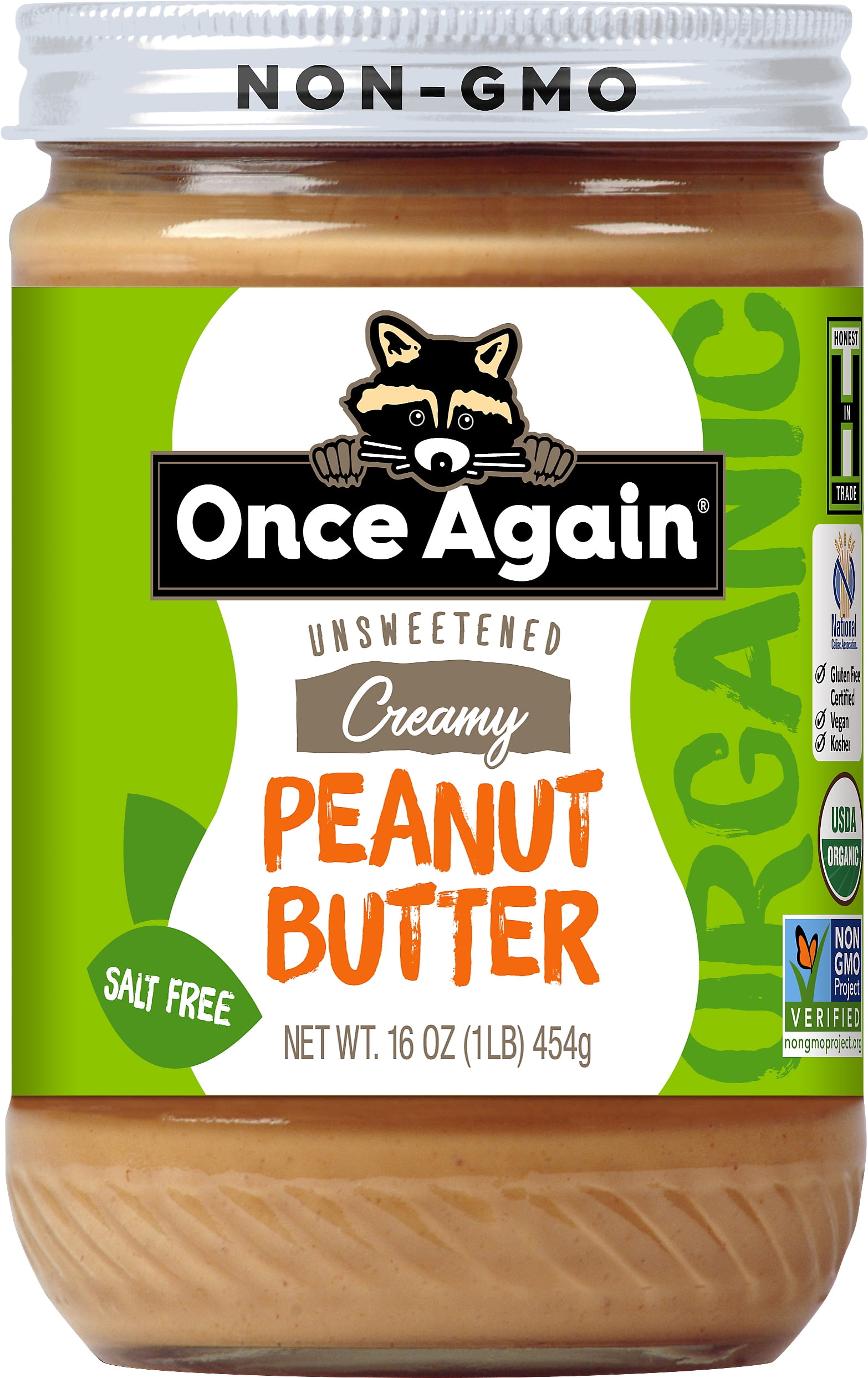
This peanut butter spread contains beneficial dry roasted peanuts, which are a good source of protein and healthy fats. However, the presence of added cane sugar and palm oil contributes to its processed nature, which limits its health benefits. The product's processing level and added sugars prevent it from achieving a higher rating despite its otherwise simple ingredient list.
Key ingredients 5
Dry roasted peanutsGood
Dry roasted peanuts are a good source of protein and healthy fats. They provide essential nutrients like magnesium and vitamin E. The roasting process enhances flavor without adding unhealthy fats.
Risks
Peanuts can be allergenic and may cause severe reactions in sensitive individuals.
Benefits
Rich in protein and healthy monounsaturated fats, supporting heart health and providing essential nutrients.
SaltNeutral
Salt is used to enhance flavor and preserve food. In moderation, it is essential for maintaining fluid balance and nerve function. Excessive intake can lead to hypertension and cardiovascular issues.
Risks
High sodium intake is associated with increased blood pressure and cardiovascular risk.
Benefits
Essential for fluid balance and nerve function when consumed in moderation.
MolassesNeutral
Molasses is a byproduct of sugar refining that retains some vitamins and minerals. It provides a distinct flavor and color to foods. While it contains more nutrients than refined sugar, it should still be consumed in moderation.
Risks
Excessive consumption can contribute to high sugar intake and related health issues.
Benefits
Contains trace amounts of vitamins and minerals, offering slightly more nutritional value than refined sugar.
Cane sugarBad
Cane sugar is a refined sugar that can contribute to increased calorie intake without providing essential nutrients. Excessive consumption is linked to obesity and metabolic disorders. It lacks the nutritional benefits found in less processed sweeteners.
Risks
High intake of refined sugars can lead to weight gain, insulin resistance, and increased risk of chronic diseases.
Palm oilBad
Processed additive flagged under Scout's ingredient doctrine.
Risks
Environmental impact due to deforestation and habitat destruction is a major concern.
Benefits
Provides a stable cooking oil option with a balanced fatty acid profile.
Processing
Processed Foods
Get the full breakdown in the Scout appTake Scout shopping
Scan any product to see lab results, healthy alternatives, and your personalized analysis.
Download on theApp Store GET IT ONGoogle Play