

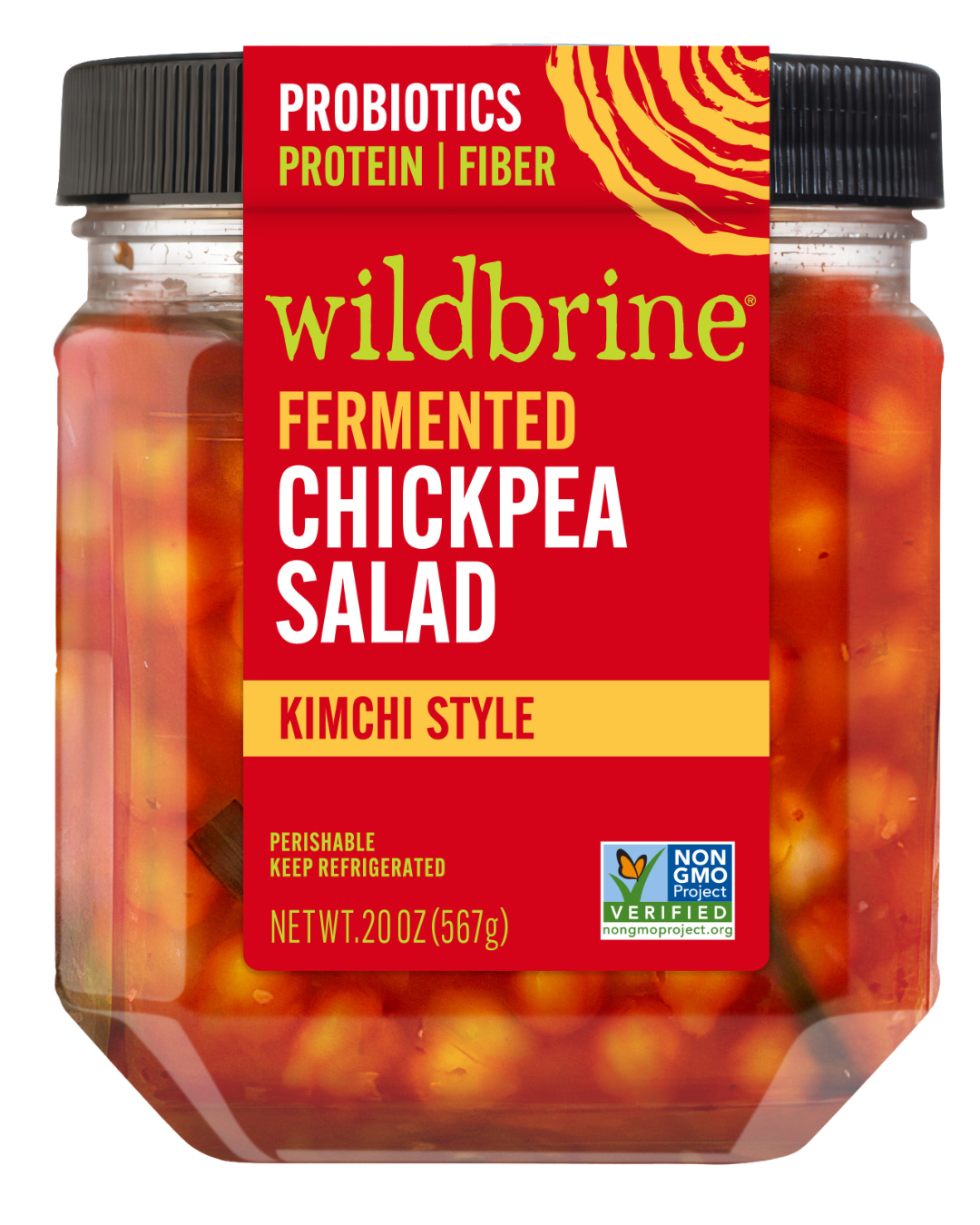

Chickpea Salad
Near you
Aldi is carried at Aldi stores. Find one within 25 miles.
Summary
This chickpea salad contains a mix of beneficial ingredients like chickpeas, edamame, and olive oil, which provide protein, fiber, and healthy fats. However, the presence of sunflower oil, a seed oil high in omega-6 fatty acids, and preservatives such as sodium benzoate and potassium sorbate, contribute to its processed nature. These factors, along with the moderate level of processing, limit the overall healthiness of the product despite its nutritious components.
At a glance
Key ingredients 17
ChickpeasGood
Chickpeas are a rich source of plant-based protein and fiber. They provide essential nutrients like folate, iron, and phosphorus. Their low glycemic index helps in maintaining stable blood sugar levels.
Benefits
High in protein and fiber, supporting digestive health and providing sustained energy.
Edamame BeansGood
Edamame beans are a good source of plant-based protein and contain all essential amino acids. They are rich in vitamins and minerals, including vitamin K and folate. Their high fiber content aids in digestion and satiety.
Risks
May cause allergic reactions in individuals sensitive to soy.
Benefits
Provides complete protein and is rich in antioxidants that support overall health.
CranberriesGood
Cranberries are rich in antioxidants and vitamin C, which support immune health. They contain proanthocyanidins that may help prevent urinary tract infections. Their natural sugars are balanced by fiber content.
Risks
Excessive consumption may lead to digestive discomfort due to high acidity.
Benefits
Rich in antioxidants and may support urinary tract health.
Sunflower OilVery Bad
Sunflower oil is a seed oil high in omega-6 fatty acids, which can promote inflammation if consumed in excess. It is often refined, which can strip away beneficial nutrients. Compared to other oils, it lacks significant health benefits.
Risks
High omega-6 content may promote inflammation when consumed in excess.
Olive OilVery Good
Olive oil is rich in monounsaturated fats that support heart health. It contains antioxidants like vitamin E and polyphenols that reduce oxidative stress. Cold-pressed extraction preserves beneficial compounds.
Benefits
Rich in monounsaturated fats and antioxidants, supporting heart health and reducing inflammation.
CarrotsGood
Carrots are a good source of beta-carotene, which the body converts to vitamin A. They support eye health and provide antioxidants that protect against free radicals. Their natural sweetness is balanced by fiber content.
Benefits
Supports eye health and provides antioxidants.
Red PeppersGood
Red peppers are rich in vitamin C and antioxidants, supporting immune function. They contain beta-carotene and other carotenoids that promote eye health. Their vibrant color indicates a high nutrient density.
Benefits
Rich in vitamin C and antioxidants, supporting immune health.
Green PeppersGood
Green peppers are a good source of vitamins C and K, supporting immune and bone health. They provide antioxidants that help reduce inflammation. Their crisp texture adds dietary fiber.
Benefits
Supports immune health and provides dietary fiber.
SaltNeutral
Salt is used to enhance flavor and preserve food. It is essential for maintaining fluid balance and nerve function. However, excessive intake can lead to health issues such as hypertension.
Risks
Excessive consumption can lead to high blood pressure and cardiovascular issues.
Benefits
Essential for fluid balance and nerve function.
Italian SeasoningGood
Italian seasoning is a blend of herbs like oregano, basil, and rosemary, which are rich in antioxidants. These herbs provide anti-inflammatory properties and enhance flavor without added calories. The blend supports overall health with its diverse nutrient profile.
Benefits
Rich in antioxidants and enhances flavor naturally.
Citric AcidNeutral
Citric acid is used as a preservative and flavor enhancer in foods. It is naturally found in citrus fruits and helps maintain freshness. While generally safe, excessive consumption can cause digestive discomfort.
Risks
Excessive consumption may lead to digestive discomfort.
Benefits
Helps preserve freshness and enhances flavor.
GarlicGood
Garlic is known for its potential cardiovascular benefits and immune-boosting properties. It contains allicin, which has antimicrobial effects. Its pungent flavor enhances dishes naturally.
Risks
May cause digestive discomfort in sensitive individuals.
Benefits
Supports cardiovascular health and boosts immunity.
Black PepperGood
Black pepper contains piperine, which enhances nutrient absorption and has anti-inflammatory properties. It adds flavor and can improve digestion. Its use in cooking is widespread due to its health benefits and flavor profile.
Benefits
Enhances nutrient absorption and provides anti-inflammatory benefits.
CuminGood
Cumin is a spice rich in iron and has antioxidant properties. It aids digestion and may improve blood sugar control. Its aromatic flavor enhances culinary dishes.
Benefits
Aids digestion and provides antioxidants.
White VinegarNeutral
White vinegar is used as a preservative and flavor enhancer. It is made through fermentation and contains acetic acid, which can aid in digestion. While generally safe, excessive consumption can erode tooth enamel.
Risks
Excessive consumption may erode tooth enamel.
Benefits
Aids in digestion and acts as a preservative.
Sodium BenzoateBad
Sodium benzoate is a preservative used to prevent spoilage in foods. It can form benzene, a carcinogen, when combined with vitamin C under certain conditions. Its use is controversial due to potential health risks.
Risks
May form benzene, a carcinogen, when combined with vitamin C.
Potassium SorbateBad
Potassium sorbate is a preservative used to inhibit mold and yeast growth. While generally recognized as safe, it can cause allergic reactions in sensitive individuals. Its use is common in processed foods to extend shelf life.
Risks
May cause allergic reactions in sensitive individuals.
Processing
Processed Foods
Get the full breakdown in the Scout app
Scan any product to see lab results, healthy alternatives, and your personalized analysis.
Download on theApp Store