



At a glance
Summary
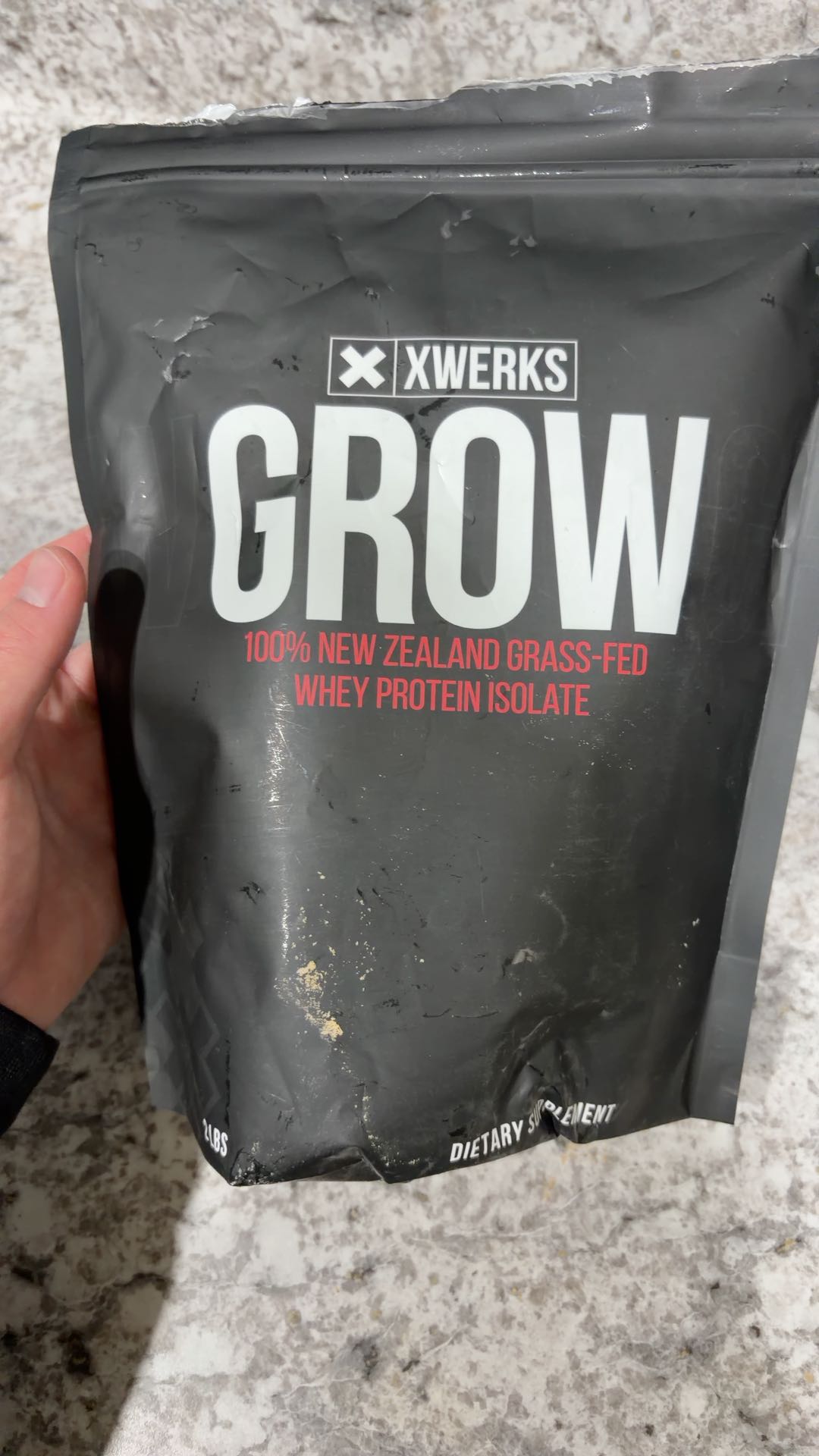
This whey protein product contains high-quality protein sources like whey protein concentrate and isolate, which are beneficial for muscle growth and recovery. However, it includes sucralose, an artificial sweetener with potential negative effects on gut health, and unspecified 'flavor', which lacks transparency. The presence of these additives and the use of lecithins, a processed emulsifier, contribute to a moderate level of processing, impacting the overall score.
Key ingredients 10
Whey Protein ConcentrateGood
Whey protein concentrate is a high-quality protein source rich in essential amino acids. It supports muscle growth and recovery, making it beneficial for athletes and those looking to increase protein intake. The concentrate form retains more beneficial nutrients compared to isolates.
Benefits
Provides a complete amino acid profile essential for muscle repair and growth.
Whey Protein IsolateGood
Whey protein isolate is a highly refined form of whey protein with minimal lactose and fat. It is ideal for those who are lactose intolerant or seeking a lean protein source. The isolate form is rapidly absorbed, enhancing muscle protein synthesis.
Benefits
Offers a high protein content with minimal carbohydrates and fats, supporting lean muscle development.
Cocoa PowderGood
Beneficial ingredient — whole-food or functional value in this product class.
Benefits
Contains antioxidants that may offer health benefits, though in small quantities in this product.
Xanthan GumNeutral
Xanthan gum is a common food additive used as a thickener and stabilizer. It is generally recognized as safe and used in small amounts. It can improve texture and consistency in food products.
Risks
Excessive consumption may cause digestive discomfort in sensitive individuals.
Benefits
Improves the texture and stability of the product without significant health impacts.
SaltNeutral
Salt is used to enhance flavor and preserve the product. In moderate amounts, it is generally safe for consumption. Excessive intake can lead to health issues such as hypertension.
Risks
High sodium intake can contribute to hypertension and cardiovascular issues.
Benefits
Enhances flavor and acts as a preservative.
Silicon DioxideNeutral
Silicon dioxide is an anti-caking agent used to prevent clumping in powdered products. It is considered safe in small amounts. It does not contribute to the nutritional value of the product.
Benefits
Prevents clumping, ensuring the product remains free-flowing.
Steviol GlycosidesNeutral
Steviol glycosides are natural sweeteners derived from the stevia plant. They offer sweetness without calories and are generally considered safe. They do not impact blood sugar levels, making them suitable for diabetics.
Benefits
Provides a natural, calorie-free sweetness suitable for those managing blood sugar levels.
FlavorBad
The term 'flavor' is vague and can include a variety of artificial or natural compounds. It lacks transparency, making it difficult to assess its health impact. The use of unspecified flavors can mask the presence of artificial additives.
Risks
Potential for containing artificial additives that may have health concerns.
LecithinsBad
Lecithins are emulsifiers that can be derived from soy or sunflower, often used to improve texture. While not as harmful as seed oils, they are processed and can be allergenic. The source of lecithins is not specified, which can be a concern for those with allergies.
Risks
Potential allergen and may be derived from genetically modified sources.
Benefits
Helps maintain product consistency and prevent separation.
SucraloseBad
Sucralose is an artificial sweetener used to provide sweetness without calories. It is controversial due to potential negative effects on gut health and metabolism. Long-term health impacts are still being studied.
Risks
May affect gut microbiota and insulin response negatively.
Benefits
Provides sweetness without adding calories or sugar.
Processing
Ultra-Processed Foods
Get the full breakdown in the Scout appTake Scout shopping
Scan any product to see lab results, healthy alternatives, and your personalized analysis.
Download on theApp Store GET IT ONGoogle Play