


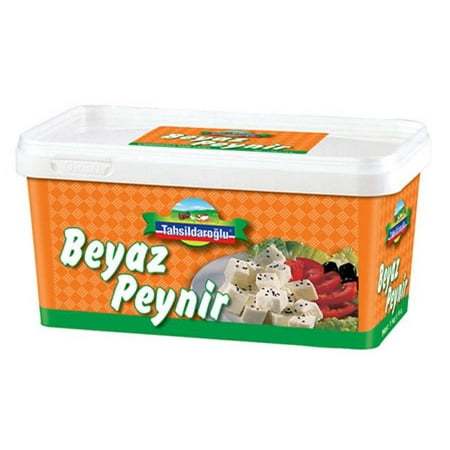

At a glance
Summary
This feta cheese is made from sheep and goat milk, with minimal additives such as microbial rennet and calcium chloride, which are common in cheese production. The product is processed but maintains a clean ingredient list without harmful additives, making it a healthier choice within its category. Its high protein content and absence of seed oils or artificial ingredients contribute positively to its rating.
Key ingredients 6
Sheep milkNeutral
Sheep milk is a primary ingredient in traditional feta cheese, providing a rich source of protein and calcium. It is often more digestible for some individuals compared to cow's milk. The quality depends on the diet and living conditions of the sheep.
Risks
Potential allergen for individuals with dairy sensitivities or lactose intolerance.
Benefits
Contains higher levels of certain vitamins and minerals compared to cow's milk, such as vitamin B12 and zinc.
Goat milkNeutral
Goat milk is used in feta cheese for its distinct flavor and nutritional profile. It is easier to digest for some people due to its different protein structure. The nutritional content can vary based on the goat's diet and environment.
Risks
May cause allergic reactions in individuals sensitive to dairy proteins.
Benefits
Rich in medium-chain fatty acids which can be easier to digest and metabolize.
SaltNeutral
Salt is used in cheese making for flavor and preservation. It helps control the fermentation process and enhances the cheese's taste. The type of salt used can affect the final product's texture and flavor.
Risks
Excessive consumption can contribute to high blood pressure and cardiovascular issues.
Benefits
Essential for maintaining electrolyte balance and proper muscle function.
Microbial rennetNeutral
Microbial rennet is used as a coagulant in cheese production, derived from fungi or bacteria. It is a vegetarian alternative to animal rennet. The use of microbial rennet can influence the texture and flavor of the cheese.
Benefits
Allows for cheese production without animal-derived enzymes, suitable for vegetarians.
Starter culturesNeutral
Starter cultures are used to initiate the fermentation process in cheese making. They contribute to the development of flavor and texture in the cheese. The specific strains used can affect the cheese's characteristics.
Benefits
Promotes the development of beneficial bacteria which can aid in digestion.
Calcium chlorideNeutral
Calcium chloride is added to milk to improve curd formation and firmness in cheese making. It helps restore calcium balance in pasteurized milk. The use of calcium chloride is common in cheese production to ensure consistent quality.
Benefits
Enhances the texture and quality of the cheese by improving curd formation.
Processing
Processed Foods
Get the full breakdown in the Scout appTake Scout shopping
Scan any product to see lab results, healthy alternatives, and your personalized analysis.
Download on theApp Store GET IT ONGoogle Play