



At a glance
Summary
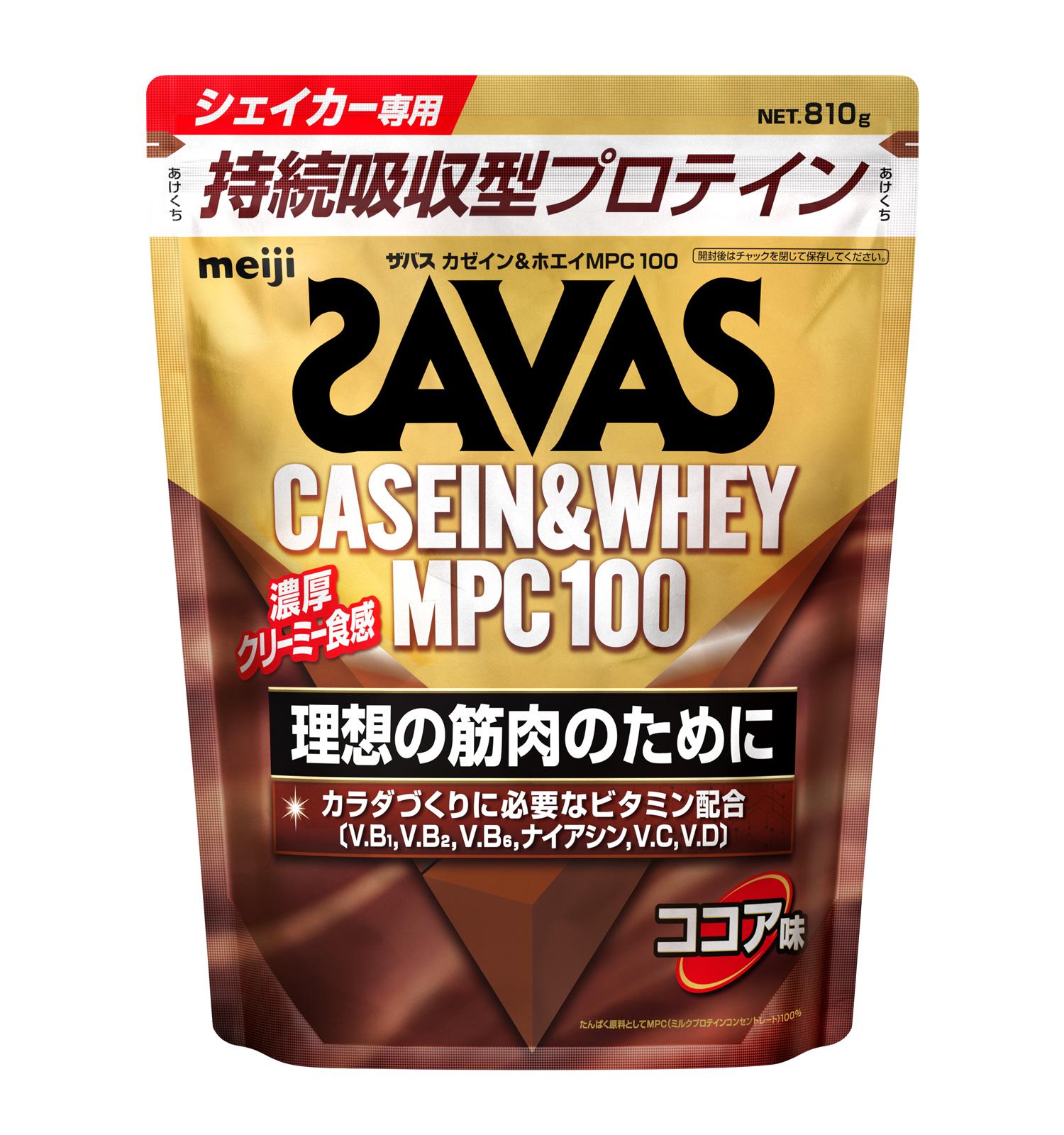
This protein powder contains high-quality whey protein and beneficial vitamins, which support muscle growth and overall health. However, the presence of vegetable oil, which is often highly processed and can promote inflammation, detracts from its overall healthiness. Additionally, the inclusion of emulsifiers and flavoring agents indicates a moderate level of processing, which impacts the score negatively.
Key ingredients 13
Whey ProteinVery Good
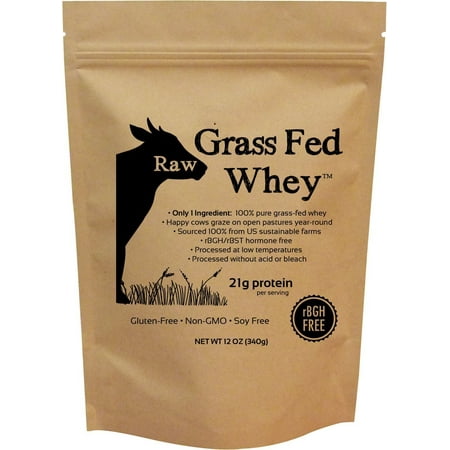
Whey protein is a high-quality animal-based protein with a complete amino acid profile, making it excellent for muscle repair and growth. It is minimally processed and often derived from milk, providing essential nutrients. Compared to plant-based proteins, whey offers superior bioavailability and absorption.
Benefits
Rich in essential amino acids, it supports muscle growth and recovery, and may enhance immune function.
Cocoa PowderGood
Cocoa powder is a natural ingredient that adds flavor and contains antioxidants like flavonoids, which can support heart health. It is minimally processed and provides a rich taste without artificial additives. Compared to artificial flavors, cocoa powder is a healthier choice.
Risks
Excessive consumption may lead to caffeine-related side effects, but these are minimal in typical serving sizes.
Benefits
Contains antioxidants that may improve heart health and provide anti-inflammatory effects.
Vitamin CGood
Vitamin C is an essential nutrient that supports immune function and acts as an antioxidant. It is often added to supplements to enhance nutritional value. Compared to other vitamins, it is well-known for its role in collagen synthesis and immune support.
Benefits
Supports immune health and acts as an antioxidant, protecting cells from damage.
Vitamin B1Good
Vitamin B1, also known as thiamine, is essential for energy metabolism and nerve function. It is often added to supplements to ensure adequate intake. Compared to other B vitamins, it plays a crucial role in carbohydrate metabolism.
Benefits
Supports energy metabolism and nerve function.
Vitamin B2Good
Vitamin B2, or riboflavin, is important for energy production and cellular function. It is commonly added to supplements to enhance nutritional value. Compared to other vitamins, it is crucial for maintaining healthy skin and eyes.
Benefits
Supports energy production and maintains healthy skin and eyes.
NiacinGood
Niacin, or vitamin B3, is essential for energy metabolism and DNA repair. It is often included in supplements to support overall health. Compared to other B vitamins, it is known for its role in lowering cholesterol levels.
Risks
High doses may cause flushing or liver damage.
Benefits
Supports energy metabolism and may help lower cholesterol levels.
Vitamin DGood
Vitamin D is crucial for bone health and immune function. It is often added to supplements to ensure adequate intake, especially in populations with limited sun exposure. Compared to other vitamins, it is unique for its role in calcium absorption.
Risks
Excessive intake can lead to toxicity, causing hypercalcemia.
Benefits
Supports bone health and enhances immune function.
SaltNeutral
Salt is used to enhance flavor and is a common ingredient in many foods. It is minimally processed and provides essential sodium for bodily functions. However, it should be consumed in moderation to avoid health issues related to high sodium intake.
Risks
Excessive intake can lead to high blood pressure and cardiovascular issues.
Benefits
Provides essential sodium, which is necessary for nerve and muscle function.
EmulsifierNeutral
Emulsifiers are used to improve texture and stability in food products. They are generally considered safe in small amounts and are commonly used in processed foods. However, excessive consumption may affect gut health.
Risks
Potential to disrupt gut microbiota if consumed in large quantities.
Benefits
Helps maintain product consistency and texture.
SweetenerNeutral
Sweeteners are used to provide sweetness without the calories of sugar. They are often used in low-calorie products and are generally considered safe in moderation. However, some artificial sweeteners may have health concerns.
Risks
Some artificial sweeteners may cause digestive issues or other health concerns if consumed in large amounts.
Benefits
Provides sweetness without adding calories, which can be beneficial for weight management.
ThickenerNeutral
Thickeners are used to improve the texture and consistency of food products. They are generally safe and commonly used in processed foods. However, excessive use may affect digestion.
Risks
May cause digestive discomfort if consumed in large amounts.
Benefits
Improves texture and consistency of the product.
FlavorBad
Processed additive flagged under Scout's ingredient doctrine.
Risks
Artificial flavors may cause allergic reactions or other health concerns in sensitive individuals.
Benefits
Enhances the taste of the product, making it more palatable.
Vegetable OilVery Bad
Vegetable oil, often derived from seed oils, is high in omega-6 fatty acids, which can promote inflammation when consumed in excess. It is typically highly processed and may contain unhealthy trans fats. Compared to healthier fats, vegetable oil is less beneficial for health.
Risks
High omega-6 content may promote inflammation and increase the risk of chronic diseases.
Processing
Processed Foods
Get the full breakdown in the Scout appTake Scout shopping
Scan any product to see lab results, healthy alternatives, and your personalized analysis.
Download on theApp Store GET IT ONGoogle Play