
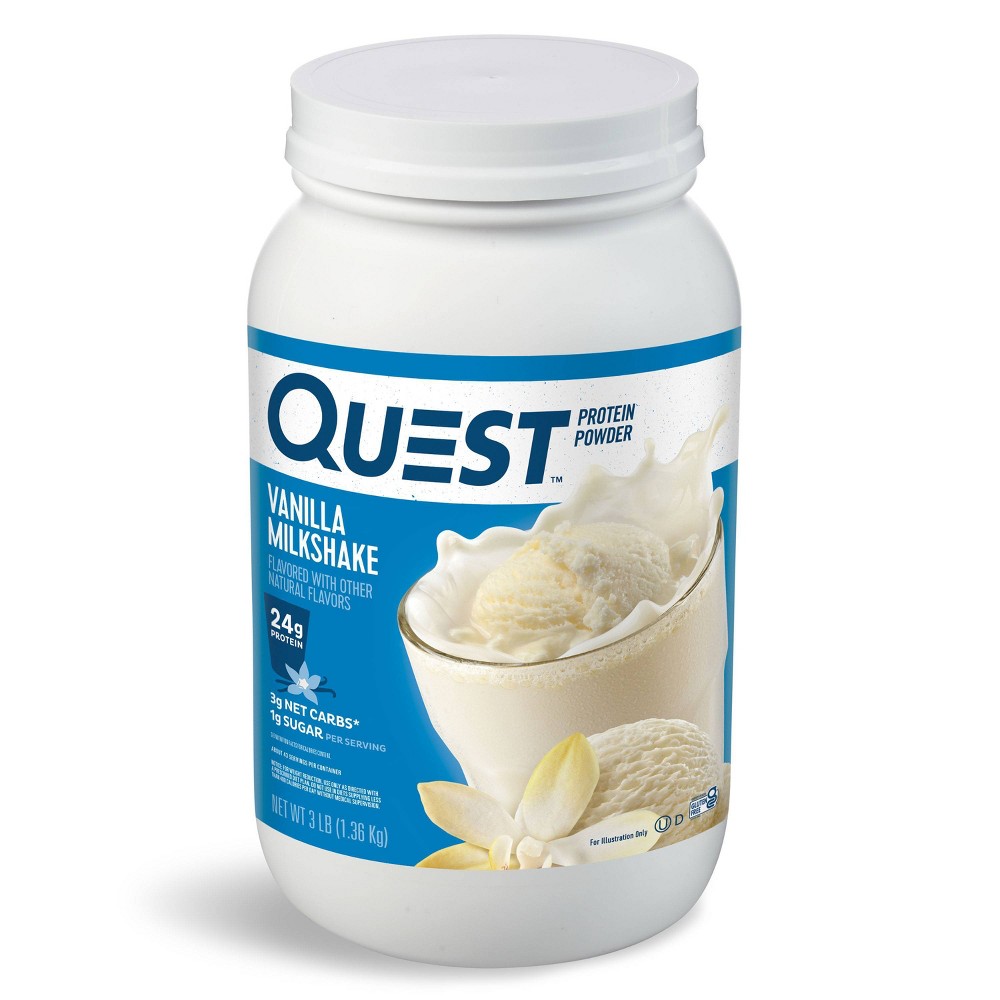




Quest Nutrition Protein Powder - Vanilla Milkshake - 3lbs
Analysis updated July 2026 · How Scout scores
At a glance
Summary
This protein powder contains high-quality protein sources like whey protein isolate and micellar casein, which are beneficial for muscle repair and growth. However, it includes several additives such as sucralose, carrageenan, and natural flavors, which are processed and can raise health concerns. The presence of these additives, along with the use of lecithin derived from seed oils, impacts the overall formulation quality.
Key ingredients 10
Whey Protein IsolateVery Good
Whey protein isolate is a high-quality protein source with a complete amino acid profile, making it excellent for muscle repair and growth. It is processed to remove most fats and lactose, enhancing its digestibility and protein content. Compared to other protein sources, it offers superior bioavailability and absorption.
Benefits
Rich in essential amino acids, it supports muscle recovery and growth, and is easily digestible.
Micellar CaseinGood
Micellar casein is a slow-digesting protein that provides a sustained release of amino acids, beneficial for prolonged muscle protein synthesis. It is minimally processed, retaining its natural micellar structure. This makes it ideal for nighttime recovery or between meals.
Benefits
Supports prolonged muscle protein synthesis and helps prevent muscle breakdown over extended periods.
Sea SaltGood
Beneficial ingredient — whole-food or functional value in this product class.
Risks
Excessive consumption can contribute to high blood pressure.
Benefits
Provides trace minerals and enhances flavor.
Silicon DioxideNeutral
Silicon dioxide is used as an anti-caking agent to prevent clumping in powdered products. It is generally recognized as safe and is minimally absorbed by the body. Its inert nature means it does not interact with other ingredients or affect nutritional value.
See more about Silicon Dioxide →Cellulose GumNeutral
Cellulose gum is a thickening agent derived from plant fibers, used to stabilize and thicken products. It is generally considered safe and is not absorbed by the body. It does not contribute to nutritional value but helps maintain product consistency.
See more about Cellulose Gum →Stevia SweetenerNeutral
Stevia sweetener is a natural, zero-calorie sweetener derived from the stevia plant. It is considered safe and does not significantly impact blood sugar levels. Its natural origin and lack of calories make it a popular alternative to sugar.
Benefits
Provides sweetness without calories and does not affect blood sugar levels.
Natural FlavorsBad
Natural flavors are often used to enhance taste but can be a catch-all for various additives, lacking transparency. They are highly processed and may contain solvents or preservatives. The lack of specific ingredient disclosure can be concerning for those with allergies or sensitivities.
Risks
Potential for allergic reactions or sensitivities due to undisclosed components.
LecithinBad
Lecithin is used as an emulsifier to improve texture and mixability, but it is derived from seed oils like soy, sunflower, or canola, which can be highly processed. It may contain residues from the extraction process. While not as harmful as pure seed oils, it still raises concerns due to its origin.
Risks
Potential for allergenic reactions, especially if derived from soy.
Benefits
Improves product texture and mixability, aiding in a smoother consistency.
CarrageenanBad
Carrageenan is used as a thickener and stabilizer but has been linked to gastrointestinal inflammation and discomfort in some studies. It is derived from red seaweed and undergoes significant processing. Its potential to cause digestive issues makes it a controversial additive.
Risks
May cause gastrointestinal inflammation and discomfort in sensitive individuals.
SucraloseBad
Sucralose is an artificial sweetener used to provide sweetness without calories, but it is highly processed and may affect gut health. Some studies suggest it can alter gut microbiota and may have other metabolic effects. Its artificial nature and potential health impacts make it a concern.
Risks
May alter gut microbiota and has potential metabolic effects.
Benefits
Provides sweetness without adding calories.
Processing
Ultra-Processed Foods
Get the full breakdown in the Scout appTake Scout shopping
Scan any product to see lab results, healthy alternatives, and your personalized analysis.
Download on theApp Store GET IT ONGoogle Play