
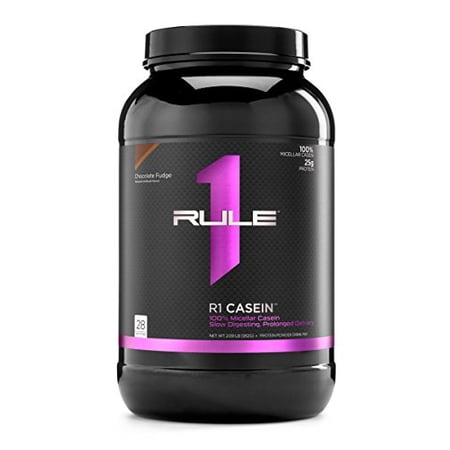
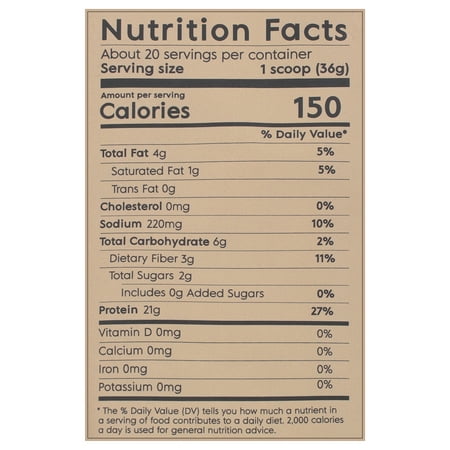

R1 Casein, Rule 1 Proteins (Chocolate Fudge, 28 Servings)
Analysis updated July 2026 · How Scout scores
At a glance
Summary
This protein powder features micellar casein, a high-quality protein known for its slow digestion and muscle recovery benefits. However, the inclusion of sucralose, an artificial sweetener, raises concerns about potential effects on gut health. Additionally, the use of natural and artificial flavors adds to the processing level, impacting the overall ingredient transparency and quality.
Key ingredients 7
Micellar CaseinGood
Micellar casein is a high-quality protein derived from milk, known for its slow digestion and sustained amino acid release. It is minimally processed, retaining its natural structure, which makes it beneficial for muscle recovery and growth. Compared to other protein sources, it provides a complete amino acid profile, making it a superior choice for protein supplementation.
Benefits
Provides a sustained release of amino acids, supporting muscle recovery and growth over extended periods.
CocoaGood
Beneficial ingredient — whole-food or functional value in this product class.
Risks
The alkalization process may reduce the antioxidant content of cocoa.
Benefits
Adds flavor and color to the product, though with reduced antioxidant benefits compared to raw cocoa.
SaltNeutral
Salt is used as a flavor enhancer and preservative in many food products. While it is essential for bodily functions, excessive intake can lead to health issues such as hypertension. In moderation, it contributes to the overall flavor profile of the product.
Risks
Excessive consumption can lead to hypertension and other cardiovascular issues.
Benefits
Enhances flavor and acts as a preservative in food products.
Cellulose GumNeutral
Cellulose gum is a thickening agent derived from plant fibers, commonly used in processed foods. It is generally considered safe and has no significant nutritional value. It helps improve the texture and stability of the product.
Benefits
Improves texture and stability of the product without adding calories.
Xanthan GumNeutral
Xanthan gum is a polysaccharide used as a thickening and stabilizing agent in food products. It is produced through fermentation and is generally recognized as safe. It helps maintain the consistency and texture of the product.
Benefits
Helps maintain consistency and texture in food products.
Natural And Artificial FlavorsBad
Natural and artificial flavors are used to enhance taste but can be vague in terms of their specific composition. They often include a variety of chemical compounds, some of which may have health concerns. The lack of transparency in labeling makes it difficult to assess their safety and impact.
Risks
Potential health concerns due to the inclusion of various chemical compounds and lack of transparency.
SucraloseBad
Sucralose is an artificial sweetener used to provide sweetness without calories. It is chemically altered to be non-caloric, but concerns exist about its potential effects on gut health and insulin response. While it is FDA-approved, some studies suggest it may alter gut microbiota.
Risks
Potential effects on gut health and insulin response; may alter gut microbiota.
Benefits
Provides sweetness without adding calories, making it suitable for low-calorie diets.
Processing
Processed Foods
Get the full breakdown in the Scout appTake Scout shopping
Scan any product to see lab results, healthy alternatives, and your personalized analysis.
Download on theApp Store GET IT ONGoogle PlayAmazon pricing & content
Amazon price as of . Product prices and availability are accurate as of the date/time indicated and are subject to change. Any price and availability information displayed on Amazon.com at the time of purchase will apply to the purchase of this product.
CERTAIN CONTENT THAT APPEARS ON THIS SITE COMES FROM AMAZON. THIS CONTENT IS PROVIDED “AS IS” AND IS SUBJECT TO CHANGE OR REMOVAL AT ANY TIME.