



At a glance
Summary
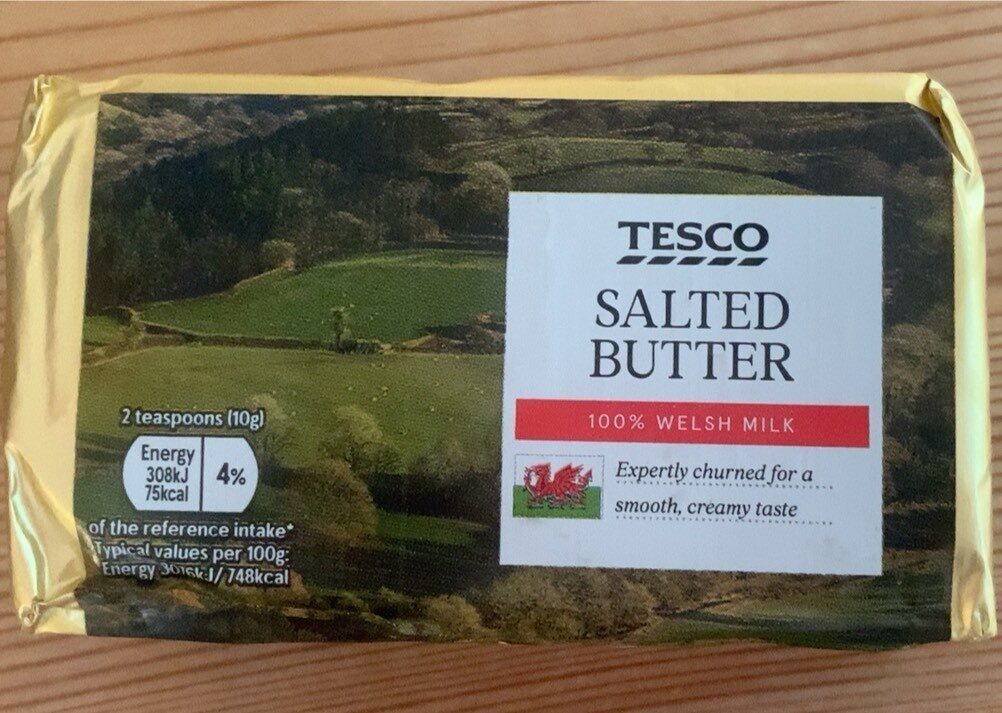
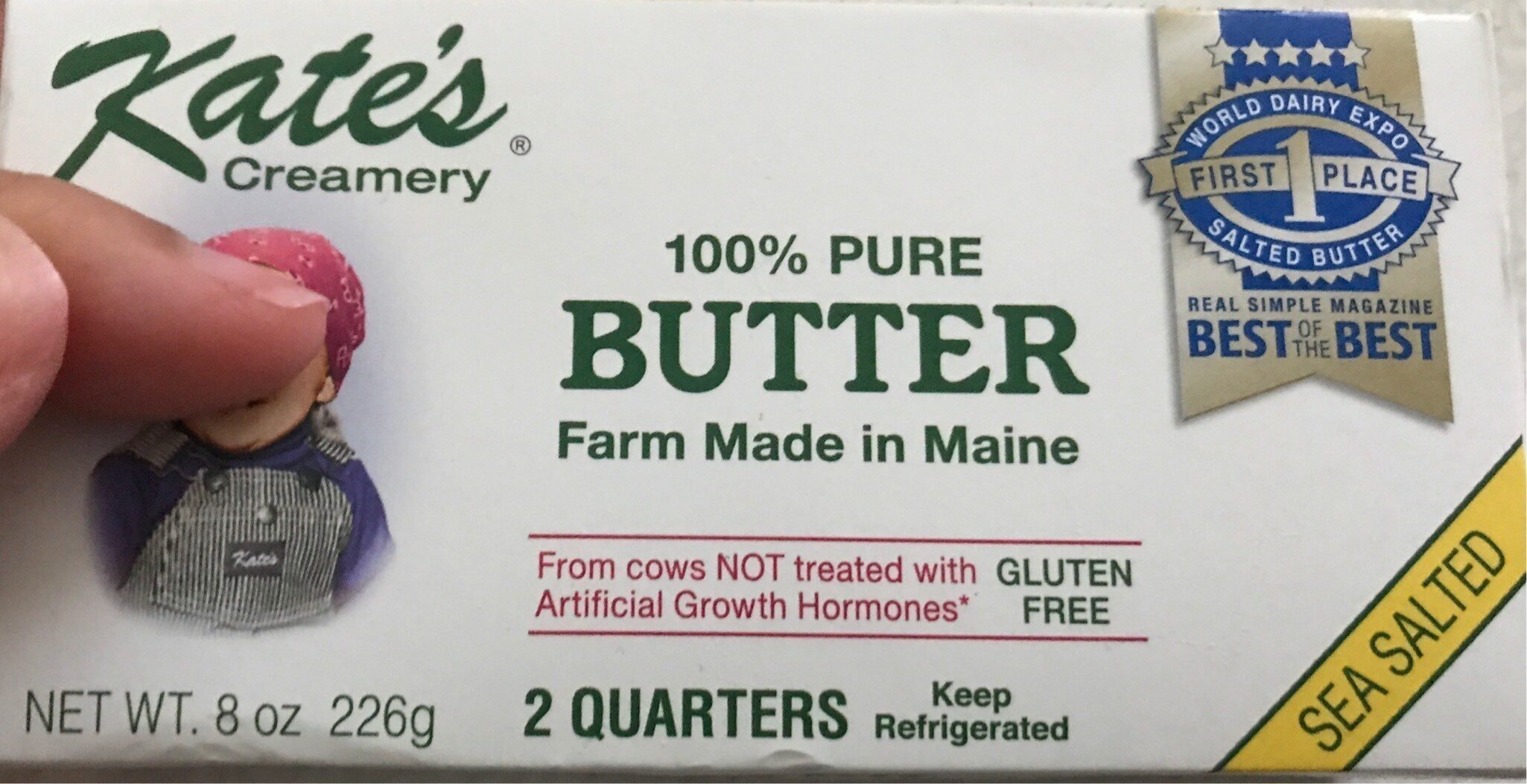
This salted butter is a processed culinary ingredient with a simple and clean ingredient list, consisting only of butter and salt. It is minimally processed compared to other spreads and does not contain any harmful additives or seed oils. The product provides a source of healthy fats, although the addition of salt slightly reduces its score compared to unsalted, raw, or cultured butter options.
Key ingredients 2
Butter (milk)Good
Butter (milk)
Good
Butter made from milk provides natural fats and nutrients, contributing to a rich flavor and energy source.
SaltNeutral
Salt
Neutral
Standard formulation ingredient — neither beneficial nor harmful at typical use.
See more about Salt →Processing
Group 2 · Culinary ingredients
Processed Culinary Ingredients
Get the full breakdown in the Scout appTake Scout shopping
Scan any product to see lab results, healthy alternatives, and your personalized analysis.
Download on theApp Store GET IT ONGoogle Play