
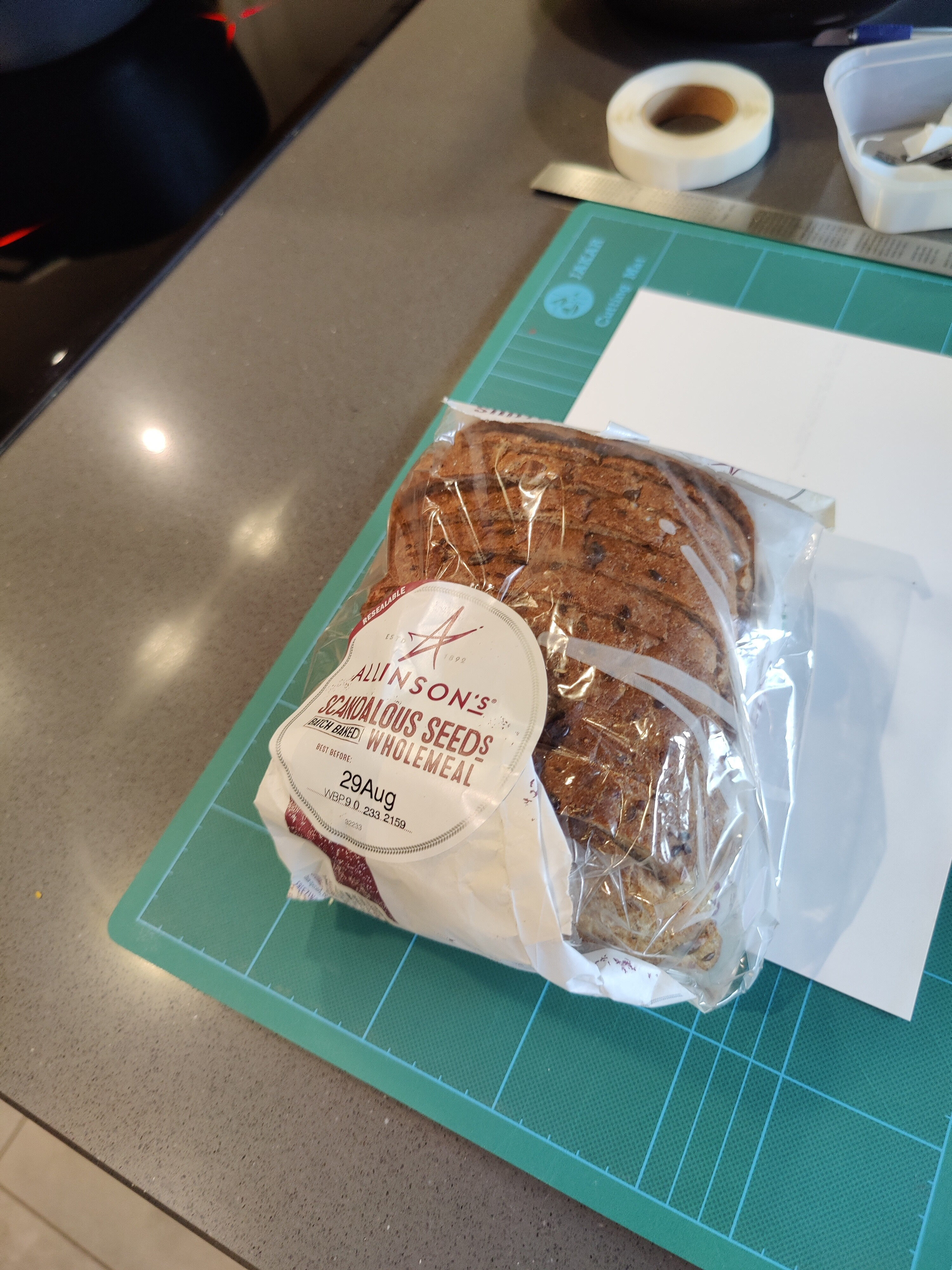


At a glance
Summary
This wholemeal loaf contains beneficial ingredients like wholemeal wheat flour and mixed seeds, which provide fiber, protein, and healthy fats. However, the presence of rapeseed and palm oils, which are high in omega-6 fatty acids and often highly processed, detracts from its health profile. The bread is moderately processed, which limits its score despite the inclusion of nutrient-dense components.
Key ingredients 13
Wholemeal Wheat FlourGood
Wholemeal wheat flour is a good source of dietary fiber and essential nutrients. It is less processed than refined flour, retaining more vitamins and minerals. This contributes to better digestive health and sustained energy levels.
Risks
May contain gluten, which can be problematic for individuals with celiac disease or gluten sensitivity.
Benefits
Rich in fiber, which aids in digestion and helps maintain healthy blood sugar levels. Provides essential nutrients such as B vitamins and iron.
Mixed SeedsGood
Mixed seeds like sunflower, linseed, and pumpkin seeds are nutrient-dense and provide healthy fats, protein, and fiber. They are minimally processed and offer a variety of vitamins and minerals. These seeds contribute to heart health and provide anti-inflammatory benefits.
Benefits
Rich in omega-3 fatty acids, protein, and fiber, which support heart health and provide anti-inflammatory properties.
Fermented Wheat FlourGood
Fermented wheat flour can improve the digestibility of bread and enhance flavor. The fermentation process can increase the availability of nutrients. It may also reduce the glycemic index of the bread.
Benefits
Enhances flavor and digestibility, and may improve nutrient absorption.
Cracked WheatGood
Cracked wheat is a whole grain that provides fiber and essential nutrients. It is minimally processed, retaining its nutritional profile. This ingredient supports digestive health and provides sustained energy.
Risks
May contain gluten, which can be problematic for individuals with celiac disease or gluten sensitivity.
Benefits
Rich in fiber and nutrients, supporting digestive health and providing sustained energy.
Ascorbic AcidGood
Vitamin C — beneficial even when serving as a preservative.
Benefits
Improves dough strength and acts as an antioxidant.
Wheat ProteinNeutral
Wheat protein is a plant-based protein source that can help increase the protein content of foods. It is less complete than animal-based proteins but still provides essential amino acids. Suitable for vegetarians and those looking to increase protein intake.
Risks
May cause allergic reactions in individuals with wheat allergies.
Benefits
Provides a source of protein that can help with muscle maintenance and repair.
YeastNeutral
Yeast is used in baking to leaven bread, contributing to its texture and flavor. It is a natural ingredient that undergoes fermentation. Yeast can also provide some B vitamins and minerals.
Benefits
Contributes to the leavening of bread, improving texture and flavor.
Malted Barley FlourNeutral
Malted barley flour is used to enhance flavor and improve the texture of baked goods. It is a natural ingredient that can add sweetness and color. It is often used in small quantities.
Benefits
Enhances flavor and texture of baked goods.
SaltNeutral
Salt is used to enhance flavor and preserve food. It is a common ingredient in baking. While necessary in small amounts, excessive consumption can lead to health issues.
Risks
Excessive salt intake can contribute to high blood pressure and cardiovascular issues.
Benefits
Enhances flavor and acts as a preservative.
VinegarNeutral
Vinegar is used in baking to enhance flavor and act as a natural preservative. It is a natural ingredient with minimal processing. Vinegar can also contribute to the acidity balance in recipes.
Benefits
Enhances flavor and acts as a natural preservative.
Molasses SugarNeutral
Molasses sugar is a less refined sugar that retains some minerals and nutrients. It provides a rich flavor and color to baked goods. While it is a sugar, it is less processed than white sugar.
Risks
Excessive consumption of sugars can lead to health issues such as obesity and diabetes.
Benefits
Provides a rich flavor and retains some minerals compared to refined sugar.
Sustainable Soya FlourNeutral
Soya flour is a plant-based protein source that can enhance the nutritional profile of baked goods. It is less complete than animal proteins but provides essential amino acids. Sustainable sourcing is a positive aspect.
Risks
May cause allergic reactions in individuals with soy allergies.
Benefits
Provides plant-based protein and essential amino acids.
Vegetable OilsVery Bad
Vegetable oils like rapeseed and palm oil are high in omega-6 fatty acids, which can promote inflammation. They are often highly processed and refined. Sustainable sourcing of palm oil is a positive aspect but does not mitigate health concerns.
Risks
High omega-6 content may promote inflammation when consumed in excess.
Benefits
Sustainable palm oil sourcing is environmentally beneficial.
Processing
Processed Foods
Get the full breakdown in the Scout appTake Scout shopping
Scan any product to see lab results, healthy alternatives, and your personalized analysis.
Download on theApp Store GET IT ONGoogle Play