


At a glance
Summary
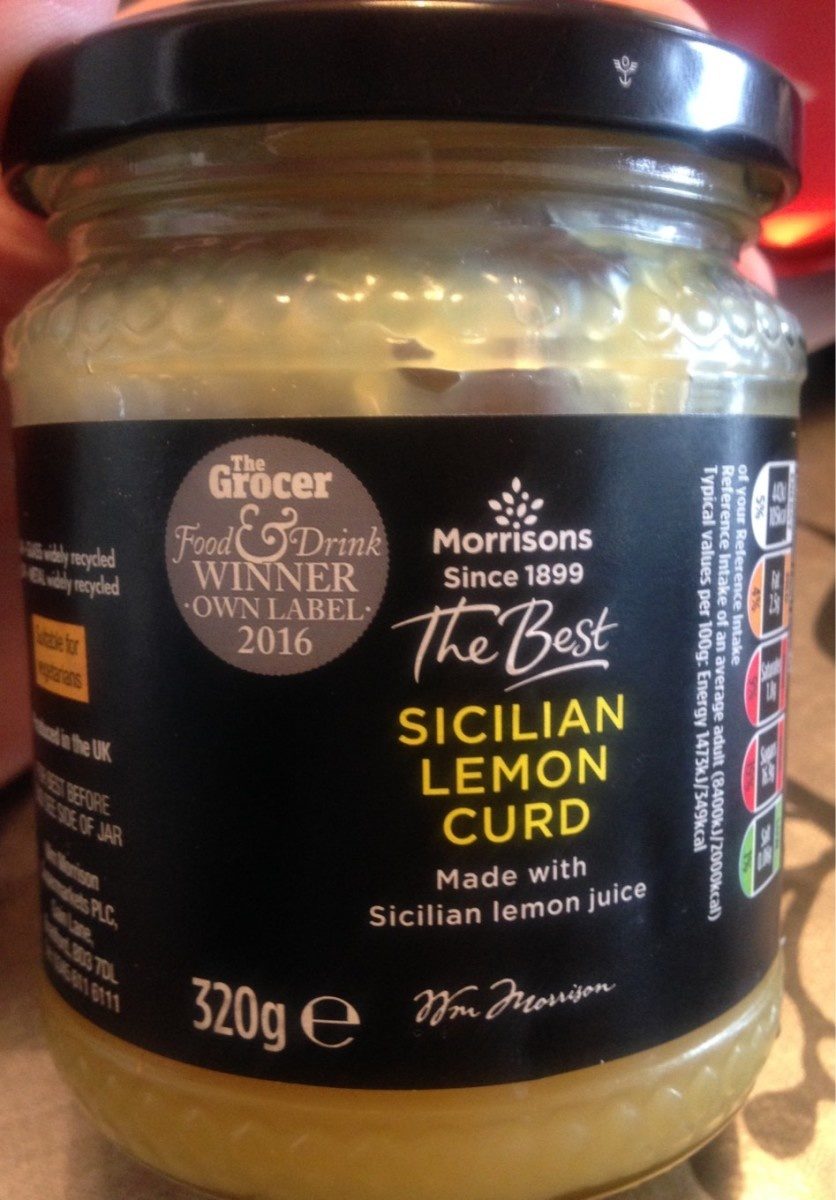
This Sicilian lemon curd is ultra-processed, which limits its potential health score. It contains a high amount of refined sugar, contributing to its high carbohydrate content and potential negative health impacts. However, it includes beneficial ingredients like pasteurized liquid whole free-range eggs, which provide quality protein and nutrients, and the use of agar as a gelling agent is a relatively clean choice.
Key ingredients 6
Pasteurised Liquid Whole Free Range EggGood
Whole eggs are a high-quality source of protein and essential nutrients. Free-range eggs may contain higher levels of omega-3 fatty acids and vitamins compared to conventional eggs. Pasteurization ensures safety by reducing the risk of bacterial contamination.
Benefits
Rich in protein, vitamins, and minerals, supporting muscle health and overall nutrition.
Salted ButterNeutral
Butter is a source of saturated fats and provides flavor and texture to foods. It is minimally processed but should be consumed in moderation due to its high saturated fat content. Salted butter contains added salt, which can contribute to sodium intake.
Risks
Excessive consumption of saturated fats may increase the risk of heart disease.
Benefits
Provides fat-soluble vitamins such as vitamin A and contributes to the flavor profile of foods.
Concentrated Sicilian Lemon JuiceNeutral
Lemon juice is a natural source of vitamin C and antioxidants. Concentration increases the intensity of flavor but may reduce some nutrient content. Contains sulphites, which can cause allergic reactions in sensitive individuals.
Risks
Sulphites may trigger allergic reactions in sensitive individuals.
Benefits
Provides vitamin C and antioxidants, supporting immune function and skin health.
Water Sicilian Lemon OilNeutral
Lemon oil adds flavor and aroma to foods. It is derived from lemon peels and is generally considered safe in small amounts. The oil is highly concentrated and should be used sparingly.
Benefits
Enhances flavor and aroma, contributing to the sensory experience of foods.
Gelling Agent (Agar)Neutral
Agar is a natural gelling agent derived from seaweed. It is used to thicken and stabilize foods without adding calories. Agar is a vegetarian alternative to gelatin and is generally considered safe.
Benefits
Provides a vegetarian-friendly gelling option and is low in calories.
SugarBad
Refined sugar is associated with negative health impacts such as increased risk of obesity and metabolic disorders. It is highly processed and lacks nutritional value. Excessive consumption can lead to insulin resistance and other health issues.
Risks
High intake of refined sugar can contribute to weight gain, diabetes, and heart disease.
Processing
Ultra-Processed Foods
Get the full breakdown in the Scout appTake Scout shopping
Scan any product to see lab results, healthy alternatives, and your personalized analysis.
Download on theApp Store GET IT ONGoogle Play