
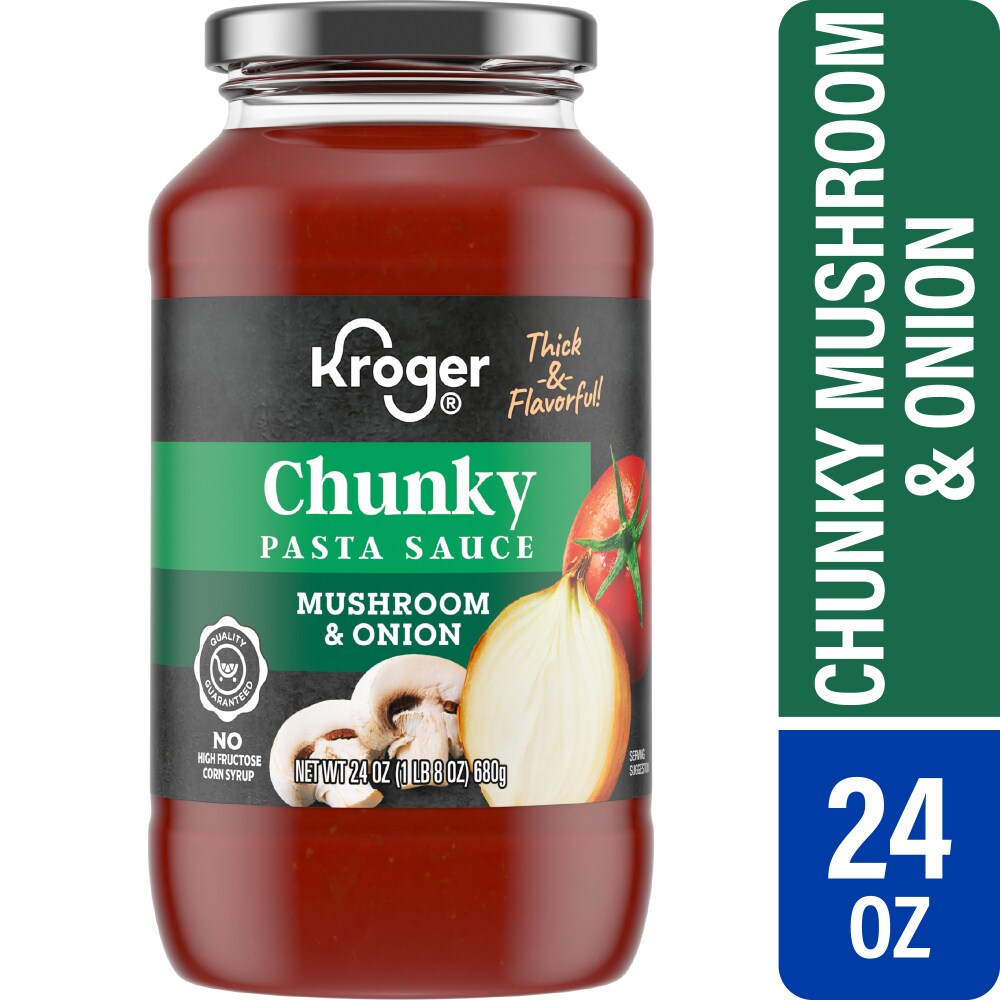


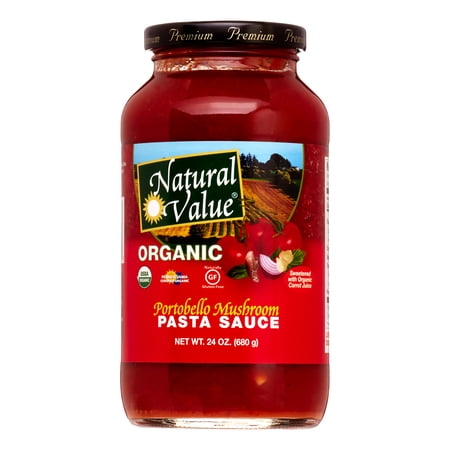
CHUNKY PASTA SAUCE
Analysis updated August 2026 · How Scout scores
At a glance
Summary
This chunky pasta sauce contains beneficial ingredients like tomatoes and olive oil, which provide vitamins, antioxidants, and healthy fats. However, the presence of soybean oil, a highly processed seed oil, and added sugar detracts from its nutritional quality. The sauce is moderately processed, which limits its score despite some positive ingredients.
Key ingredients 12
Tomato pureeGood
Tomato puree is a concentrated source of tomatoes, providing a rich supply of vitamins and antioxidants. It is minimally processed, retaining most of the nutritional benefits of fresh tomatoes. The puree is a good source of lycopene, which is linked to reduced risk of certain diseases.
Benefits
Rich in vitamins A and C, and antioxidants like lycopene, which may support heart health and reduce inflammation.
TomatoesGood
Tomatoes are a whole food ingredient rich in vitamins, minerals, and antioxidants. They are a natural source of lycopene, which has been associated with various health benefits. Fresh tomatoes contribute to the sauce's nutritional profile with minimal processing.
Benefits
Provides essential nutrients and antioxidants that support overall health and may reduce the risk of chronic diseases.
SpicesGood
Whole-food seasonings, antioxidant-bearing.
Benefits
Enhances flavor and may provide minor health benefits depending on the specific spices used.
Olive oilGood
Olive oil is a healthy fat rich in monounsaturated fatty acids and antioxidants. It is less processed compared to seed oils and supports heart health. The presence of olive oil improves the nutritional profile of the sauce.
Benefits
Rich in monounsaturated fats and antioxidants, supporting heart health and reducing inflammation.
Diced tomatoes in tomato juiceNeutral
Diced tomatoes in tomato juice are a convenient form of tomatoes, retaining some nutritional benefits. The processing involves canning, which may reduce some nutrient levels but preserves the product for longer shelf life. They still provide a good source of vitamins and antioxidants.
Benefits
Offers a convenient source of vitamins and antioxidants, contributing to the sauce's flavor and nutritional value.
MushroomsNeutral
Mushrooms are a low-calorie ingredient that provides some vitamins and minerals. They add umami flavor to the sauce but are not a significant source of nutrients. The nutritional impact is minimal due to the small quantity typically used.
Benefits
Adds flavor and texture to the sauce with minimal calories.
Dried onionNeutral
Dried onion is used for flavoring and retains some of the nutritional properties of fresh onions. The drying process concentrates the flavor but may reduce some vitamin content. It adds depth to the sauce's flavor profile.
Benefits
Provides flavor and some antioxidants, contributing to the overall taste of the sauce.
SaltNeutral
Salt is used as a seasoning and preservative in the sauce. It enhances flavor but should be consumed in moderation due to potential health risks associated with high sodium intake. The salt used is likely refined, lacking additional minerals found in unrefined salts.
Risks
Excessive sodium intake can lead to high blood pressure and increased risk of cardiovascular diseases.
Benefits
Enhances flavor and acts as a preservative in the sauce.
Dried garlicNeutral
Dried garlic is used for flavor and retains some of the beneficial compounds found in fresh garlic. The drying process may reduce some of its nutritional content but still provides flavor and potential health benefits. It contributes to the sauce's aromatic profile.
Benefits
Adds flavor and potential health benefits due to its antioxidant properties.
Romano cheeseNeutral
Romano cheese adds flavor and a small amount of protein and calcium to the sauce. It is a processed dairy product that can enhance the taste but should be consumed in moderation due to its fat and sodium content. The cheese contributes to the sauce's creamy texture.
Risks
Contains saturated fat and sodium, which should be consumed in moderation.
Benefits
Provides flavor, protein, and calcium, enhancing the sauce's taste and nutritional value.
SugarBad
Sugar is a refined carbohydrate that can contribute to increased calorie intake and potential health issues when consumed in excess. It is added to enhance flavor but offers no nutritional benefits. Excessive sugar consumption is linked to obesity and metabolic disorders.
Risks
High intake of sugar can lead to weight gain, increased risk of type 2 diabetes, and other metabolic issues.
Soybean oilVery Bad
Soybean oil is a seed oil high in omega-6 fatty acids, which can promote inflammation when consumed in excess. It is often highly processed and refined, which may reduce its nutritional quality. The high omega-6 content is a concern for maintaining a balanced fatty acid intake.
Risks
High omega-6 content may promote inflammation and is linked to various chronic diseases when consumed excessively.
Processing
Processed Foods
Get the full breakdown in the Scout appTake Scout shopping
Scan any product to see lab results, healthy alternatives, and your personalized analysis.
Download on theApp Store GET IT ONGoogle Play