

Uncured pizza
Summary
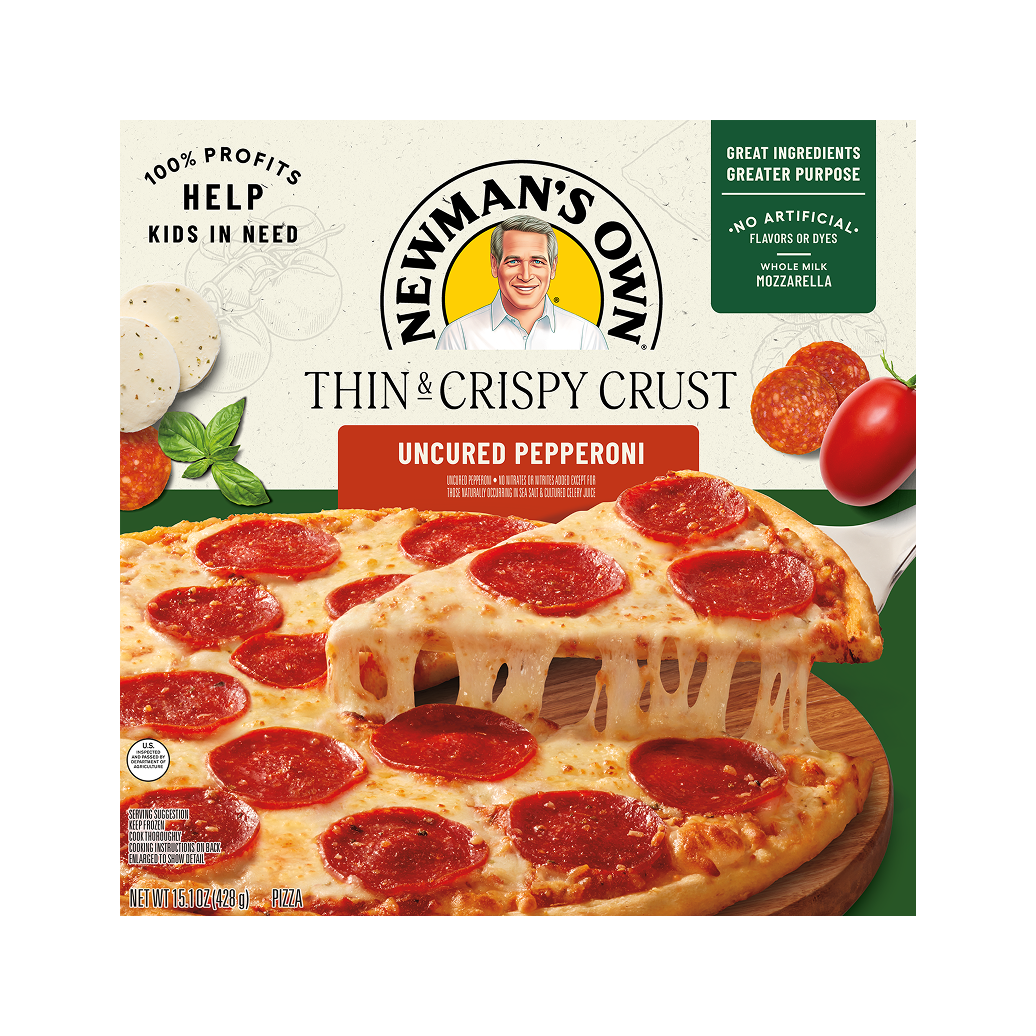
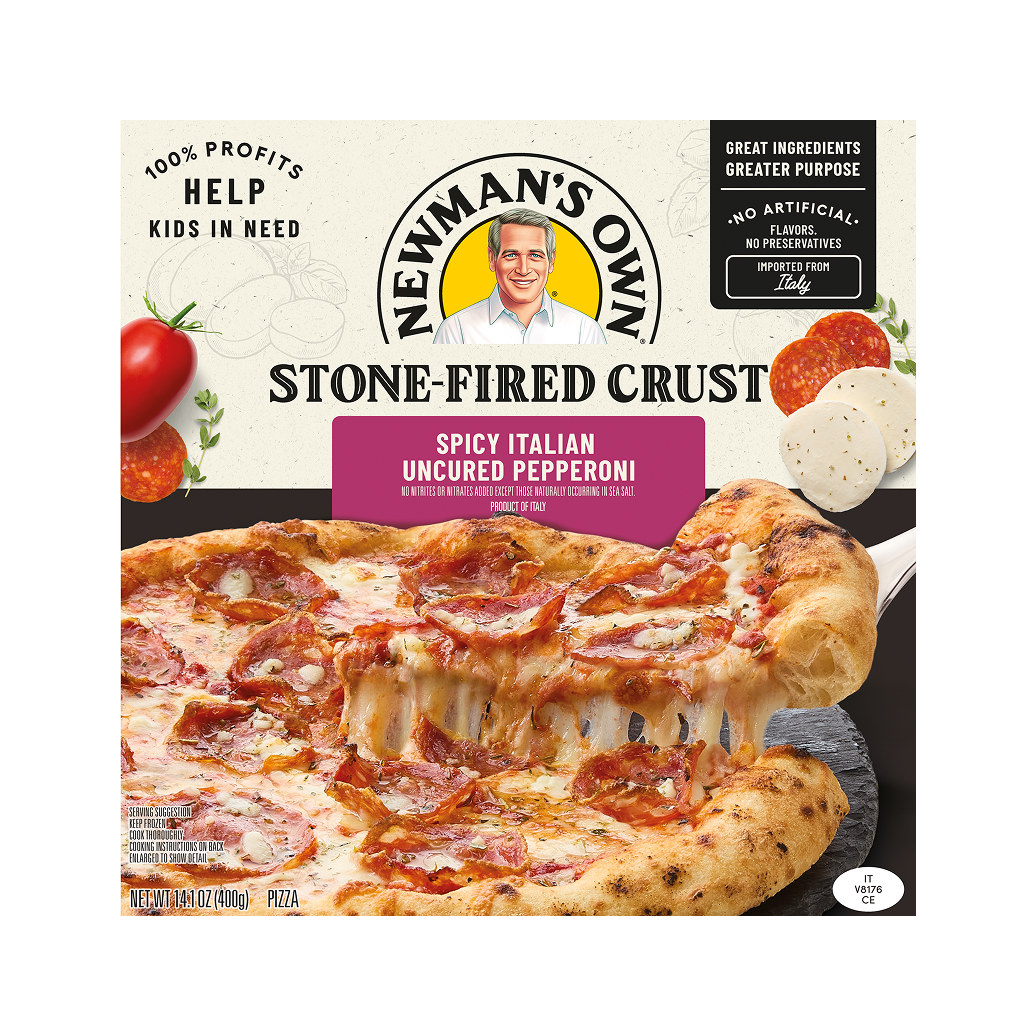
This uncured pizza contains several beneficial ingredients such as tomato puree, mozzarella cheese, and olive oil, which contribute to its nutritional value. However, the presence of corn oil, a seed oil high in omega-6 fatty acids, detracts from its healthiness due to potential inflammatory effects. The product is moderately processed, which limits its score despite the presence of some high-quality ingredients.
At a glance
Key ingredients 10
Wheat FlourNeutral
Wheat flour is a staple ingredient in many baked goods and provides carbohydrates. It is typically refined, which removes some nutrients and fiber. Whole grain alternatives offer more nutritional benefits.
Risks
May cause issues for individuals with gluten intolerance or celiac disease.
Benefits
Provides energy through carbohydrates and is a versatile ingredient in cooking.
WaterNeutral
Water is a fundamental ingredient used to hydrate and bind ingredients. It is essential for dough formation in baking. It does not contribute any calories or nutrients.
Benefits
Essential for hydration and necessary for various bodily functions.
Tomato PureeGood
Tomato puree is made from cooked and strained tomatoes, providing a rich source of vitamins and antioxidants. It is minimally processed and retains much of the nutritional value of fresh tomatoes. Lycopene, an antioxidant in tomatoes, is linked to various health benefits.
Benefits
Rich in vitamins A and C, and lycopene, which may reduce the risk of certain diseases.
Low-Moisture Part-Skim Mozzarella CheeseGood
This cheese is a good source of protein and calcium, essential for bone health. It is made by removing some moisture and fat, resulting in a lower calorie cheese option. The cheese cultures used in production enhance flavor and digestibility.
Risks
Contains lactose, which may cause issues for lactose-intolerant individuals.
Benefits
Provides protein and calcium, supporting muscle and bone health.
SaltNeutral
Salt is used to enhance flavor and preserve food. It is a natural mineral composed primarily of sodium chloride. Excessive consumption can lead to health issues such as hypertension.
Risks
High sodium intake is linked to increased blood pressure and cardiovascular risk.
Benefits
Essential for maintaining fluid balance and nerve function.
Corn OilVery Bad
Corn oil is a seed oil high in omega-6 fatty acids, which can promote inflammation if consumed in excess. It is often extracted using chemical solvents, which may leave residues. Alternatives like olive oil offer healthier fat profiles.
Risks
High omega-6 content may promote inflammation when consumed in excess.
YeastGood
Yeast is a microorganism used in baking to leaven dough, contributing to texture and flavor. It is a natural ingredient that also provides some B vitamins. Fermentation by yeast can enhance the digestibility of baked goods.
Benefits
Contributes to the leavening of dough and provides B vitamins.
Whole Milk MozzarellaGood
Whole milk mozzarella is a rich source of protein and calcium, supporting bone and muscle health. It is made from whole milk, providing a creamier texture and richer flavor. The absence of rBST treatment in cows is a positive quality indicator.
Risks
Contains lactose, which may cause issues for lactose-intolerant individuals.
Benefits
Rich in protein and calcium, essential for bone health.
Olive OilVery Good
Olive oil is a high-quality monounsaturated fat with anti-inflammatory properties. It contains antioxidants that support heart health. Cold-pressed extraction preserves beneficial compounds.
Benefits
Rich in monounsaturated fats that support heart health and provide anti-inflammatory properties.
HoneyGood
Honey is a natural sweetener with antioxidant properties. It is less processed than refined sugars and contains trace amounts of vitamins and minerals. Its glycemic index is lower than that of refined sugar, making it a better alternative for blood sugar management.
Risks
High in sugars, which can contribute to weight gain and dental issues if consumed in excess.
Benefits
Contains antioxidants and has a lower glycemic index compared to refined sugar.
Processing
Processed Foods
Get the full breakdown in the Scout app
Scan any product to see lab results, healthy alternatives, and your personalized analysis.
Download on theApp Store