



At a glance
Summary
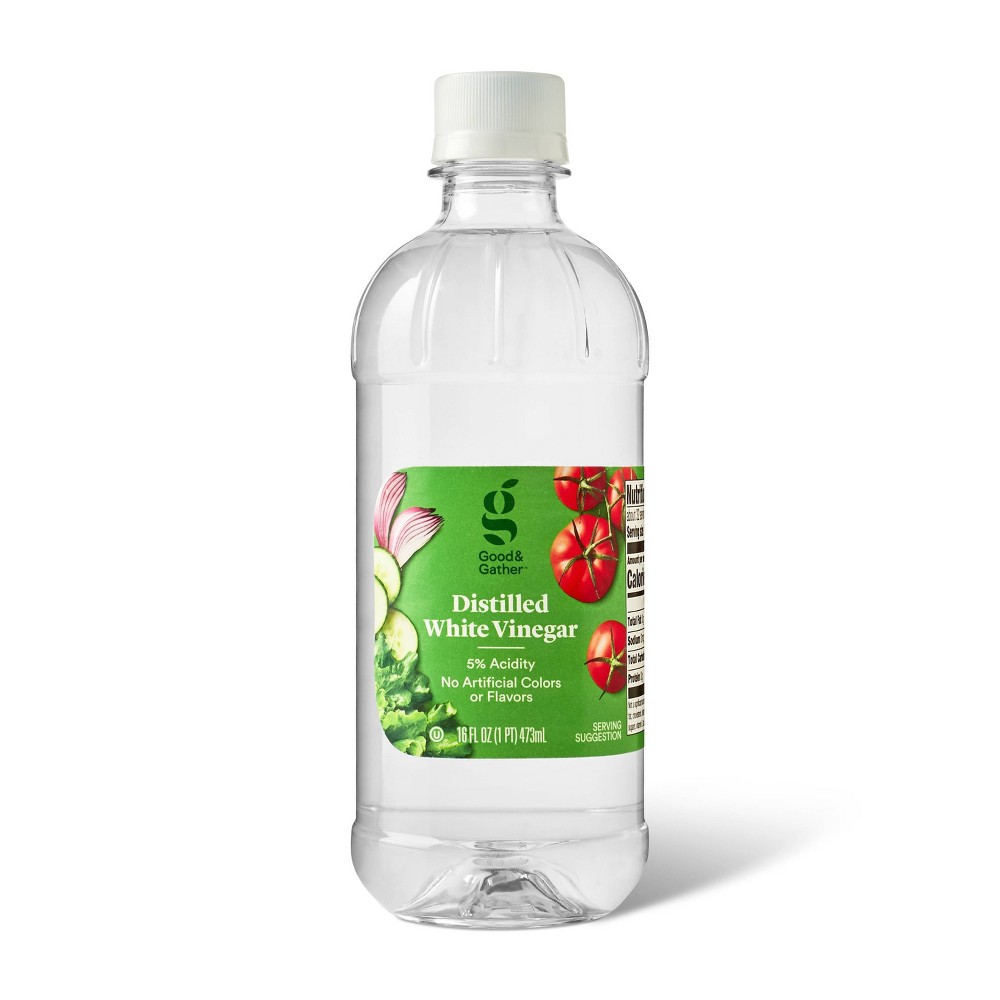
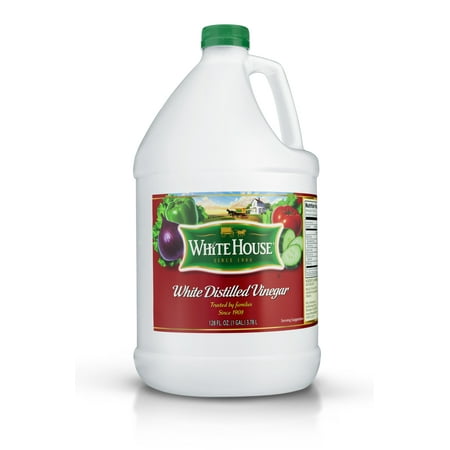
Distilled vinegar is a processed culinary ingredient with a simple ingredient list, primarily consisting of water and barley. It is minimally processed and does not contain any harmful additives or artificial ingredients, making it a relatively clean product. The processing level is moderate, but the absence of problematic ingredients supports a favorable rating.
Key ingredients 4
WaterNeutral
Water is a fundamental ingredient that provides hydration and acts as a base for the vinegar, with no negative or positive health implications.
See more about Water →Malted BarleyNeutral
Standard formulation ingredient — neither beneficial nor harmful at typical use.
See more about Malted Barley →Acidity 5%Neutral
The acidity level is a standard processing parameter that helps preserve the vinegar but does not carry health benefits or risks.
BarleyBad
Barley is a cereal grain that contains gluten, which can cause adverse reactions in sensitive individuals.
See more about Barley →Processing
Processed Culinary Ingredients
Get the full breakdown in the Scout appTake Scout shopping
Scan any product to see lab results, healthy alternatives, and your personalized analysis.
Download on theApp Store GET IT ONGoogle Play