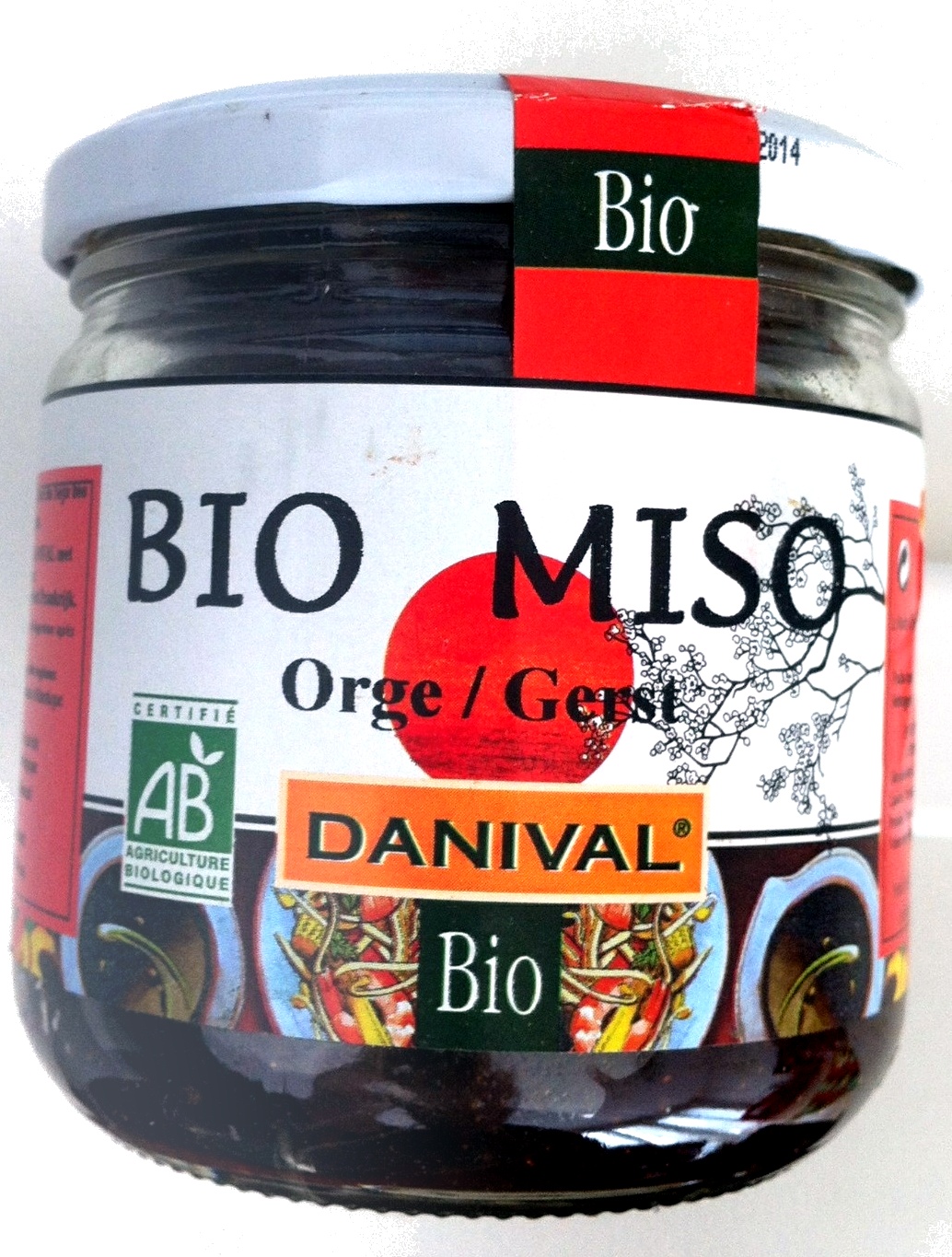
WHITE MISO

At a glance
Summary
White miso is a fermented product made primarily from soybeans, rice, and koji culture, which are beneficial for their protein content and fermentation benefits. The fermentation process enhances nutrient absorption and flavor, making it a nutritious option. However, it is a processed food with a high salt content, which limits its score despite the clean ingredient list.
Key ingredients 6
SoybeansGood
Soybeans are a good source of plant-based protein and essential amino acids. They contain isoflavones, which may have health benefits such as reducing cholesterol levels. Fermentation in miso enhances digestibility and nutrient absorption.
Risks
Soybeans may cause allergic reactions in some individuals and contain phytoestrogens, which can affect hormone levels.
Benefits
Rich in protein and isoflavones, which may support heart health and provide antioxidant properties.
Koji cultureGood
Koji culture is essential for the fermentation process in miso, breaking down starches and proteins into simpler compounds. It enhances flavor and increases the bioavailability of nutrients. Koji is a traditional and natural fermentation agent.
Benefits
Improves flavor and nutrient absorption through fermentation.
WaterNeutral
Water is a neutral ingredient used as a solvent and carrier in food products. It does not provide nutritional benefits or risks. Its presence is essential for the consistency and texture of the product.
See more about Water →RiceNeutral
Rice is a staple carbohydrate source that provides energy. In miso, it acts as a substrate for fermentation, contributing to flavor and texture. It is generally well-tolerated and provides some vitamins and minerals.
Benefits
Provides carbohydrates for energy and some essential nutrients.
SaltNeutral
Salt is used for flavor enhancement and preservation in foods. It is essential for various bodily functions but should be consumed in moderation. In miso, it aids in fermentation and preservation.
Risks
Excessive salt intake can lead to high blood pressure and cardiovascular issues.
Benefits
Essential for maintaining fluid balance and nerve function.
YeastNeutral
Yeast is used in fermentation to develop flavor and texture in miso. It contributes to the breakdown of carbohydrates and proteins. It is generally considered safe and beneficial in fermented foods.
Benefits
Contributes to fermentation, enhancing flavor and nutrient availability.
Processing
Processed Foods
Get the full breakdown in the Scout appTake Scout shopping
Scan any product to see lab results, healthy alternatives, and your personalized analysis.
Are you MISO TASTY? Fix an error Get the badge Get tested