



At a glance
Summary
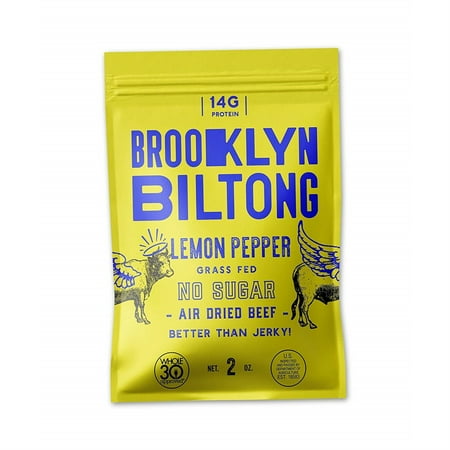
This biltong product is primarily made from beef, which is a high-quality protein source, and includes beneficial spices like garlic and coriander. However, it contains sodium nitrite, a controversial preservative due to potential health risks, and potassium sorbate. The product is processed, which limits its score despite the overall clean ingredient list.
Key ingredients 12
BeefGood
Beef is a high-quality source of protein, providing essential amino acids necessary for muscle repair and growth. It is rich in vitamins and minerals such as iron, zinc, and B vitamins. Grass-fed beef is particularly beneficial due to higher omega-3 fatty acids and antioxidants.
Risks
Excessive consumption of red meat may be linked to increased risk of certain diseases, such as heart disease and colorectal cancer.
Benefits
Provides a rich source of protein and essential nutrients that support overall health and well-being.
Sea SaltGood
Sea salt is a natural source of sodium and trace minerals, which are essential for maintaining fluid balance and nerve function. It is less processed than table salt, retaining more minerals. Its use in moderation can enhance flavor without significant health risks.
Risks
Excessive sodium intake can lead to high blood pressure and increased risk of heart disease.
Benefits
Provides essential minerals and enhances flavor in foods.
Garlic PowderGood
Garlic powder is derived from dehydrated garlic and retains many of its health benefits, including antioxidant properties. It can support immune function and cardiovascular health. Its concentrated form allows for easy incorporation into various dishes.
Benefits
Contains antioxidants and compounds that may support heart health and immune function.
CorianderGood
Coriander is a spice with antioxidant properties and potential digestive benefits. It is used to enhance flavor and may help reduce inflammation. Its seeds contain essential oils that can support digestive health.
Benefits
May aid digestion and provide antioxidant benefits.
Black PepperGood
Beneficial ingredient — whole-food or functional value in this product class.
Benefits
May enhance nutrient absorption and aid digestion.
CayenneGood
Cayenne pepper is known for its capsaicin content, which may boost metabolism and reduce appetite. It adds heat and flavor to dishes and has potential anti-inflammatory properties. Its use in moderation can contribute to a healthy diet.
Risks
Excessive consumption may cause digestive discomfort or irritation.
Benefits
May boost metabolism and provide anti-inflammatory benefits.
CloveGood
Clove is a spice with strong antioxidant properties and potential health benefits, including anti-inflammatory effects. It is used to enhance flavor and may support oral health. Its eugenol content is responsible for many of its beneficial effects.
Benefits
Provides antioxidants and may support oral health and reduce inflammation.
ChilliGood
Chilli peppers contain capsaicin, which may help boost metabolism and reduce appetite. They add heat and flavor to foods and have potential anti-inflammatory properties. Their consumption in moderation can be part of a healthy diet.
Risks
Excessive consumption may cause digestive discomfort or irritation.
Benefits
May boost metabolism and provide anti-inflammatory benefits.
Spirit VinegarNeutral
Spirit vinegar is used as a preservative and flavor enhancer in foods. It is made through the fermentation of ethanol by acetic acid bacteria. While it adds tanginess, it does not provide significant nutritional benefits.
NutmegNeutral
Nutmeg is a spice used for its aromatic properties and flavor enhancement. It contains compounds that may have antioxidant effects. However, it should be used sparingly due to potential toxicity in large amounts.
Risks
High doses of nutmeg can cause toxicity, leading to symptoms like nausea and hallucinations.
Benefits
Provides flavor and may offer antioxidant benefits in small amounts.
Potassium SorbateBad
Synthetic preservative — flagged in daily-use products.
Benefits
Extends shelf life by preventing mold and yeast growth.
Sodium NitriteBad
Sodium nitrite is used as a preservative and color fixative in processed meats. It can form nitrosamines, which are potentially carcinogenic, especially when meats are cooked at high temperatures. Its use is controversial due to potential health risks.
Risks
May form nitrosamines, which are linked to an increased risk of cancer.
Benefits
Helps preserve meat and maintain color.
Processing
Processed Foods
Get the full breakdown in the Scout appTake Scout shopping
Scan any product to see lab results, healthy alternatives, and your personalized analysis.
Download on theApp Store GET IT ONGoogle Play