








Near you
Trader Joe's is carried at Trader Joe stores. Find one within 25 miles.
At a glance
Summary
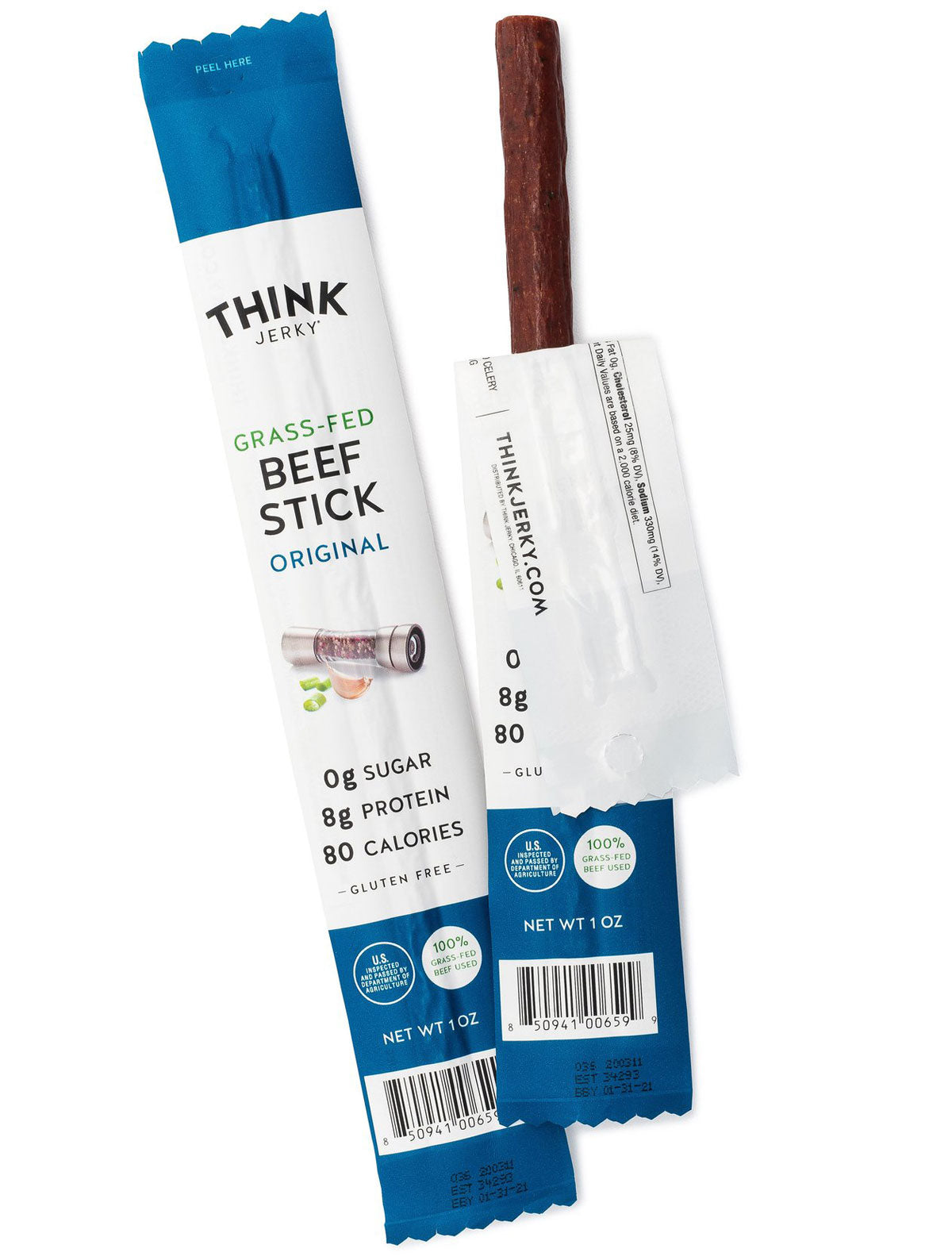
This jerky product contains beneficial ingredients like beef, beef liver, and chicken, which are high-quality protein sources. However, the presence of refined sugar, dextrose, and unspecified natural flavoring detracts from its healthiness. The product is moderately processed, which limits its score despite the inclusion of nutrient-rich components.
Key ingredients 12
Beef liverVery Good
Beef liver is nutrient-dense, providing high levels of vitamin A, iron, and B vitamins. It supports immune function and energy metabolism. As an organ meat, it is one of the most nutrient-rich foods available.
Risks
High vitamin A content can be toxic in excessive amounts.
Benefits
Excellent source of essential vitamins and minerals, supporting various bodily functions.
BeefGood
Beef is a high-quality source of protein and essential nutrients like iron and zinc. It provides a complete amino acid profile, supporting muscle growth and repair. Grass-fed beef is particularly beneficial due to higher omega-3 content.
Risks
Excessive consumption of red meat may be linked to increased risk of certain diseases.
Benefits
Rich in protein and essential nutrients, supporting overall health and muscle maintenance.
ChickenGood
Chicken is a lean protein source that supports muscle growth and maintenance. It is versatile and provides essential amino acids. When pasture-raised, it offers better nutrient profiles.
Benefits
Provides lean protein and essential nutrients, supporting muscle health and overall nutrition.
Oil of garlicGood
Oil of garlic is used for its flavor and potential health benefits. It contains compounds that may support heart health and have antimicrobial properties. It is a concentrated form of garlic, offering similar benefits.
Benefits
May support heart health and provide antimicrobial benefits.
GlycerinNeutral
Glycerin is a sugar alcohol used as a sweetener and humectant. It is generally recognized as safe and has a lower glycemic index than sugar. It is used to retain moisture in foods.
Risks
Excessive consumption may cause digestive discomfort.
Benefits
Helps retain moisture in foods and has a lower glycemic impact than sugar.
SaltNeutral
Salt is used to enhance flavor and preserve food. It is essential for maintaining fluid balance and nerve function. Excessive intake can lead to health issues.
Risks
High sodium intake is linked to hypertension and cardiovascular diseases.
Benefits
Essential for fluid balance and nerve function but should be consumed in moderation.
Cultured wheyNeutral
Cultured whey is a byproduct of cheese production, used for its probiotic benefits. It can support gut health and digestion. It is a source of protein and beneficial bacteria.
Risks
May cause issues for individuals with lactose intolerance.
Benefits
Supports gut health and provides protein and beneficial bacteria.
Natural smoke flavorNeutral
Natural smoke flavor is used to impart a smoky taste to foods. It is derived from burning wood and capturing the smoke. It adds flavor without the need for actual smoking.
Benefits
Enhances flavor without the need for traditional smoking methods.
Wheat flourBad
Refined grain flour stripped of bran and germ.
Risks
May cause issues for individuals with gluten intolerance or celiac disease.
Benefits
Provides carbohydrates for energy but lacks significant nutritional benefits.
SugarBad
Refined sugar is a simple carbohydrate that can lead to spikes in blood sugar levels. It provides empty calories with no nutritional benefits. Excessive consumption is linked to various health issues.
Risks
High intake can contribute to obesity, diabetes, and other metabolic disorders.
DextroseBad
Dextrose is a form of glucose used as a sweetener and energy source. It can rapidly increase blood sugar levels. It is often used in processed foods, contributing to excessive sugar intake.
Risks
May lead to blood sugar spikes and contribute to metabolic disorders if consumed in excess.
Benefits
Provides quick energy but lacks other nutritional benefits.
Natural flavoringBad
Natural flavoring is a broad term that lacks transparency about its specific components. It can include a variety of substances derived from natural sources. The lack of specificity can be concerning for those with allergies or sensitivities.
Risks
Potential allergen risk due to unspecified components.
Benefits
Adds flavor to foods but lacks nutritional benefits.
Processing
Processed Foods
Get the full breakdown in the Scout appTake Scout shopping
Scan any product to see lab results, healthy alternatives, and your personalized analysis.
Download on theApp Store GET IT ONGoogle Play