


At a glance
Summary
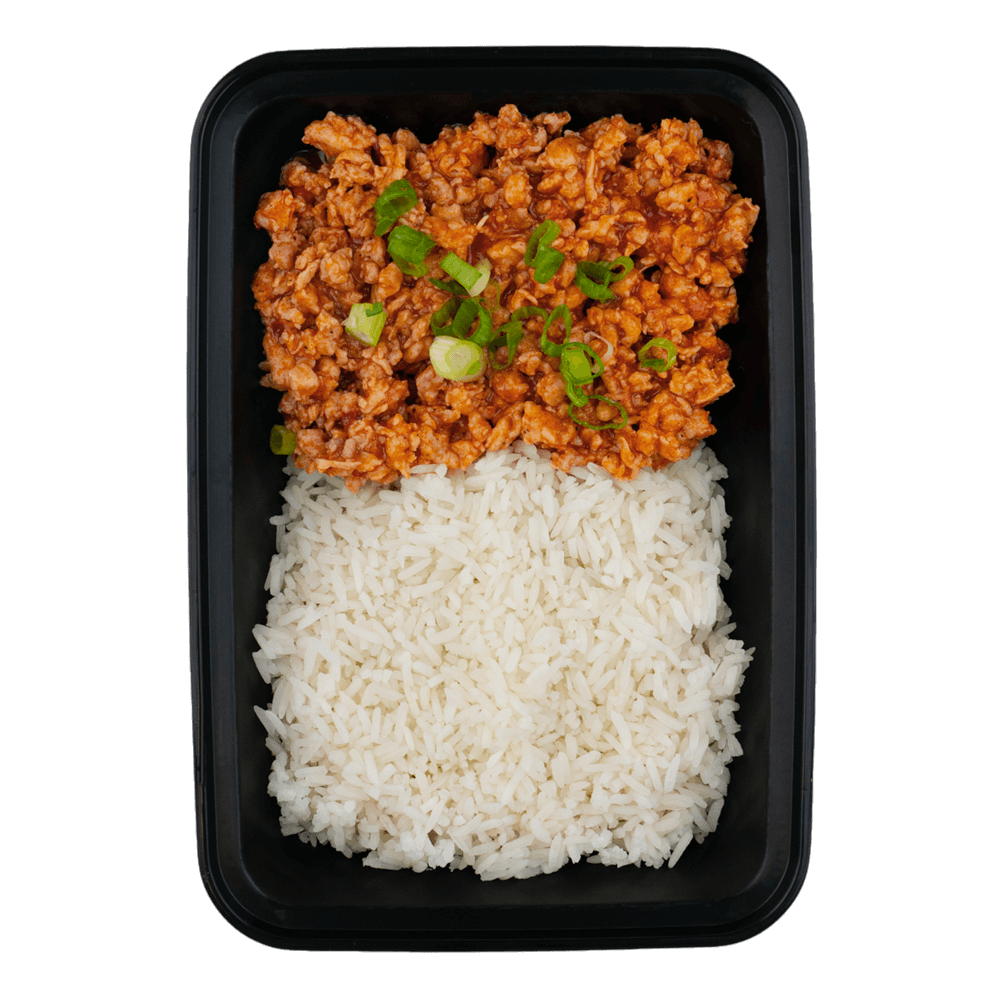
This product contains a mix of minimally processed ingredients like chicken, peppers, and coconut aminos, which are beneficial for health. However, it is classified as ultra-processed due to the presence of additives such as preservatives and stabilizers, and it includes refined sugar, which is a concern for health when consumed in excess. The processing level and the inclusion of sugar limit its overall health score.
Key ingredients 17
ChickenGood
Chicken is a high-quality source of protein that supports muscle growth and repair. It is minimally processed when used as chicken breast. The inclusion of salt is standard for flavor enhancement.
Risks
Excessive consumption of salt can lead to increased blood pressure.
Benefits
Provides essential amino acids necessary for various bodily functions and is low in fat.
Green PepperGood
Green pepper is a low-calorie vegetable rich in vitamins and antioxidants. It is minimally processed and adds flavor and nutrients to the dish. It contains vitamin C, which supports immune function.
Benefits
Rich in antioxidants and vitamins, contributing to overall health.
Red PepperGood
Red pepper is a nutrient-dense vegetable high in vitamins A and C. It is minimally processed and enhances the flavor profile of the dish. It provides antioxidants that help reduce inflammation.
Benefits
Offers vitamins and antioxidants that support immune health and reduce oxidative stress.
Coconut AminosGood
Coconut aminos is a soy-free alternative to soy sauce, made from coconut sap and sea salt. It is less processed and contains lower sodium levels compared to traditional soy sauce. It adds a savory flavor with potential health benefits from coconut sap.
Benefits
Provides a lower sodium alternative to soy sauce with potential benefits from coconut sap.
Spring OnionGood
Spring onion is a fresh vegetable that adds flavor and nutrients. It is minimally processed and provides vitamins and antioxidants. It enhances the dish with a mild onion flavor.
Benefits
Rich in vitamins and antioxidants, contributing to flavor and nutritional value.
Garlic PureeGood
Garlic puree is a concentrated form of garlic, offering flavor and health benefits. It is minimally processed and retains the beneficial compounds of fresh garlic. Garlic is known for its potential cardiovascular benefits.
Benefits
Contains allicin, which may support heart health and immune function.
Crushed ChilliGood
Crushed chilli adds heat and flavor, containing capsaicin which may have health benefits. It is minimally processed and enhances the dish's spiciness. Capsaicin is known for its potential metabolism-boosting effects.
Risks
May cause irritation or discomfort in sensitive individuals.
Benefits
Contains capsaicin, which may boost metabolism and provide anti-inflammatory effects.
WaterNeutral
Water is used as a solvent and to maintain moisture in the product. It is a neutral ingredient with no direct nutritional impact. It helps in maintaining the texture and consistency of the dish.
See more about Water →Long Grain RiceNeutral
Long grain rice is a staple carbohydrate source providing energy. It is minimally processed and retains some nutrients. It serves as a base for the dish, complementing the protein content.
Risks
Overconsumption can lead to excessive calorie intake.
Benefits
Provides a source of energy and some essential nutrients like B vitamins.
Sriracha SauceNeutral
Sriracha sauce adds flavor and spice, containing chili, sugar, and garlic. It includes additives like acetic acid and xanthan gum for preservation and texture. While flavorful, it contains sugar and preservatives.
Risks
Contains sugar and preservatives which may be a concern for some individuals.
Benefits
Adds flavor and spice, enhancing the overall taste of the dish.
Agave SyrupNeutral
Agave syrup is a natural sweetener with a lower glycemic index than sugar. It is less processed than refined sugars but still contributes to calorie intake. It is used as a sweetener but should be consumed in moderation.
Risks
High fructose content may affect liver health if consumed in large amounts.
Benefits
Offers a lower glycemic index alternative to sugar, reducing blood sugar spikes.
CornflourNeutral
Cornflour is used as a thickening agent in cooking. It is a refined carbohydrate with minimal nutritional value. It helps achieve the desired consistency in sauces and soups.
Benefits
Provides texture and consistency to dishes.
Acetic AcidNeutral
Acetic acid is used as an acidity regulator and preservative. It is a common food additive with no significant nutritional impact. It helps maintain the stability and shelf life of the product.
See more about Acetic Acid →Citric AcidNeutral
Citric acid is a natural preservative and acidity regulator. It is widely used in food processing to enhance flavor and preserve freshness. It is generally recognized as safe when used in moderation.
Benefits
Helps preserve food and enhance flavor.
Xanthan GumNeutral
Xanthan gum is a thickening agent used to improve texture. It is a polysaccharide produced through fermentation and is commonly used in processed foods. It provides no nutritional value but enhances product consistency.
Risks
May cause digestive discomfort in sensitive individuals.
Benefits
Improves texture and stability in food products.
SugarBad
Sugar is a refined carbohydrate that provides quick energy but lacks nutritional value. It is highly processed and can contribute to health issues like obesity and diabetes when consumed in excess. It is used for sweetness but should be limited in a healthy diet.
Risks
Excessive consumption can lead to obesity, diabetes, and other metabolic disorders.
Benefits
Provides quick energy but should be consumed in moderation.
Potassium SorbateBad
Synthetic preservative — flagged in daily-use products.
Benefits
Prevents spoilage and extends shelf life of food products.
Processing
Ultra-Processed Foods
Get the full breakdown in the Scout appTake Scout shopping
Scan any product to see lab results, healthy alternatives, and your personalized analysis.
Download on theApp Store GET IT ONGoogle Play