
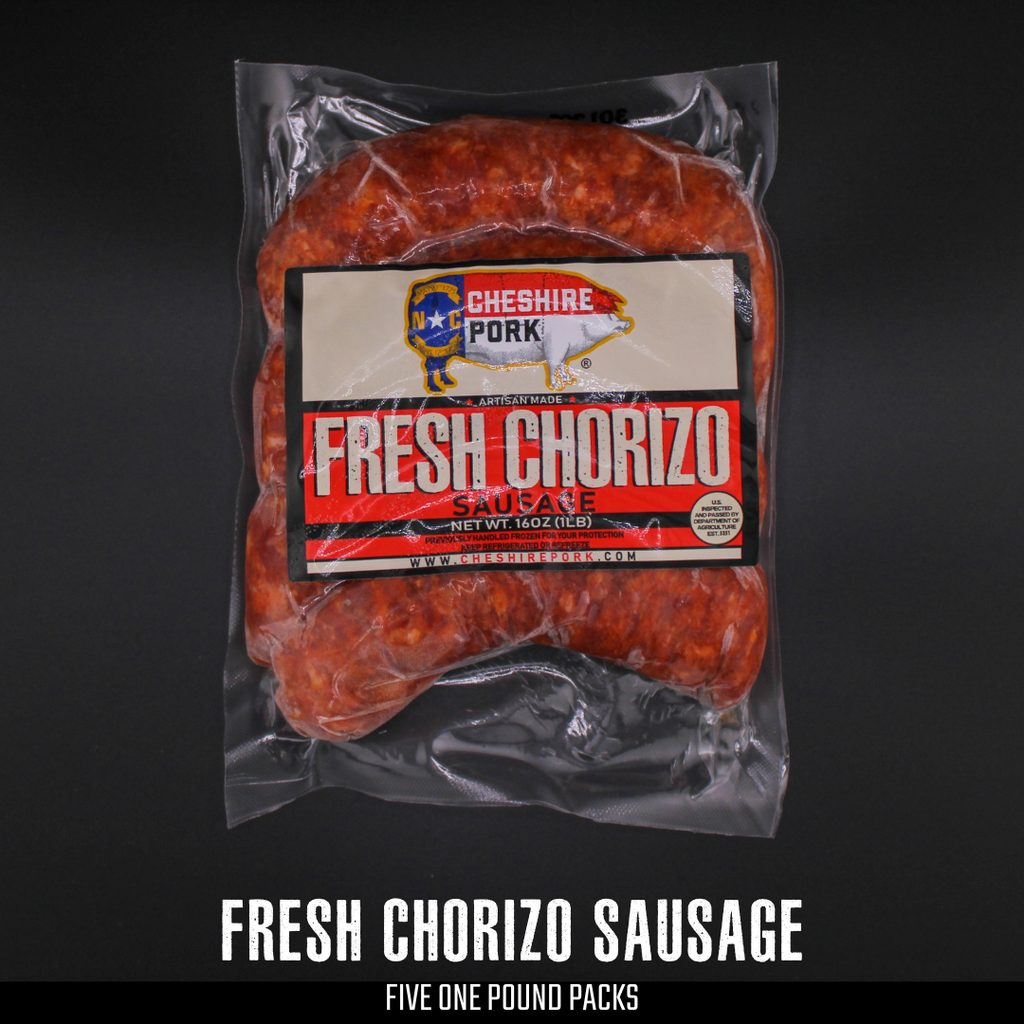
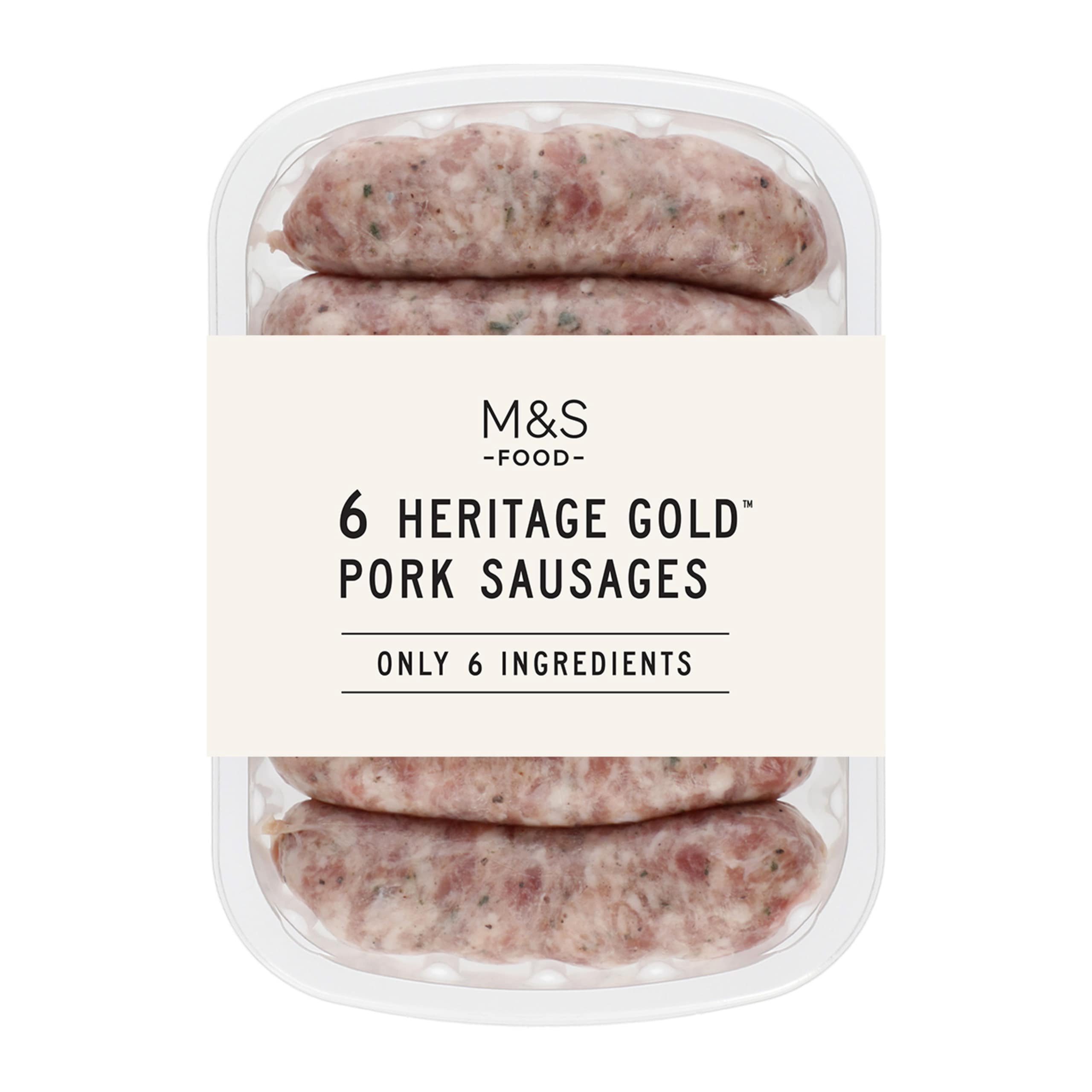


Chorizo Style Pork Sausages
Analysis updated August 2026 · How Scout scores
At a glance
Summary
The chorizo style pork sausages contain high-quality British pork and roasted red peppers, which are beneficial ingredients providing essential nutrients and flavor. However, the product is ultra-processed, which limits its health score potential. Additionally, the presence of additives such as triphosphates and sodium metabisulphite, which can affect mineral balance and cause allergic reactions, further impacts the overall rating.
Key ingredients 22
British PorkGood
British Pork is a high-quality meat source that provides essential proteins and nutrients, contributing positively to the product.
Roasted Red PeppersGood
Roasted Red Peppers are rich in vitamins and antioxidants, adding flavor and nutritional value to the sausages.
Smoked PaprikaGood
Smoked Paprika adds flavor and contains antioxidants, enhancing taste while providing some health benefits.
See more about Smoked Paprika →Ground Black PepperGood
Ground Black Pepper enhances flavor and contains compounds that may support digestion and overall health.
Paprika PowderGood
Paprika Powder adds vibrant color and flavor, along with antioxidants that can support health.
Cayenne PepperGood
Cayenne Pepper provides a spicy kick and contains capsaicin, which may boost metabolism and add flavor.
See more about Cayenne Pepper →Ground CuminGood
Ground Cumin offers a warm flavor and contains antioxidants, contributing to the overall taste and nutritional profile.
See more about Ground Cumin →Dried Red Bell PepperGood
Dried Red Bell Pepper adds sweetness and nutrients, enriching the flavor and nutritional content.
Dried TomatoGood
Dried Tomato provides umami flavor and antioxidants, enhancing taste and nutritional value.
Dried GarlicGood
Dried Garlic adds flavor and contains compounds that may support immune health.
See more about Dried Garlic →Dried OreganoGood
Dried Oregano offers aromatic flavor and antioxidants, contributing to the product's taste and health benefits.
See more about Dried Oregano →Paprika ExtractGood
Paprika Extract enhances flavor and color, with antioxidant properties that support health.
See more about Paprika Extract →Ascorbic AcidGood
Ascorbic Acid, or Vitamin C, acts as an antioxidant and supports overall health.
See more about Ascorbic Acid →Dried ChilliGood
Dried Chilli adds spice and contains capsaicin, which may support metabolism and add flavor.
WaterNeutral
Water is used as a base ingredient to maintain moisture and texture in the product without affecting its nutritional profile.
See more about Water →Rice FlourNeutral
Rice Flour acts as a filler and binder, helping to improve texture without significant nutritional impact.
See more about Rice Flour →SaltNeutral
Salt is essential for flavor and preservation, though it should be consumed in moderation.
See more about Salt →Gram FlourNeutral
Gram Flour is used as a binder and filler, providing structure without significant health concerns.
Maize StarchNeutral
Maize Starch is used as a thickener and filler, with minimal impact on nutrition.
See more about Maize Starch →DextroseBad
Dextrose is a form of sugar that can contribute to excessive calorie intake and may impact blood sugar levels.
See more about Dextrose →Sodium MetabisulphiteBad
Sodium Metabisulphite is a preservative that may cause sensitivities or allergic reactions in some individuals.
TriphosphatesVery Bad
Triphosphates are additives used as stabilizers, but excessive consumption may be linked to health concerns related to processed foods.
Processing
Ultra-Processed Foods
Get the full breakdown in the Scout appTake Scout shopping
Scan any product to see lab results, healthy alternatives, and your personalized analysis.
Download on theApp Store GET IT ONGoogle Play