


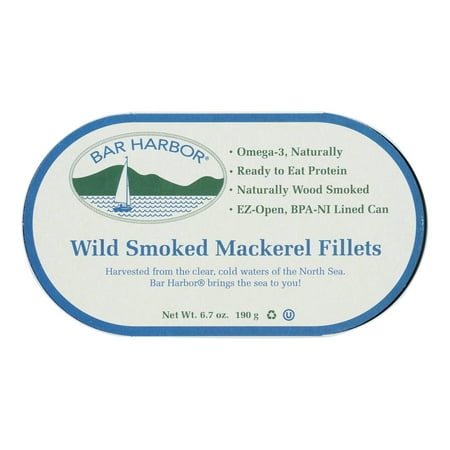
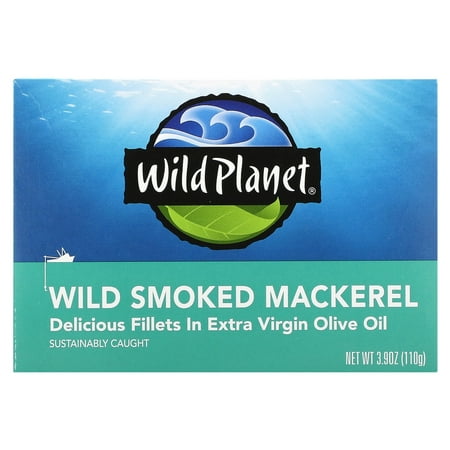

Wild Caught Mackerel in Oil
Analysis updated September 2026 · How Scout scores
At a glance
Summary
This product contains wild-caught mackerel, which is a high-quality source of protein and omega-3 fatty acids, beneficial for heart health. However, the use of soybean oil, a seed oil high in omega-6 fatty acids, detracts from its nutritional profile due to potential inflammatory effects. The product is processed, which limits its score despite the presence of beneficial nutrients.
Key ingredients 4
MackerelGood
Mackerel is a high-quality source of protein and omega-3 fatty acids, which are beneficial for heart health. It is a wild-caught fish, reducing concerns about farming practices and contaminants. The presence of essential nutrients like vitamin D and selenium further enhances its nutritional profile.
Risks
Potential mercury content is a concern, especially for pregnant women and children.
Benefits
Rich in omega-3 fatty acids that support cardiovascular health and reduce inflammation. Provides essential nutrients like vitamin D and selenium.
WaterNeutral
Water is used as a filler or medium in many food products and does not contribute significant nutritional value. It is a neutral ingredient with no direct health impact. Its presence helps maintain moisture and texture in the product.
See more about Water →SaltNeutral
Salt is used for flavor enhancement and preservation in food products. It is a refined ingredient without the trace minerals found in unrefined salts. Excessive consumption can lead to health issues such as hypertension.
Risks
Excessive salt intake can contribute to high blood pressure and cardiovascular issues.
Soybean OilVery Bad
Soybean oil is a seed oil high in omega-6 fatty acids, which can promote inflammation when consumed in excess. It is often highly processed, which may involve chemical extraction methods. Compared to healthier oils like olive or avocado oil, it offers fewer health benefits.
Risks
High omega-6 content may promote inflammation and imbalance omega-3 to omega-6 ratio.
Processing
Processed Foods
Get the full breakdown in the Scout appTake Scout shopping
Scan any product to see lab results, healthy alternatives, and your personalized analysis.
Download on theApp Store GET IT ONGoogle Play