

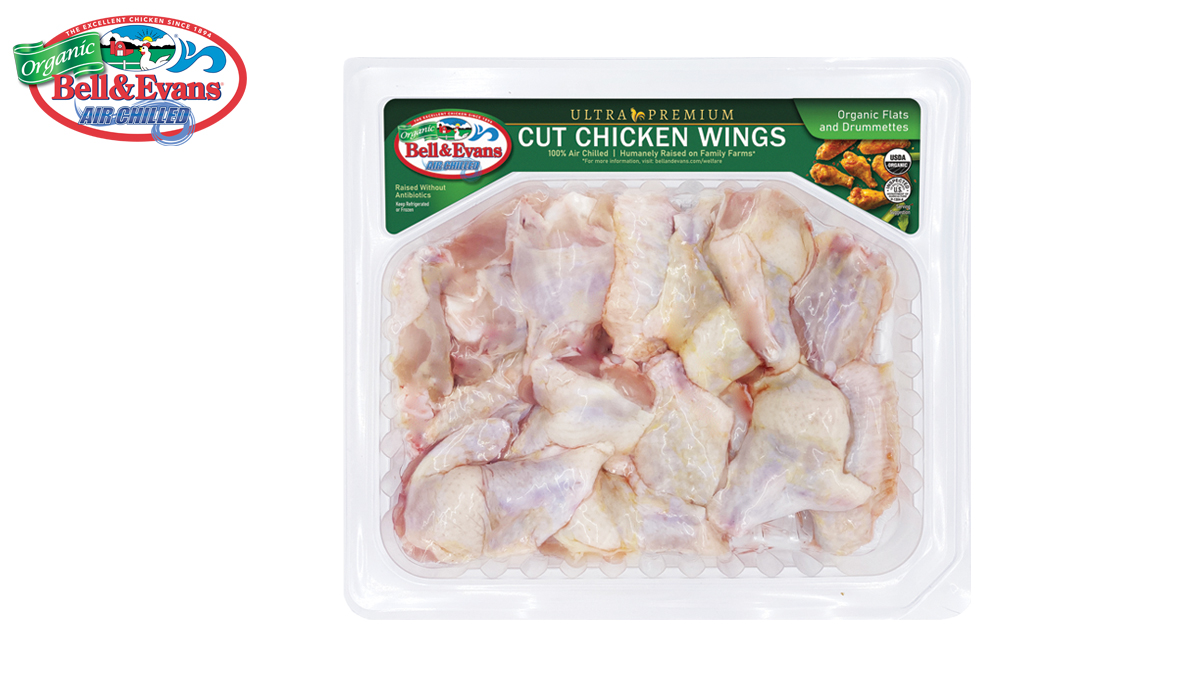


SLOW COOKED HOT HONEY CHICKEN WINGS New 3-10 21 DE
Analysis updated August 2026 · How Scout scores
At a glance
Summary
This product is ultra-processed due to the presence of multiple processed ingredients such as sugar, dextrose, and corn starch. While it contains beneficial spices and chicken wings, the high level of processing and added sugars contribute to a lower health score. The use of refined sugars and the overall processing level limit its nutritional quality despite some positive ingredients.
Key ingredients 17
Chicken wingsGood
Chicken wings are a source of high-quality animal protein, providing essential amino acids. They are minimally processed and offer nutrients like B vitamins and minerals. The presence of bones can enhance flavor and nutrient content when cooked.
Risks
Consumption of chicken wings with skin can increase saturated fat intake. Bones pose a choking hazard if not handled properly.
Benefits
Rich in protein and essential nutrients, supporting muscle growth and repair. Cooking with bones can enhance nutrient absorption and flavor.
SpicesGood
Spices like chili flakes and chili powder add flavor and potential health benefits due to their antioxidant properties. They can enhance the taste of food without adding calories. Spices are often used in small amounts but can have significant health impacts.
Risks
Some individuals may experience digestive discomfort or allergic reactions to certain spices.
Benefits
Rich in antioxidants and can support metabolic health. They add flavor without additional calories.
Garlic powderGood
Concentrated whole-food seasoning.
Benefits
May provide some of the health benefits associated with fresh garlic, such as supporting heart health.
Red pepper flakesGood
Red pepper flakes add heat and flavor to dishes and contain capsaicin, which may have health benefits. They are a low-calorie way to enhance the taste of food. Capsaicin is known for its potential metabolism-boosting properties.
Risks
May cause digestive discomfort in sensitive individuals.
Benefits
Contains capsaicin, which may support metabolism and provide antioxidant benefits.
Dried tomatoGood
Dried tomatoes are concentrated sources of flavor and nutrients like lycopene. They retain many of the beneficial compounds found in fresh tomatoes. Lycopene is an antioxidant linked to reduced risk of certain diseases.
Benefits
Rich in antioxidants like lycopene, which may support heart health and reduce inflammation.
Ground oreganoGood
Ground oregano is a spice known for its antioxidant and antimicrobial properties. It adds flavor and potential health benefits to dishes. Oregano contains compounds like thymol and carvacrol, which may support immune health.
Benefits
Rich in antioxidants and may support immune health and reduce inflammation.
Oregano leavesGood
Oregano leaves are used for flavor and have potential health benefits due to their antioxidant content. They are a source of compounds that may support health. Oregano is often used in Mediterranean diets for its flavor and health properties.
Benefits
Contains antioxidants that may support immune health and reduce inflammation.
Hot honey glazeNeutral
The hot honey glaze is a combination of water, sugar, honey, cornflour, chili flakes, and chili powder. It provides flavor and sweetness but is primarily composed of sugars. The glaze adds a spicy-sweet profile to the dish.
Risks
High sugar content can contribute to increased calorie intake and potential blood sugar spikes.
Benefits
Adds flavor and a unique spicy-sweet taste to the dish, enhancing the overall eating experience.
Onion powderNeutral
Onion powder is a dehydrated form of onion that provides flavor without the bulk of fresh onions. It is a convenient way to add onion flavor to dishes. The dehydration process retains some of the onion's natural compounds.
Benefits
Adds flavor and some antioxidant properties from onions.
SaltNeutral
Salt is used as a seasoning and preservative in foods. It is essential for maintaining fluid balance and nerve function. However, excessive intake can lead to health issues.
Risks
High sodium intake is associated with increased risk of hypertension and cardiovascular disease.
Benefits
Essential for maintaining electrolyte balance and proper muscle function.
Corn starchNeutral
Corn starch is a carbohydrate used as a thickening agent in foods. It is highly processed and provides no significant nutrients. It is commonly used in small amounts to improve texture.
Benefits
Improves texture and consistency of sauces and glazes.
Rice flourNeutral
Rice flour is a gluten-free flour used as a thickening agent or coating. It is a refined carbohydrate with limited nutritional value. It is often used in small amounts in processed foods.
Benefits
Provides a gluten-free alternative for thickening and coating.
Dried onionNeutral
Dried onion provides flavor and some of the beneficial compounds found in fresh onions. It is a convenient way to add onion flavor without the bulk. The drying process retains some nutrients but reduces water content.
Benefits
Adds flavor and some antioxidant properties from onions.
Green pepper flakesNeutral
Green pepper flakes add flavor and color to dishes. They are a dehydrated form of green peppers and retain some nutrients. The drying process concentrates flavor but reduces water content.
Benefits
Adds flavor and some vitamins from green peppers.
Paprika extractNeutral
Paprika extract is used for color and flavor in foods. It is derived from paprika peppers and contains some antioxidants. The extract provides a natural colorant without artificial additives.
Benefits
Provides natural color and some antioxidant properties.
SugarBad
Refined sugar is a high-calorie ingredient with no essential nutrients. It can contribute to weight gain and metabolic issues when consumed in excess. The presence of sugar in processed foods is often linked to increased risk of chronic diseases.
Risks
Excessive consumption can lead to obesity, type 2 diabetes, and dental cavities.
DextroseBad
Dextrose is a simple sugar derived from corn and is used as a sweetener. It is rapidly absorbed and can cause spikes in blood sugar levels. Frequent consumption of dextrose can contribute to metabolic issues.
Risks
May lead to rapid blood sugar spikes and contribute to insulin resistance if consumed in excess.
Processing
Ultra-Processed Foods
Get the full breakdown in the Scout appTake Scout shopping
Scan any product to see lab results, healthy alternatives, and your personalized analysis.
Download on theApp Store GET IT ONGoogle Play