


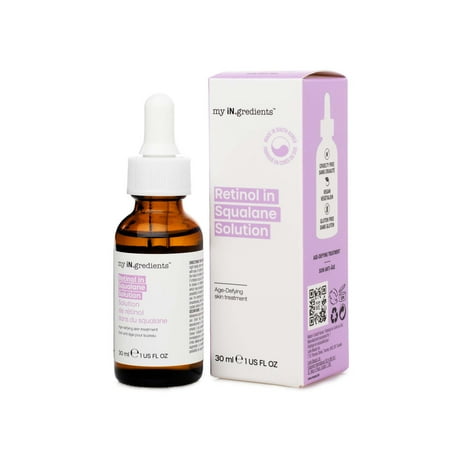
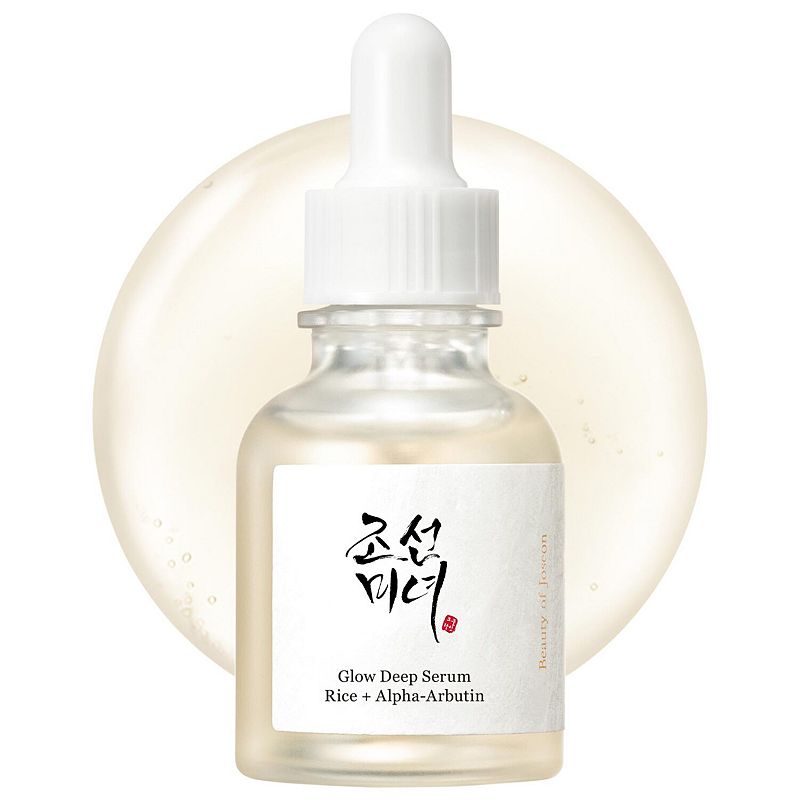

The INKEY List SuperSolutions 10% Azelaic Serum Redness Relief Solution, Size: 1 FL Oz, None
Analysis updated September 2026 · How Scout scores
At a glance
Summary
This serum contains beneficial ingredients like azelaic acid, allantoin, and glycerin, which are known for their skin-soothing and hydrating properties. However, the presence of phenoxyethanol, a preservative that can cause irritation in sensitive individuals, slightly lowers the score. The product has a relatively clean ingredient list with minimal synthetic additives, contributing to a favorable processing level.
Key ingredients 17
Azelaic AcidVery Good
Azelaic Acid is known for its anti-inflammatory and antimicrobial properties. It is effective in treating acne and rosacea by reducing redness and swelling. It also helps to unclog pores and improve skin texture.
Risks
Some individuals may experience mild irritation or dryness when first using azelaic acid.
Benefits
Azelaic acid can improve skin tone and texture, making it beneficial for those with acne-prone or sensitive skin.
AllantoinGood
Allantoin is a skin-conditioning agent known for its soothing and healing properties. It helps to protect the skin and promote cell regeneration. It is beneficial for sensitive and irritated skin.
Risks
Allantoin is generally well-tolerated, with minimal risk of irritation.
Benefits
It soothes and protects the skin, making it ideal for sensitive or irritated skin types.
GlycerinGood
Glycerin is a humectant that attracts moisture to the skin, helping to keep it hydrated. It is widely used in cosmetics for its moisturizing properties. It is generally considered safe and beneficial for all skin types.
Risks
Glycerin is generally safe, but in rare cases, it may cause irritation if used in high concentrations.
Benefits
It helps to maintain skin hydration, improving the skin's overall appearance and texture.
Aqua (Water)Neutral
Aqua is commonly used as a solvent in cosmetic formulations. It helps dissolve other ingredients and provides a base for the product. It is generally considered safe and inert.
Risks
There are no significant risks associated with water in cosmetic formulations.
Benefits
Water acts as a carrier for active ingredients, allowing them to be evenly distributed on the skin.
PropanediolNeutral
Propanediol is a glycol that is used as a solvent and skin-conditioning agent. It helps to improve the texture and feel of the product. It is generally considered safe for use in cosmetics.
Risks
Propanediol can cause skin irritation in some sensitive individuals.
Benefits
It enhances the absorption of other ingredients and provides a smooth application.
Hydroxyethyl Acrylate/Sodium Acryloyldimethyl Taurate CopolymerNeutral
This copolymer is used as a thickening agent and stabilizer in cosmetic formulations. It helps to create a smooth and consistent texture. It is generally considered safe for use in cosmetics.
Risks
There are minimal risks associated with this ingredient, though it may cause irritation in very sensitive skin.
Benefits
It provides a desirable texture and consistency to the product, enhancing user experience.
Acacia Senegal GumNeutral
Acacia Senegal Gum is a natural gum used as a thickening agent and stabilizer. It helps to improve the texture and consistency of cosmetic products. It is generally considered safe for use in cosmetics.
Risks
There are minimal risks associated with this ingredient, though it may cause irritation in very sensitive skin.
Benefits
It provides a natural alternative to synthetic thickeners, enhancing the product's texture.
Xanthan GumNeutral
Xanthan Gum is a polysaccharide used as a thickening and stabilizing agent in cosmetics. It helps to improve the texture and consistency of products. It is generally considered safe for use in cosmetics.
Risks
Xanthan Gum can cause irritation in very sensitive individuals.
Benefits
It provides a smooth and consistent texture, enhancing the application of the product.
EthylhexylglycerinNeutral
Ethylhexylglycerin is used as a skin-conditioning agent and preservative enhancer. It helps to improve the efficacy of preservatives in cosmetic formulations. It is generally considered safe for use in cosmetics.
Risks
Ethylhexylglycerin can cause irritation in sensitive individuals.
Benefits
It enhances the effectiveness of preservatives, helping to maintain product integrity.
Sorbitan IsostearateNeutral
Sorbitan Isostearate is an emulsifier used to stabilize cosmetic formulations. It helps to blend oil and water-based ingredients. It is generally considered safe for use in cosmetics.
Risks
Sorbitan Isostearate can cause irritation in sensitive individuals.
Benefits
It helps to create a stable and consistent product formulation.
MaltodextrinNeutral
Maltodextrin is used as a binding and stabilizing agent in cosmetics. It helps to improve the texture and consistency of products. It is generally considered safe for use in cosmetics.
Risks
Maltodextrin can cause irritation in sensitive individuals.
Benefits
It provides a smooth texture and helps to stabilize the product formulation.
Sodium HydroxideNeutral
Sodium Hydroxide is used to adjust the pH of cosmetic formulations. It helps to maintain the stability and efficacy of the product. It is generally considered safe when used in low concentrations.
Risks
Sodium Hydroxide can be irritating in high concentrations, but it is typically used in safe amounts in cosmetics.
Benefits
It helps to maintain the desired pH level, ensuring product stability and performance.
Hydrolyzed Gardenia Florida ExtractNeutral
Hydrolyzed Gardenia Florida Extract is used for its fragrance and potential antioxidant properties. It adds a pleasant scent to cosmetic products. It is generally considered safe for use in cosmetics.
Risks
Fragrance components can cause irritation or allergic reactions in sensitive individuals.
Benefits
It may provide antioxidant benefits and adds a natural fragrance to the product.
Gardenia Florida Fruit ExtractNeutral
Gardenia Florida Fruit Extract is used for its fragrance and potential antioxidant properties. It adds a pleasant scent to cosmetic products. It is generally considered safe for use in cosmetics.
Risks
Fragrance components can cause irritation or allergic reactions in sensitive individuals.
Benefits
It may provide antioxidant benefits and adds a natural fragrance to the product.
PolylysineNeutral
Polylysine is used as a preservative and antimicrobial agent in cosmetics. It helps to extend the shelf life of products by preventing microbial growth. It is generally considered safe for use in cosmetics.
Risks
Polylysine can cause irritation in sensitive individuals.
Benefits
It helps to maintain product integrity by preventing microbial contamination.
PhenoxyethanolBad
Phenoxyethanol is a preservative used to prevent microbial growth in cosmetics. It is effective in extending the shelf life of products. However, it can cause skin irritation and allergic reactions in some individuals.
Risks
Phenoxyethanol can cause irritation and allergic reactions, particularly in sensitive individuals.
Benefits
It helps to maintain the integrity of the product by preventing microbial contamination.
Polysorbate 60Bad
Processed additive flagged under Scout's ingredient doctrine.
Risks
Polysorbate 60 can cause irritation in sensitive individuals.
Benefits
It helps to create a stable and consistent product formulation.
Get the full breakdown in the Scout appTake Scout shopping
Scan any product to see lab results, healthy alternatives, and your personalized analysis.
Download on theApp Store GET IT ONGoogle PlayAmazon pricing & content
Amazon price as of . Product prices and availability are accurate as of the date/time indicated and are subject to change. Any price and availability information displayed on Amazon.com at the time of purchase will apply to the purchase of this product.
CERTAIN CONTENT THAT APPEARS ON THIS SITE COMES FROM AMAZON. THIS CONTENT IS PROVIDED “AS IS” AND IS SUBJECT TO CHANGE OR REMOVAL AT ANY TIME.