

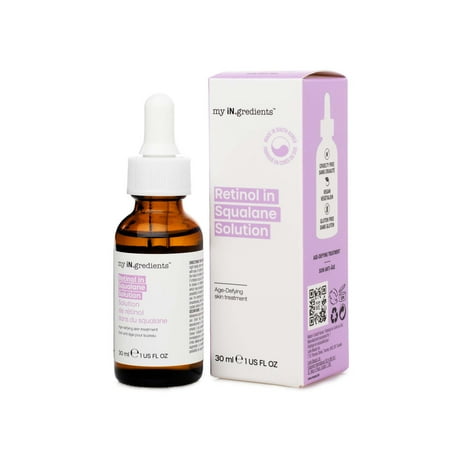
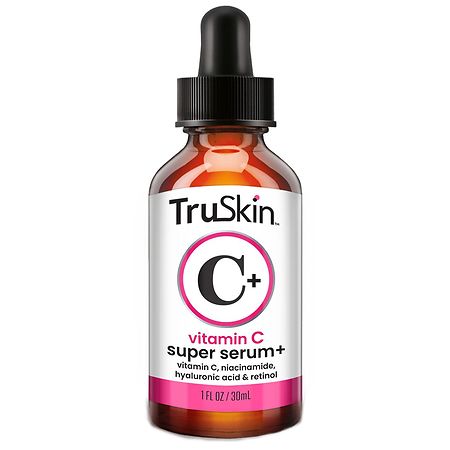
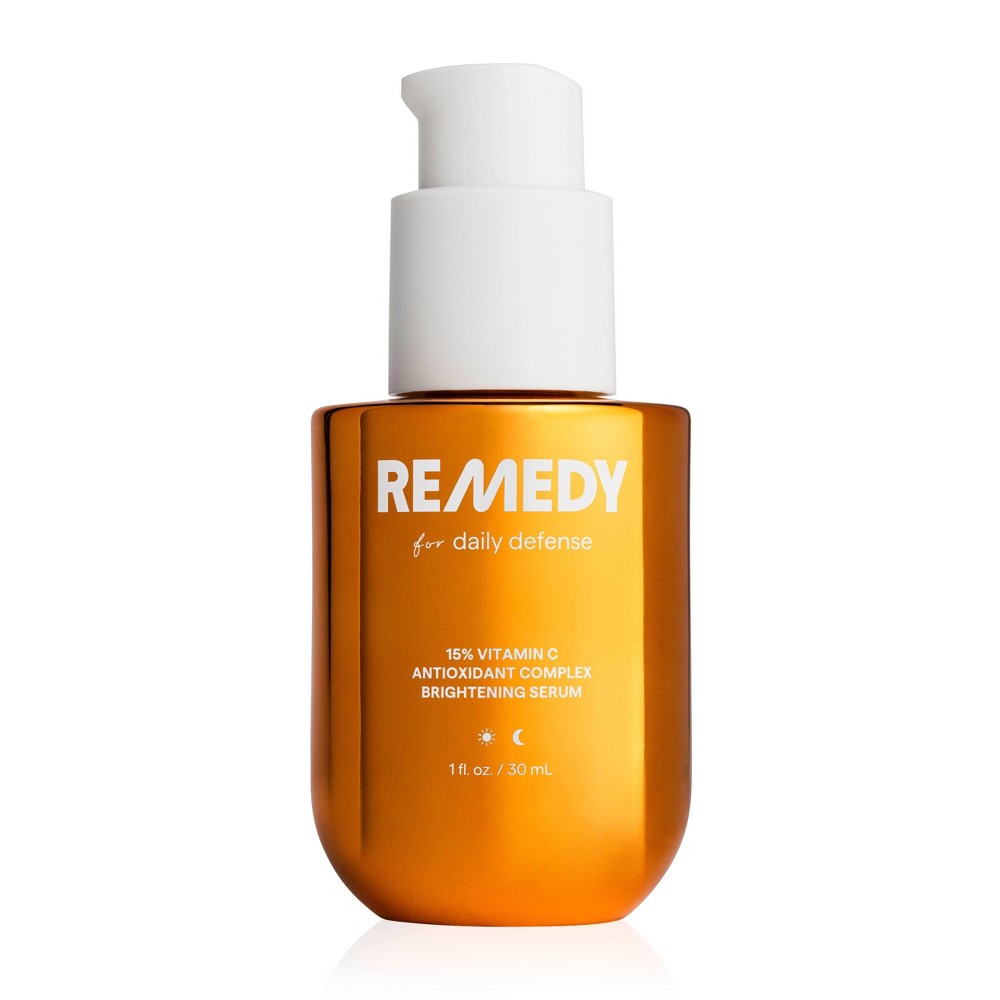
Lifecell (Life Cell) Anti Aging Wrinkle South Beach Skin Care 2.54oz
Analysis updated August 2026 · How Scout scores
At a glance
Summary
This anti-aging serum contains beneficial ingredients like shea butter, retinol, and oat kernel extract, which are known for their moisturizing and anti-aging properties. However, the presence of dimethylethanolamine, which can cause skin irritation and has potential safety concerns, affects the overall safety profile. The product is moderately processed, which also influences its rating.
Key ingredients 32
Avena Sativa (Oat) Kernel ExtractVery Good
Oat kernel extract is known for its soothing and anti-inflammatory properties. It is beneficial for sensitive and irritated skin. It also provides moisturizing benefits.
Risks
Rarely, individuals with oat allergies may experience irritation.
Benefits
Soothes and calms irritated skin, providing anti-inflammatory benefits.
Butyrospermum Parkii (Shea Butter) FruitVery Good
Shea butter is a natural fat extracted from the nut of the African shea tree. It is highly moisturizing and helps to protect the skin barrier. It is rich in vitamins and fatty acids.
Risks
Generally safe, but may cause allergic reactions in individuals with nut allergies.
Benefits
Deeply moisturizes and nourishes the skin, improving elasticity.
Retinol (Vitamin A)Very Good
Retinol is a potent anti-aging ingredient that promotes cell turnover and collagen production. It helps to reduce the appearance of fine lines and wrinkles. It is highly effective but can cause irritation in some individuals.
Risks
May cause irritation and sensitivity, especially in high concentrations.
Benefits
Reduces wrinkles and improves skin texture.
Magnesium Ascorbyl PhosphateVery Good
Magnesium Ascorbyl Phosphate is a stable form of Vitamin C used for its antioxidant properties. It helps to brighten the skin and reduce signs of aging. It is effective and less irritating than other forms of Vitamin C.
Risks
Generally safe with minimal risk of irritation.
Benefits
Brightens skin and provides antioxidant protection.
Ceramide 2Very Good
Ceramide 2 is a lipid molecule that helps to restore the skin barrier and retain moisture. It is beneficial for maintaining skin hydration and health. It is considered safe and effective for all skin types.
Risks
Generally safe with no significant risks.
Benefits
Restores skin barrier and improves hydration.
Palmitoyl OligopeptideVery Good
Palmitoyl Oligopeptide is a peptide used for its anti-aging benefits. It helps to stimulate collagen production and improve skin elasticity. It is considered safe and effective for reducing signs of aging.
Risks
Generally safe with no significant risks.
Benefits
Stimulates collagen production and improves skin elasticity.
Palmitoyl Tetrapeptide-3Very Good
Palmitoyl Tetrapeptide-3 is a peptide known for its anti-inflammatory and anti-aging properties. It helps to reduce skin inflammation and improve firmness. It is considered safe and beneficial for skin health.
Risks
Generally safe with no significant risks.
Benefits
Reduces inflammation and improves skin firmness.
GlycerinGood
Glycerin is a humectant that attracts moisture to the skin, keeping it hydrated. It is widely used in skincare for its moisturizing properties. It is safe and effective for all skin types.
Risks
Generally safe with no significant risks.
Benefits
Hydrates and maintains skin moisture balance.
Iron OxidesGood
Beneficial ingredient — whole-food or functional value in this product class.
Benefits
Provides color and pigmentation to products.
Thioctic Acid (A-Lipoic Acid)Good
Thioctic Acid is an antioxidant that helps to protect the skin from free radical damage. It is beneficial for anti-aging formulations. It can improve skin texture and tone.
Risks
May cause mild irritation in sensitive skin.
Benefits
Protects against oxidative stress and improves skin appearance.
Spilanthes Acmella Flower ExtractGood
Spilanthes Acmella Flower Extract is known for its skin-firming and anti-aging properties. It helps to improve skin elasticity and reduce the appearance of wrinkles. It is considered safe for use in cosmetics.
Benefits
Improves skin firmness and reduces wrinkles.
Malus Domestica Fruit Cell Culture ExtractGood
This extract is derived from apple stem cells and is used for its anti-aging properties. It helps to protect skin cells and promote longevity. It is considered safe and beneficial for skin health.
Benefits
Promotes skin cell longevity and reduces signs of aging.
Glycine Soja (Soybean) OilGood
Soybean oil is a natural emollient that moisturizes and nourishes the skin. It is rich in essential fatty acids and antioxidants. It is considered safe and beneficial for skin health.
Risks
May cause allergic reactions in individuals with soy allergies.
Benefits
Moisturizes and nourishes the skin, providing antioxidant benefits.
Caprylic/Capric TriglycerideGood
Caprylic/Capric Triglyceride is an emollient derived from coconut oil and glycerin. It helps to moisturize and condition the skin. It is lightweight and non-greasy, making it suitable for all skin types.
Risks
Generally safe with no significant risks.
Benefits
Moisturizes and conditions the skin without a greasy feel.
Retinyl PalmitateGood
Retinyl Palmitate is a form of Vitamin A used for its anti-aging benefits. It helps to improve skin texture and reduce the appearance of fine lines. It is effective but can cause irritation in some individuals.
Risks
May cause irritation and sensitivity, especially in high concentrations.
Benefits
Improves skin texture and reduces fine lines.
Hesperidin Methyl ChalconeGood
Hesperidin Methyl Chalcone is a flavonoid used for its antioxidant and anti-inflammatory properties. It helps to improve skin tone and reduce puffiness. It is considered safe and beneficial for skin health.
Risks
Generally safe with no significant risks.
Benefits
Improves skin tone and reduces puffiness.
Water (Aqua)Neutral
Water is a common solvent used in cosmetics to dissolve other ingredients. It helps in the application and absorption of the product. It does not provide direct benefits or risks.
Benefits
Acts as a solvent and carrier for other beneficial ingredients.
C12-15 Alkyl BenzoateNeutral
C12-15 Alkyl Benzoate is an emollient that helps to soften and smooth the skin. It is commonly used in cosmetics for its ability to improve texture. It is generally considered safe for use.
Risks
May cause irritation in sensitive individuals.
Benefits
Improves skin texture and provides a smooth application.
Cetearyl AlcoholNeutral
Cetearyl Alcohol is a fatty alcohol used as an emollient and thickener in cosmetics. It helps to stabilize and improve the texture of formulations. It is considered safe and non-irritating.
Risks
Minimal risk of irritation, generally considered safe.
Benefits
Improves product texture and provides emollient properties.
Silicon OxideNeutral
Silicon Oxide is used as an anti-caking agent and to improve the texture of products. It is inert and does not react with other ingredients. It is generally considered safe for use in cosmetics.
Benefits
Improves texture and stability of the product.
Titanium DioxideNeutral
Titanium Dioxide is used as a pigment and UV filter in cosmetics. It provides opacity and sun protection. It is generally considered safe, though inhalation of its powder form should be avoided.
Risks
Inhalation of powder form can be harmful; safe in cream/lotion form.
Benefits
Provides sun protection and improves product opacity.
Cetearyl GlucosideNeutral
Cetearyl Glucoside is an emulsifier that helps to blend oil and water components in formulations. It is derived from natural sources and is considered safe. It improves the texture and stability of products.
Benefits
Enhances product stability and texture.
Sclerotium GumNeutral
Sclerotium Gum is a natural thickening agent derived from fermentation. It helps to stabilize and thicken cosmetic formulations. It is considered safe and non-irritating.
Benefits
Stabilizes and thickens formulations.
TetrahydrobisdemethoxydiferuloylmethaneNeutral
This ingredient is a derivative of curcumin, known for its anti-inflammatory properties. It is used in cosmetics for its potential skin benefits. It is considered safe for topical use.
Benefits
May provide anti-inflammatory benefits to the skin.
Cupric Carbonate HydroxideNeutral
Cupric Carbonate Hydroxide is used as a colorant in cosmetics. It is stable and provides a greenish hue. It is considered safe for use in cosmetics.
Benefits
Provides color to cosmetic formulations.
Hydroxyethyl Acrylate/Sodium Acryloyldimethyl Taurate CopolymerNeutral
This copolymer is used as a thickening and stabilizing agent in cosmetics. It helps to improve the texture and consistency of formulations. It is considered safe for use in cosmetics.
Benefits
Enhances texture and stability of cosmetic products.
TribeheninNeutral
Tribehenin is an emollient and conditioning agent used in cosmetics. It helps to soften and smooth the skin. It is considered safe and non-irritating.
Benefits
Softens and conditions the skin.
Sodium Acryloyldimethyl Taurate CopolymerNeutral
This copolymer is used as a thickening and stabilizing agent in cosmetics. It helps to improve the texture and consistency of formulations. It is considered safe for use in cosmetics.
Benefits
Enhances texture and stability of cosmetic products.
EthylhexylglycerinNeutral
Ethylhexylglycerin is used as a preservative and skin conditioning agent in cosmetics. It enhances the efficacy of other preservatives. It is considered safe for use in cosmetics.
Risks
May cause mild irritation in sensitive individuals.
Benefits
Enhances preservation and conditions the skin.
PEG-10 Rapeseed SterolNeutral
PEG-10 Rapeseed Sterol is used as an emulsifier and skin conditioning agent in cosmetics. It helps to blend ingredients and improve product texture. It is considered safe for use in cosmetics.
Benefits
Enhances product texture and conditions the skin.
DimethylethanolamineBad
Dimethylethanolamine is used in cosmetics for its skin-firming properties. However, it can cause skin irritation and has potential safety concerns with long-term use. It is controversial due to its potential to cause skin sensitivity.
Risks
May cause skin irritation and sensitivity with prolonged use.
Benefits
Provides temporary skin-firming effects.
PhenoxyethanolBad
Processed additive flagged under Scout's ingredient doctrine.
Risks
May cause irritation in sensitive individuals.
Benefits
Prevents microbial growth, extending product shelf life.
Get the full breakdown in the Scout appTake Scout shopping
Scan any product to see lab results, healthy alternatives, and your personalized analysis.
Download on theApp Store GET IT ONGoogle Play